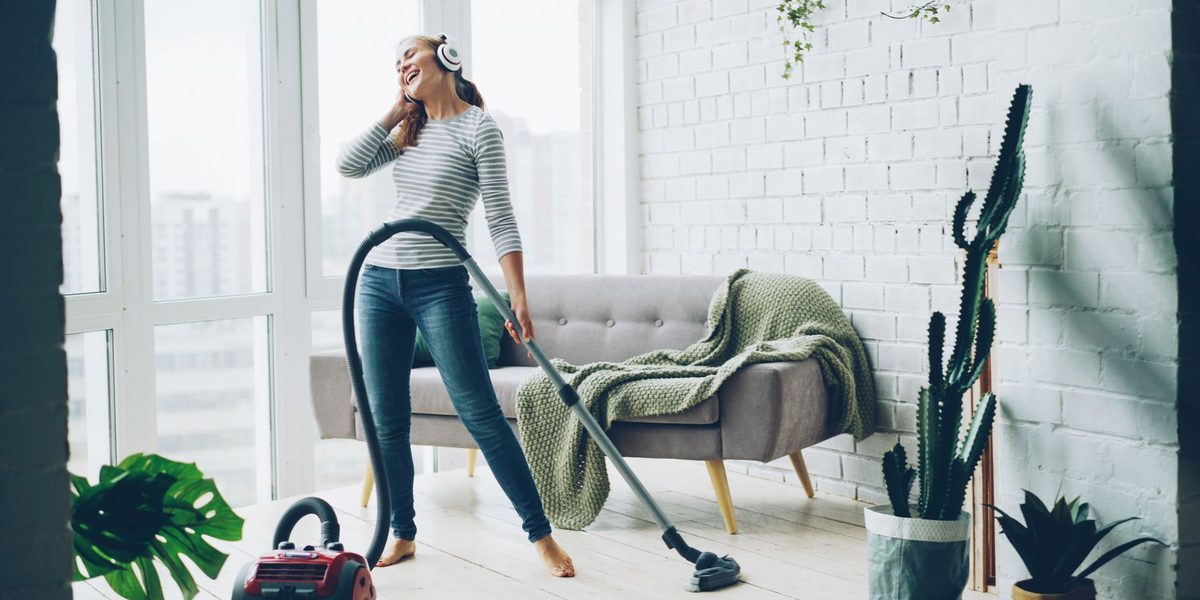
Somewhere along the line, we mentally separated movement into two boxes: exercise, which counts, and everything else, which does not. It is a strange split, because your body keeps no such ledger and makes no such distinction. Muscles worked while scrubbing a bathtub are worked; a heart rate raised hauling groceries upstairs is raised. Housework, yard work, and errands are movement — often surprisingly good movement — and reframing them that way turns obligations you already perform into a quiet fitness routine that requires no extra hour in your day. Here is how to squeeze genuine physical benefit out of the chores you were going to do anyway, plus small upgrades that multiply the effect. As with any increase in activity, ease in gradually, and check with a doctor first if you have health conditions or have been inactive for a long while.
Change the Frame, Change the Chore
The first shift costs nothing: stop treating chores as dead time standing between you and rest, and start treating them as your daily movement quota arriving in disguise. This is more than a pep talk. When you regard vacuuming as movement, you naturally do it differently — more energetically, with better posture, and with a kind of permission to enjoy the physicality of it.
It helps to notice what each chore actually asks of your body. Scrubbing works the arms and shoulders. Carrying laundry loads the legs and core. Making beds involves squatting, reaching, and pulling. Gardening is squatting, lifting, digging, and carrying — a full session by any honest measure. A morning of housework can leave you as pleasantly tired as a trip to the gym, and the reframe lets you take credit for it instead of feeling you did nothing today.
Clean Like You Mean It
Ordinary cleaning becomes real movement the moment you add vigor and intention. Put on energetic music — the tempo genuinely changes how you move — and let the playlist set your pace. Vacuum with long, full lunging strides instead of small shuffles. Scrub in wide, deliberate circles and switch arms halfway to balance the effort. Wash windows with big reaching strokes that stretch the shoulders and sides.
Add small technique upgrades borrowed from the gym: squat properly to pick things off the floor instead of bending at the waist — every dropped sock becomes a free repetition. Carry the laundry basket in two smaller loads to double the stair trips. Tidy a multi-story house one item at a time rather than batching everything into a single efficient trip; inefficiency, for once, is the whole point. Twenty minutes of this kind of housekeeping leaves the house cleaner and you warmer, looser, and further along your day's movement than most desk hours could dream of.
Let the Yard Be Your Gym
Outdoor chores are the heavyweights of household movement. Gardening in particular is a complete session hiding in plain sight: digging works the legs and back, weeding involves endless squatting and reaching, hauling watering cans builds grip and shoulder strength, and pushing a wheelbarrow is loaded carrying at its finest. Raking leaves and sweeping paths add rhythmic, sustained effort that gets the heart going and the arms pleasantly working.
Approach yard work the way you would any workout: warm into it with lighter tasks, alternate heavy and easy jobs, drink water, and stop before your back files a formal complaint. Lift with your legs, keep loads close to your body, and split big loads into two trips. Seasonal chores — spring planting, summer mowing, autumn raking — offer a natural training calendar spread across the year. Many gardeners quietly get more consistent movement than many gym members, and they have tomatoes to show for it.
Upgrade Your Errands
Errands offer a second rich seam of everyday movement, mostly through small choices about distance and carrying. Consider adopting a few of these standing rules:
- Park far on purpose — the far corner of every lot adds walking to every single stop.
- Carry a basket, not a cart — for small shops, a filled basket is a satisfying arm and core workout.
- Walk the short trips — any errand under fifteen minutes on foot becomes a stroll with a purpose.
- Take the stairs — make elevators the exception for three floors or fewer.
- Carry groceries in balanced loads — a bag in each hand, shoulders back, like the farmer's carry it secretly is.
Individually these choices are almost invisible; adopted as defaults, they add up to a meaningful daily dose of walking, carrying, and climbing — the exact movements bodies are built for and modern convenience has quietly removed.
Sprinkle in Bonus Moves
Once chores are reframed as movement, you can garnish them with tiny extras. Waiting for the microwave, the kettle, or the washing machine's final spin? That is a natural interval for calf raises, counter push-ups, or a few squats. Folding laundry can happen standing, with a stretch between shirts. Cooking involves plenty of idle simmering minutes that happily host some gentle side bends or balance practice on one foot.
Stairs deserve special affection: an extra trip or two, taken on purpose while tidying, is one of the best free exercises in any home. Some people enjoy making a light game of it — a set of squats each time the dishwasher gets emptied, or a full lap of the house whenever the bins go out. The extras should feel playful, not punishing; the moment they become a burden, shrink them. Their real job is keeping you in the habit of noticing that movement opportunities are everywhere, hiding inside the most ordinary minutes of the day, from the kettle's slow boil to the last trip up the stairs before bed.
Track It Kindly and Build the Week
You do not need to log chores in a fitness app to benefit, but a little friendly accounting keeps motivation warm. A step counter reveals the honest truth that a laundry-and-cleaning morning can rival a formal walk. Others prefer time-based awareness: noticing that Saturday held two hours of yard work reframes the weekend as active, not lost. Choose whatever accounting makes you feel encouraged rather than audited, and let the numbers confirm what your body already suspects: active days feel different, and better.
Zooming out, household movement pairs beautifully with modest intentional exercise rather than replacing it entirely. A reasonable week might lean on chores and errands for daily movement, plus a few dedicated walks or a stretching routine for balance. Listen to your body as loads increase — muscles pleasantly tired is the goal, joints complaining is a signal to adjust technique or volume. And if pain persists or you are unsure what level of activity suits you, a doctor or physical therapist can help calibrate; that is a far better plan than either pushing through or giving up.
Final Thoughts
The healthiest movement plan is often the one already written into your week — the vacuuming, the groceries, the garden, the stairs — waiting only to be claimed with a bit of vigor and intention. Pick two upgrades from this list and apply them to this week's chores: park far, carry the basket, squat for the socks, rake like it counts. The house gets cleaner, the errands get done, and somewhere along the way, without a single gym fee, you become a person who moves all day. That is not a consolation prize; that is the original design, and reclaiming it may be the easiest fitness decision you ever make.