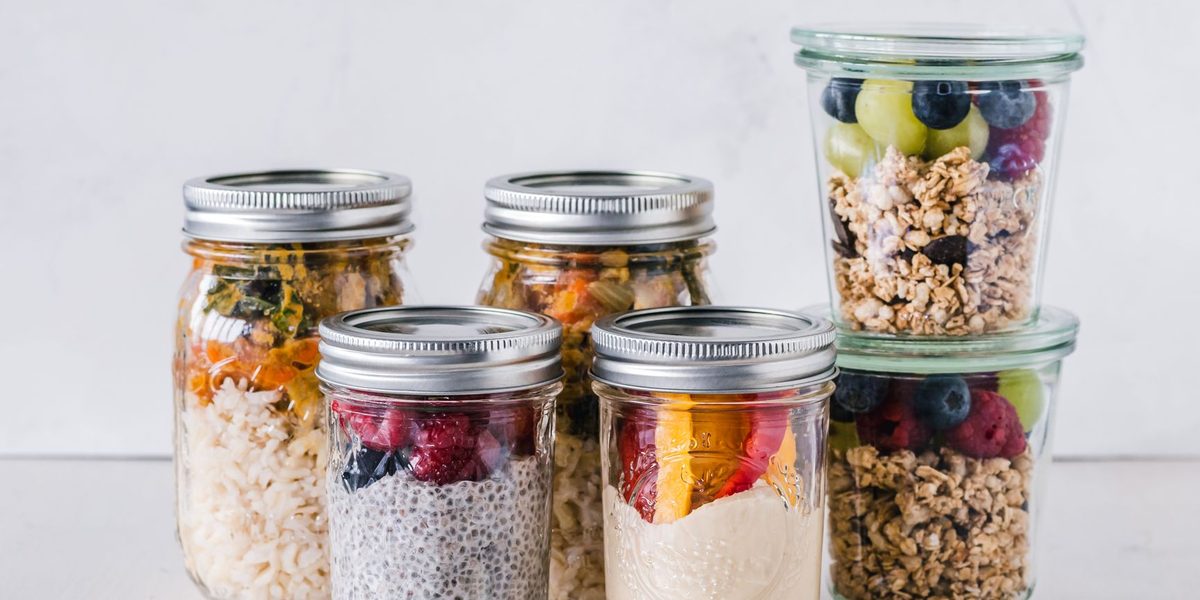
If packing lunch has started to feel like an assembly line of bread, filling, bread, you are not alone. The sandwich is a classic for a reason, but it is far from the only thing that travels well in a box. With a little imagination, the same ten minutes you spend building sandwiches can produce lunches that feel like small gifts to open at midday. The ideas below work for school lunchboxes and office desks alike, and most of them start with ingredients you already keep around. Think of this as a menu of starting points rather than a set of rules, and mix pieces from different sections until you land on combinations your household actually looks forward to.
Bento-Style Boxes Built From Little Portions
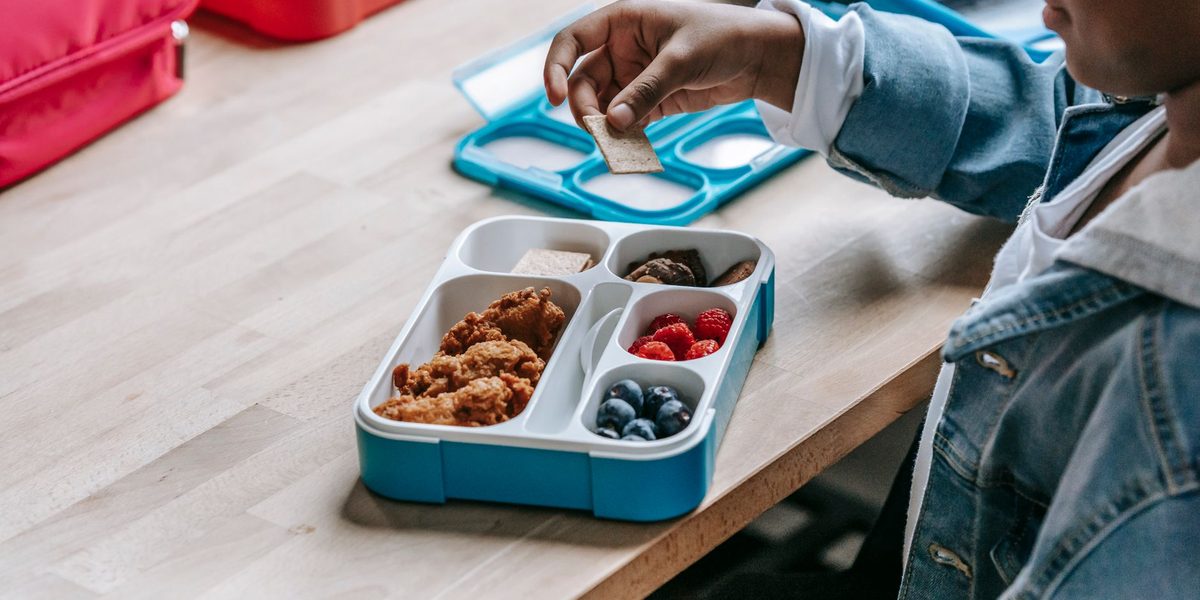
The bento approach flips the whole idea of lunch. Instead of one main item, you pack four to six small portions in a divided container, and suddenly variety does the work that novelty used to do. A simple formula keeps it easy: one protein, one grain or starch, one fruit, one vegetable, and one small treat or surprise. That might look like folded deli slices rolled into cylinders, a scoop of seasoned rice, melon cubes, cucumber coins, and a couple of chocolate-covered pretzels tucked in the corner.
The beauty of the format is that nothing has to be fancy on its own. Leftover roasted chicken becomes bite-sized pieces on picks. A hard-boiled egg gets halved and dusted with a pinch of seasoning. Even plain crackers feel more interesting when they are stacked in their own little compartment next to cheese cut into triangles. Kids tend to eat more when food is small and separated, and adults appreciate that a bento box feels closer to a curated plate than a rushed brown-bag meal.
Wraps, Roll-Ups, and Pinwheels
When you do want something bread-adjacent, tortillas and flatbreads open up a world the sliced loaf cannot reach. A wrap holds saucier, more generously seasoned fillings without going soggy the way sandwich bread does, and it slices into pinwheels that look far more festive than the effort suggests. Spread a tortilla edge to edge with something creamy so it acts as glue, layer thin fillings, roll tightly, and slice into rounds.
- Classic deli style: a creamy spread, sliced turkey or ham, cheese, and baby spinach rolled snug and sliced thick.
- Veggie rainbow: hummus, shredded carrot, thin cucumber ribbons, red pepper strips, and a handful of greens.
- Pizza-inspired: a thin layer of tomato spread, shredded mozzarella, and chopped olives or mushrooms, rolled and chilled so the slices hold.
- Sweet version: nut or seed butter with thin apple slices or mashed banana for a dessert-like roll that still counts as lunch.
Pinwheels also freeze surprisingly well in many combinations, which means a weekend batch can quietly supply half a week of lunches.
Snack-Style Lunches That Feel Like a Treat
Some days the most exciting lunch is one with no main dish at all. A snack-style lunch is essentially a grazing plate in a box: crackers, cheese cubes or wedges, sliced fruit, a handful of nuts or seeds, some raw vegetables, and a dip. It borrows the spirit of a snack board without the board, and it is often the fastest lunch on this list to assemble because nothing needs cooking.
The trick is balance. Aim for at least one protein-rich element, one crunchy element, and one fresh element so the box eats like a meal rather than a pile of nibbles. A small container of yogurt, a boiled egg, or a scoop of chickpea dip anchors everything else. For adults, this style shines with slightly more grown-up pieces: marinated olives, a wedge of sharper cheese, whole-grain crisps, and a few squares of dark chocolate to finish.
Warm Lunches From a Thermos
A vacuum-insulated food jar quietly doubles your lunch repertoire, because anything spoonable becomes packable. Soups, stews, chili, pasta with sauce, fried rice, and curries all hold their heat for hours if you preheat the jar with boiling water first, empty it, and then fill it with piping-hot food. Suddenly last night's dinner is today's best lunch with zero extra cooking.
Pair the warm main with cool sides in the rest of the box: crunchy vegetables, fruit, or a small roll for dipping. Kids who reject cold sandwiches often light up at warm noodles, and office workers get to skip the crowded microwave line entirely. If mornings are tight, portion the food the night before so all you do is reheat and pour.
Themed Lunchbox Days
Themes turn packing lunch from a chore into a tiny creative project, and they are especially good for breaking a picky-eating rut. Pick one day a week and give it a loose identity that shapes what goes in the box. A taco-inspired day might mean seasoned meat or beans, a small stack of tortillas, shredded cheese, and toppings packed separately for build-your-own fun at the table. A breakfast-for-lunch day could hold mini pancakes, fruit, and yogurt for dipping.
Other easy themes include a dippers day where everything in the box gets dunked into something, a rainbow day where each item is a different color, and an around-the-table day where the box loosely nods to flavors from a cuisine your family loves. The theme does not need to be elaborate or announced with fanfare. Even a quiet pattern, like always including one new food next to three familiar ones, gives lunch a sense of occasion that plain repetition never will.
Grown-Up Boxes for Desk Lunches
Adults deserve lunchbox creativity too, and the desk lunch has its own logic: it should survive a morning in a shared fridge, eat well at room temperature or after a quick reheat, and not leave you sleepy at your keyboard. Grain bowls are the workhorse here. Cook a pot of rice, quinoa, or couscous early in the week, then vary the toppings daily: roasted vegetables and a lemony dressing one day, beans and salsa the next, leftover grilled chicken and a sesame drizzle after that.
Salads travel best when built in layers with the dressing at the bottom and sturdy ingredients above it, so nothing wilts before noon. And do not overlook the simple pleasure of a composed cold plate: good bread, cheese, fruit, and something briny, which is essentially a compact picnic for one at your desk. If you love melty sandwiches, a panini-style press at home can turn lunch prep into a mini grilled cheese moment, though that idea deserves a whole exploration of its own.
Small Touches That Make Any Box Better
Whatever style you pack, a few small habits raise the whole experience. Keep wet and dry ingredients separate until eating time so crunchy things stay crunchy. Cut fruit in ways that resist browning, like leaving apple slices held together with a rubber band around the whole fruit, or tossing them with a splash of citrus. Tuck in one tiny surprise now and then, whether that is a note, a sticker, or two squares of chocolate, because the emotional side of lunch matters more than we admit.
It also helps to build a rotation rather than reinventing lunch daily. List eight or ten box formulas your household enjoys, then cycle through them so no single idea wears out its welcome. Variety within a structure is the sweet spot: enough novelty to stay interesting, enough repetition to stay fast.
Final Thoughts
The lunchbox is one of the most forgiving canvases in the kitchen. Nothing has to be perfect, nearly everything can be made ahead, and small portions mean small risks when you experiment. Start with one idea from this list, swap it into your usual routine this week, and let the reactions guide what you try next. Once you stop thinking of lunch as a sandwich with sides and start thinking of it as a small box of good things, the possibilities multiply on their own.