You do not need a week off and a suitcase to give your family an adventure — you need a Saturday, a loose plan, and the decision to treat the world within two hours of your front door as territory worth exploring. Day trips are vacation concentrate: all the novelty and togetherness of travel with none of the packing, and cheap enough to repeat monthly. The families who day-trip well treat it as a repeatable tradition with its own rituals, not a rare production. Here is how to build that habit, along with trip ideas for every kind of family and season.
Start with a Two-Hour Radius Map
Gather the family around a map — paper is more fun, and kids can mark it up — and draw a circle representing about two hours of driving. Inside that circle lives more than most families ever visit: state parks, small towns, lakes, odd museums, orchards, lighthouses or lookout towers, and at least one attraction locals would call famous and you have never seen. List everything that gets even one excited vote, no matter how unlikely the pairing of voter and destination.
That list becomes the family adventure roster. Post it somewhere visible, let each family member champion their picks, and cross destinations off with ceremony after each trip. The roster reframes weekends: instead of asking whether to go somewhere, the question becomes which one is next — a small change in wording that does surprisingly heavy lifting.
Nature Trips: Trails, Water, and Wonder
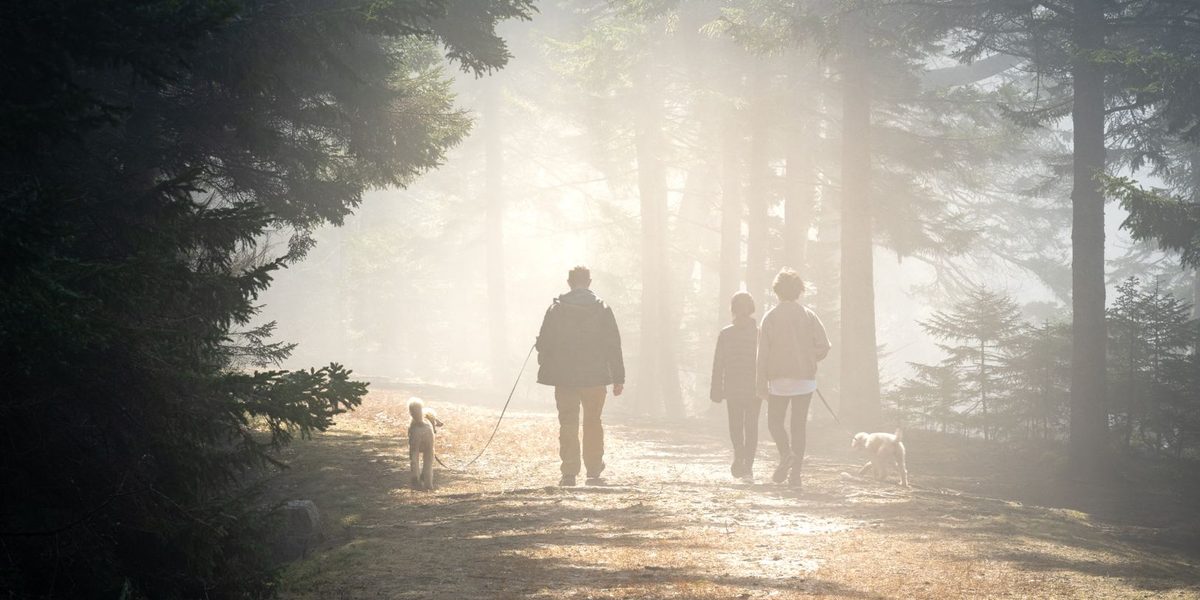
The most reliable day trips point at nature, because trails and shorelines entertain every age without a ticket booth. Pick hikes by the smallest legs present — a mile with a waterfall, creek, or summit view beats five miles of monotony — and build in official wonder stops: turning over rocks, counting mushrooms, naming cloud shapes at the overlook. A cheap magnifying glass and a field guide turn any child into an expedition scientist.
Water upgrades everything: a lake with a swimming beach, a river for stone-skipping championships, tide pools if you are lucky enough to be coastal. Pack the unbeatable trail lunch — sandwiches taste objectively better on a log — and end at whatever ice cream stand stands between the trailhead and home. That final stop is not indulgence; it is architecture. Kids remember trips as stories, and every story needs an ending scene.
Season the nature roster deliberately: a wildflower walk in spring, a swimming hole in summer, a leaf-crunching ridge trail in autumn, and a short winter hike that exists mainly to justify the thermos of cocoa waiting in the car. Repeating one favorite trail in every season is its own quiet tradition — the kids will narrate what changed since last time like returning senior researchers.
Small Towns Make Big Adventures
Pick a small town an hour away and explore it like tourists who just landed from another country. Walk the main street end to end, poke into shops that would never survive at the mall, find the town's claim to fame — a giant roadside statue, a historical marker, the birthplace of something — and interview a local for a lunch recommendation, which kids find mortifying and then unforgettable.
Give the visit a collector's structure: photograph the family with every town welcome sign you conquer, buy one postcard per trip for a growing album, or rate each town's bakery in an official family ledger with unforgiving scores. Over a few years, the postcards and rankings become a record of a family that goes places together, one Saturday at a time.
The Mystery Trip: Let Chance Drive
Some of the best day trips have no destination at all. Run a dice drive: at every major intersection, roll a die — odd turns left, even turns right — and see where twenty rolls land you before stopping wherever looks interesting. Or let each family member take turns issuing one instruction: next left, follow that interesting sign, stop at the first place selling food. The surrender to chance is the attraction; kids are delighted by adults who genuinely do not know where the car is going.
A gentler version is the mystery tour, where one parent plans in secret and the family gets only cryptic clues the night before — wear shoes you can get muddy, bring a sweatshirt. Anticipation does half the entertaining, and the reveal moment as the car pulls in is pure theater. Rotate the planner role to kids as they get older; a twelve-year-old with a budget and the power of secrecy plans a shockingly good Saturday.
Mystery trips also rescue the weekends when nobody can agree. Deciding between the lake and the museum can stall a family in the driveway, but nobody argues with dice. Keep the stakes low — a tank of gas and a picnic — and the worst case is a funny story about the time the die led you to a feed store, which, for the record, kids find fascinating.
Museums, Markets, and Made Things
Not every adventure needs trees. Small regional museums — the quirkier the better — make superb day trips precisely because they are modest: a firehouse museum, a collection of antique carousels, a one-room historical society run by a volunteer who knows everything. Give kids a mission to keep the visit active: find the oldest object in the building, the strangest, and the one you would take home.
Markets and workshops offer the same charge of seeing real things made and sold. A big farmers market with samples, a flea market where each kid gets a few dollars and total autonomy, a glassblowing studio with public demonstrations, or a pick-your-own farm where the souvenir is a bucket of berries and stained fingers. Trips where kids come home holding something they found or picked themselves punch far above their weight in memory.
Rituals That Turn Trips into Tradition
The difference between a family that took some day trips and a family with an adventure tradition is ritual. Build a few constants that happen every single time, no matter the destination:
- The departure anthem: one song, played as the car leaves the driveway, forever.
- The adventure bag: a pre-packed tote with sunscreen, snacks, cards, and a first-aid kit, so leaving takes minutes instead of an hour.
- The souvenir rule: one small collected item per trip — a pressed penny, a postcard, a pebble — kept in a single jar or album.
- The highlight round: on the drive home, everyone names their best moment, worst moment, and funniest moment.
- The trip log: one line per trip in a notebook that lives in the glovebox, written by a rotating scribe.
These rituals cost nothing, but they are what kids will reproduce with their own families someday — the anthem most of all.
Final Thoughts
Adventure is mostly a decision. The waterfall, the odd little museum, and the town with the giant fiberglass rooster have been sitting within two hours of your house all along, waiting for a family to declare a Saturday and come see them. Draw the circle on the map this week, let everyone vote, gas up the adventure bag, and go — then keep going, once a month, until the roster is full of crossed-off victories. Years from now the trips will blur together beautifully, but the feeling will remain sharp: we were a family that went.