Grain bowls might be the friendliest format in all of home cooking. There is no crust to perfect, no sauce to time just right, and no single correct version of anything — just a warm, satisfying base topped with whatever combination sounds good tonight. Better yet, bowls are built for busy weeks: prep a few elements once, and you can assemble a different dinner every evening without ever really cooking again. If you have only ever thrown leftovers over rice and called it a bowl, these ideas will show you how much more fun the format can be.
Learn the Four-Part Formula First
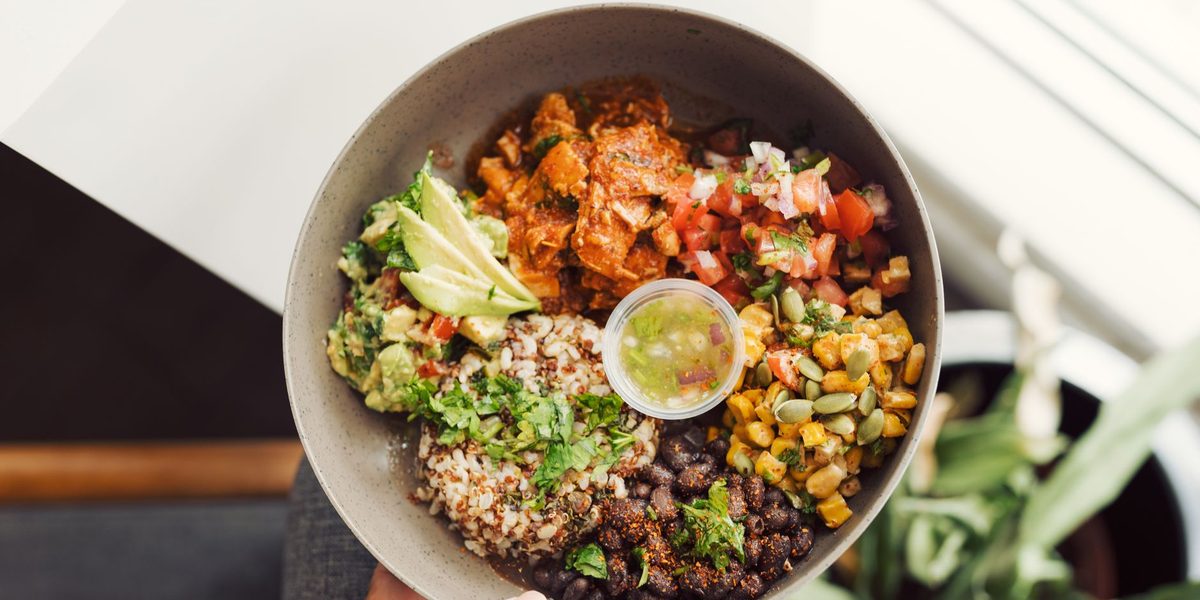
Every memorable grain bowl follows the same simple architecture: base + protein + vegetables + sauce. The base is your foundation of cooked grains. The protein gives the bowl staying power — anything from roasted chicken to crispy chickpeas to a soft-cooked egg. Vegetables bring color, freshness, and volume, ideally with a mix of something roasted and something raw. And the sauce is the conductor, pulling all those separate elements into a single, cohesive meal.
Once you internalize the formula, you stop needing recipes entirely. Open the fridge, pick one item from each column, and dinner designs itself. The formula is also a gentle guide for what to prep: if you notice you have three proteins but no sauces, you know exactly what to make next.
Give Your Base Some Personality
Plain white rice is a perfectly good starting point, but the base is an easy place to add interest before a single topping lands. Try nutty brown rice, chewy barley-style grains, fluffy couscous, or a mix of two grains cooked separately and tossed together for varied texture. You can also season the base itself: a squeeze of lime and a handful of chopped herbs folded into warm grains, a spoonful of pesto-style sauce stirred through, or grains toasted briefly in the pot before simmering for a deeper flavor.
For a lighter direction, swap half the grains for shredded greens or riced cauliflower so the bowl feels fresher. And do not overlook temperature — a warm base under cool, crisp toppings is one of the quiet pleasures of the format. If you cook grains in broth instead of water, or finish them with a small pat of butter or drizzle of olive oil, even the simplest bowl starts from a place of real flavor rather than blank filler.
Take a Trip: Mediterranean and Teriyaki-Style Themes
Themes are the fastest way to keep a week of bowls from blurring together. A Mediterranean-inspired bowl might layer herbed grains with lemony chicken or chickpeas, cucumbers, tomatoes, olives, red onion, and a creamy garlic-yogurt sauce, with crumbled salty cheese on top if you have it. Everything is bright, briny, and fresh — perfect when you want dinner to feel like a vacation.
A teriyaki-style bowl heads in the opposite direction: sticky rice, a savory-sweet glazed protein such as salmon, chicken, or seared tofu, and quickly cooked vegetables like broccoli, carrots, and snap peas. Finish with sliced green onions and a sprinkle of sesame seeds, and you have a takeout-night feeling without the wait. The beautiful part is that both themes can draw from the same prepped grains — only the sauce and seasonings change.
Stay Cozy: Harvest and Tex-Mex Themes
When the weather turns cool or you are craving comfort, a harvest bowl delivers. Think roasted sweet potatoes, butternut squash, or beets over warm grains, with shredded roast chicken or spiced chickpeas, a handful of hearty greens, dried cranberries, and toasted pecans, all tied together with a maple-mustard style dressing. It tastes like autumn in a bowl no matter the season.
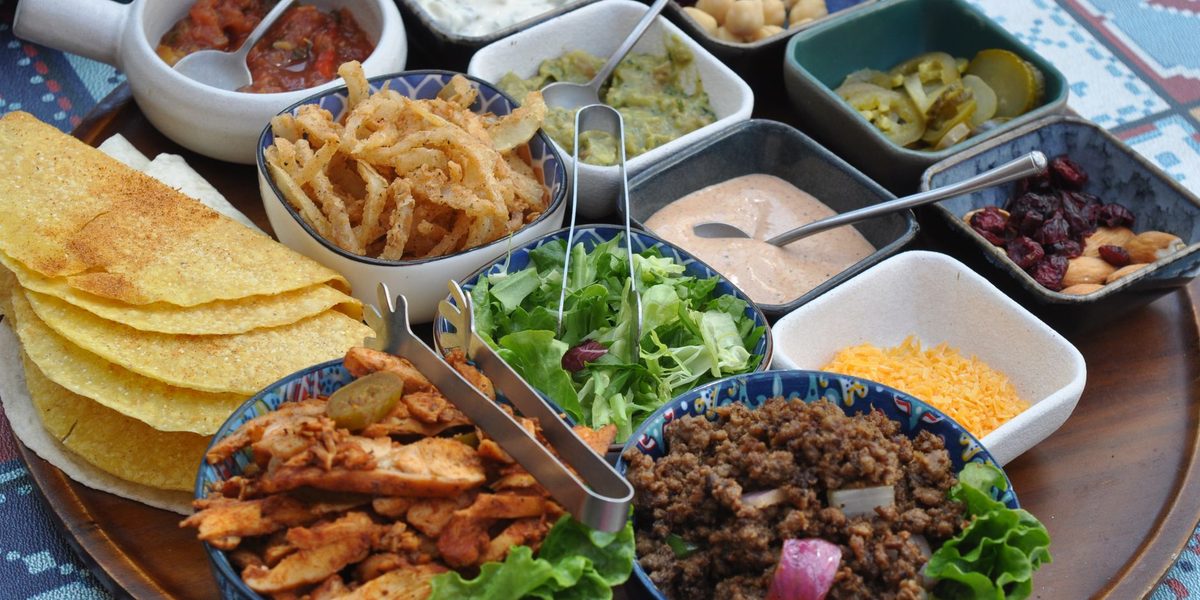
A Tex-Mex bowl is the crowd-pleaser of the family: seasoned rice, black beans or spiced ground meat, charred corn, peppers, and tomatoes, topped with avocado, a dollop of sour cream, and a smoky-spicy sauce. Crushed tortilla chips over the top add the crunch of a taco without the structural collapse. Kids can build their own from the same components, which turns dinner into an activity instead of a negotiation. If your household loves this theme, keep a jar of taco-style seasoning mixed and ready so any protein can join the party on short notice.
Never Skip the Crunch: Textures and Toppings
The difference between a decent bowl and a great one is almost always texture. A bowl of soft grains, soft protein, and soft vegetables tastes fine but feels monotonous by the third bite. Keep a small arsenal of finishing touches on hand and use at least one or two on every bowl.
- Crunchy: toasted nuts and seeds, crispy chickpeas, crushed crackers or chips, fried shallot-style toppings, croutons.
- Creamy: avocado, a soft egg, hummus, a spoonful of yogurt or ricotta-style cheese.
- Fresh: chopped herbs, quick-pickled onions, shredded raw cabbage or carrots, citrus segments.
- Punchy: olives, pickles, hot sauce, a sprinkle of sharp cheese, chili crisp-style condiments.
These extras take seconds to add but transform every mouthful. Quick-pickled onions in particular are a bowl-builder's best friend: sliced red onion softened in vinegar with a pinch of salt and sugar keeps for days and wakes up any combination.
Let the Sauce Do the Steering
If you prep just one category generously, make it sauces. The same grains, roasted vegetables, and chicken become four different dinners depending on whether you finish them with a lemony herb drizzle, a peanut-style sauce, a smoky chipotle-mayo direction, or a tangy yogurt-garlic blend. Aim for two or three sauces per week with genuinely different personalities — one creamy, one bright, one bold.
A helpful trick is to taste your sauce with a spoonful of the plain base before committing to a whole bowl. If sauce plus grain tastes good on its own, the finished bowl will almost certainly work. And when a bowl tastes flat, the fix is nearly always more sauce, more acid, or more salt — not more toppings.
Set Up a Bowl Bar for the Week
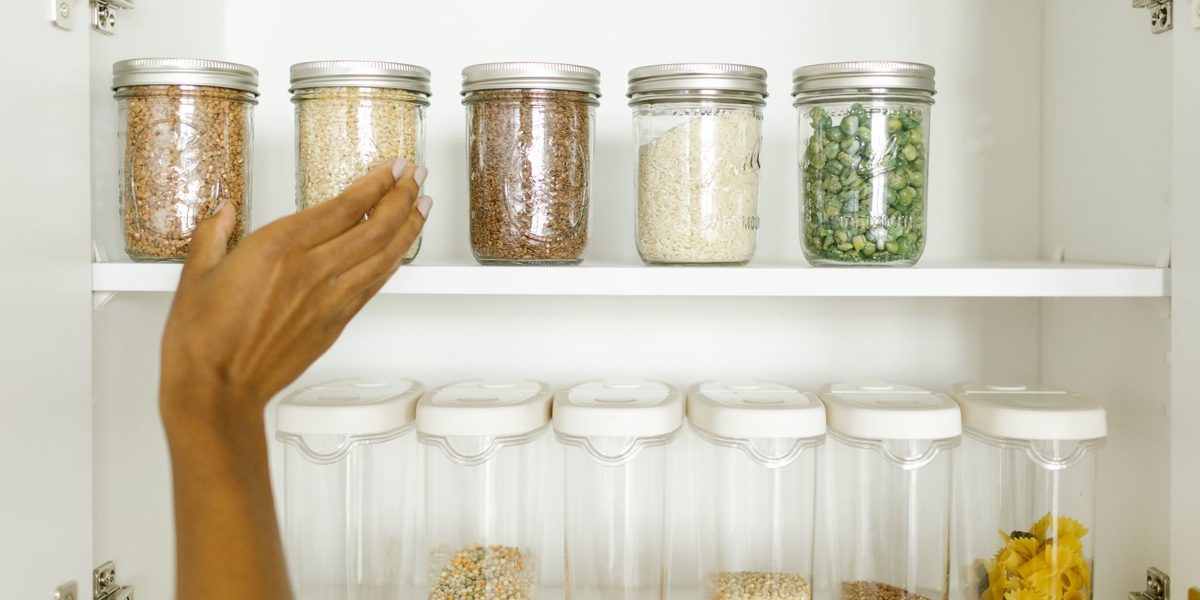
To make mix-and-match dinners genuinely effortless, spend a little time turning your fridge into a bowl bar. Cook one or two grains and store them in clear containers at eye level. Roast a big tray of mixed vegetables. Prepare one or two proteins with neutral seasoning so they can swing between themes. Whisk a couple of sauces into jars, and stash your crunchy toppings together in the pantry.
Come dinnertime, assembly takes five minutes: warm the grains and protein, pile on vegetables, drizzle sauce, finish with crunch. Everyone can build to their own taste, which means the picky eater, the spice lover, and the person avoiding onions all eat happily from the same prep. It is the rare dinner system that gets easier the more people you feed.
A bowl bar also happens to be the best leftover-rescue program ever invented. That half cup of roasted squash, the last few spoonfuls of beans, the lonely chicken thigh from two nights ago — none of them are enough for a meal alone, but all of them are perfect bowl toppings. Keep a designated shelf for odds and ends and let bowls be the night those bits and pieces get their second act.
Final Thoughts
Grain bowls reward curiosity more than precision, which makes them the perfect canvas for weeknight creativity. Start with the four-part formula, borrow a theme when you want direction, and let texture and sauce carry the experience. After a week or two of mixing and matching, you will develop personal signature combinations — and the question of what to make for dinner will start answering itself.