Some of the most enjoyable beauty moments don’t come from a store shelf — they come from your own kitchen. Mixing up a simple face mask with pantry staples is a small ritual that turns an ordinary evening into a mini spa session, and it invites you to get creative with what you already have. The ideas below are built around gentle, familiar ingredients that have been used in home beauty routines for generations. Think of them as starting points you can adjust, combine, and make your own. As with anything new you put on your skin, do a quick patch test on your inner arm first, avoid anything you’re allergic to, and check with a dermatologist if you have sensitive skin or an ongoing skin concern.
Why Kitchen Masks Are Worth Trying
There’s something satisfying about whipping up a treatment in the time it takes to boil the kettle. Homemade masks cost pennies, produce almost no packaging waste, and let you control exactly what touches your face. They also encourage a slower pace: five or ten minutes of sitting still while a mask does its thing is a built-in pause in a busy day.
The trick is to keep things simple and gentle. Skip harsh ideas you may have seen online — no lemon juice on bare skin, no baking soda scrubs, no cinnamon that can sting. The best kitchen masks lean on soft, soothing ingredients: oats, honey, yogurt, banana, avocado, cucumber. Mild is the whole point.
Oat-Based Masks for a Calming Reset
Finely ground oats are the classic base for a reason. Blitz a few tablespoons of plain rolled oats in a blender until powdery, then stir in warm water until you get a soft paste. On their own, oats make a comforting mask for days when your skin feels tight or fussy. From there, you can riff endlessly.
- Oats and honey: add a teaspoon of honey for a stickier, more cushiony mask that feels like a warm hug.
- Oats and yogurt: swap the water for plain yogurt for a creamier texture and a cool, refreshing feel.
- Oats and mashed banana: a soft, sweet-smelling blend that spreads easily and rinses off without fuss.
- Oats and chamomile tea: brew a cup, let it cool, and use it as your mixing liquid for an extra-soothing vibe.
Leave any oat mask on for about ten minutes, then rinse with lukewarm water while massaging gently — the fine oat texture doubles as the mildest possible polish on the way off.
Honey Ideas for a Dewy Feel
Honey is the simplest one-ingredient mask there is. Smooth a thin layer of raw or regular honey over clean, slightly damp skin, relax for ten to fifteen minutes, and rinse. It feels sticky at first, then oddly luxurious, and skin tends to feel soft and comfortable afterward.
To build on the basic version, try stirring honey into mashed avocado for a richer, more nourishing blend, or mixing it with plain yogurt for something lighter and more refreshing. A honey and finely ground oat combination lands somewhere in the middle — cozy, gentle, and perfect for a slow Sunday. If you keep only one mask idea from this whole list, let it be the plain honey one: it’s the least effort for the most pleasant payoff.
Creamy Yogurt and Avocado Blends
Plain, unsweetened yogurt makes a cooling mask base that feels wonderful straight from the fridge. Spread a thin layer on its own for a quick refresh, or use it as the liquid in almost any combination. Avocado, meanwhile, brings the richness — mash a quarter of a very ripe one until completely smooth and you have a buttery base that feels like a luxury cream.
Some pairings to play with: yogurt with a teaspoon of honey for a soft, balanced mask; avocado with a spoonful of yogurt for a whipped, mousse-like texture; or avocado with a drizzle of olive oil for days when your skin feels especially dry. Keep layers thin, keep sessions to about ten or fifteen minutes, and rinse thoroughly with lukewarm water so no residue lingers.
Cooling Cucumber and Tea Ideas
Not every mask needs to be a paste. Some of the nicest at-home treatments are more like compresses. Chilled cucumber slices over the eyes are the famous example, but you can go further: grate half a cucumber, press the pulp gently through a sieve, and pat the cool pulp over your face for a few minutes as a refreshing mini-treatment on a warm day.
Cooled tea works the same way. Brew green tea or chamomile, let it cool completely (pop it in the fridge if you like), soak a clean soft cloth, wring it out, and lay it over your face for five minutes. It’s less about dramatic results and more about the ritual — a cool, quiet moment that makes you feel put back together. These compress-style ideas are also lovely as a finishing step after an oat or honey mask.
Make It a Ritual, Not a Chore
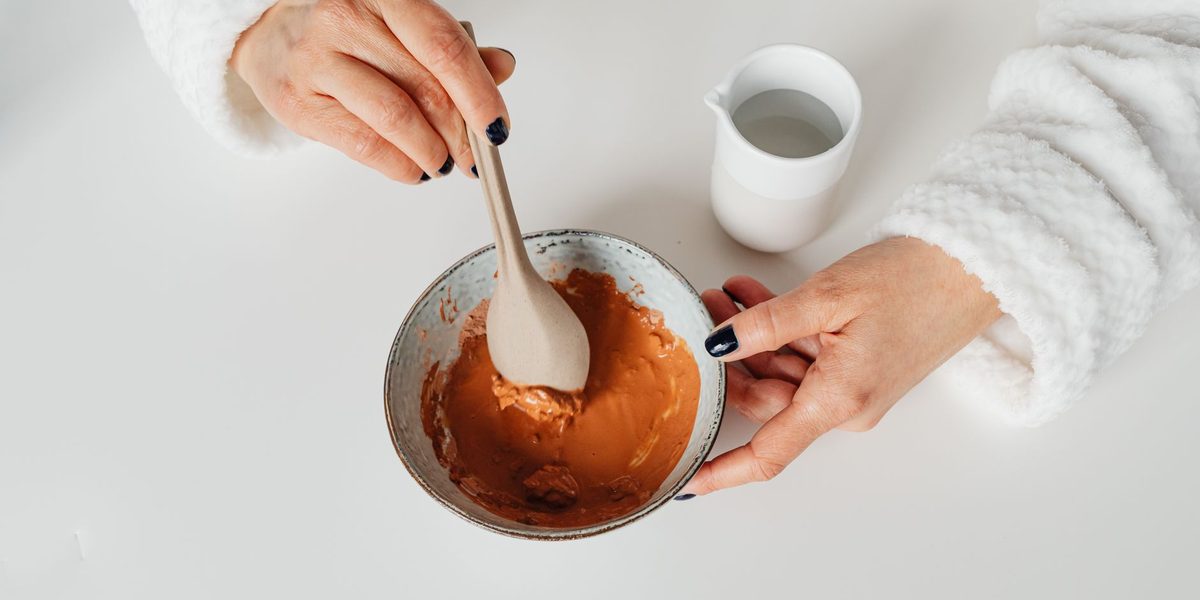
The secret to enjoying homemade masks is treating them as a small event. Tie your hair back, put on some music, and mix your mask in a pretty little bowl instead of a plastic container. Apply it with clean fingertips or a soft brush, then actually rest — lie down, close your eyes, breathe. Ten minutes of stillness is part of the treatment.
Consistency beats intensity here. A gentle mask once or twice a week as part of a wind-down routine will always feel better than an aggressive session every now and then. And because these recipes are made fresh, mix only what you’ll use that day; homemade blends don’t keep, so small batches are the way to go.
Mix-In Ideas to Customize Any Base
Once you have a favorite base — oats, honey, yogurt, or avocado — small add-ins let you tailor each session to your mood. A teaspoon of finely ground almonds folded into an oat mask gives it a richer, more indulgent texture. A spoonful of mashed papaya or pumpkin purée stirred into yogurt makes a silky seasonal twist. A few drops of rosewater turn any blend into something that smells like a fancy spa treatment, and a half teaspoon of olive or sweet almond oil adds slip and comfort on dry-skin days.
Keep add-ins modest — a teaspoon here, a few drops there — so the mask stays gentle and easy to rinse. It also helps to jot down what you mixed and how it felt afterward in a notes app or a little beauty journal. After a few sessions you’ll have your own tested recipe book of house blends, which is half the fun of making masks yourself in the first place.
Simple Safety Sense
Home beauty should always err on the side of caution. A few common-sense habits keep kitchen masking fun and trouble-free.
- Patch test first: dab a little of any new mixture on your inner arm and wait a day before using it on your face.
- Skip known allergens: if you can’t eat it safely, don’t wear it.
- Avoid harsh ingredients: citrus juice, baking soda, undiluted vinegar, and spicy spices don’t belong on your face.
- Keep it fresh: mix small batches, use clean utensils, and toss leftovers.
- Listen to your skin: any stinging or itching means rinse off right away, and see a dermatologist for persistent concerns.
Final Thoughts
Kitchen face masks are less about transformation and more about taking care of yourself with what’s on hand. Start with one simple idea — plain honey, or oats and yogurt — and let it become a small weekly ritual. Once you’re comfortable, mix and match bases and add-ins until you land on a house blend that feels like yours. Gentle ingredients, small batches, and a few quiet minutes: that’s the whole recipe for a lovely at-home glow.