When your hair feels dry, dull, or just a bit tired, the answer doesn’t have to come in a fancy jar. Some of the most pampering hair treatments can be blended in your kitchen in five minutes, using ingredients you already trust. A weekly homemade mask is a lovely low-cost ritual: part hair care, part enforced relaxation, since you have to sit still while it works. The ideas below cover different hair moods — thirsty lengths, frazzled ends, limp roots — and every one of them is built from gentle, food-grade staples. As always with home treatments, keep mixtures mild, skip anything you’re allergic to, and patch test new ingredients on a small area first.
Know Your Base: Oils, Fruits, and Creamy Staples
Almost every DIY hair mask starts from one of three bases. Oils — coconut, olive, or sweet almond — are the richest option and best for dry lengths and ends. Creamy staples like plain yogurt bring a softer, lighter feel that suits finer hair. Mashed fruits, especially very ripe banana and avocado, land in between: nourishing but rinseable, with a texture that spreads beautifully through damp hair.
Choosing a base is mostly about your hair’s thickness and thirst. Thick, curly, or very dry hair drinks up oil-heavy blends. Fine or easily weighed-down hair does better with yogurt- or banana-based masks applied mainly to the lengths, keeping roots free. When in doubt, start light — you can always go richer next week.
The Classic Coconut Oil Treatment, Upgraded
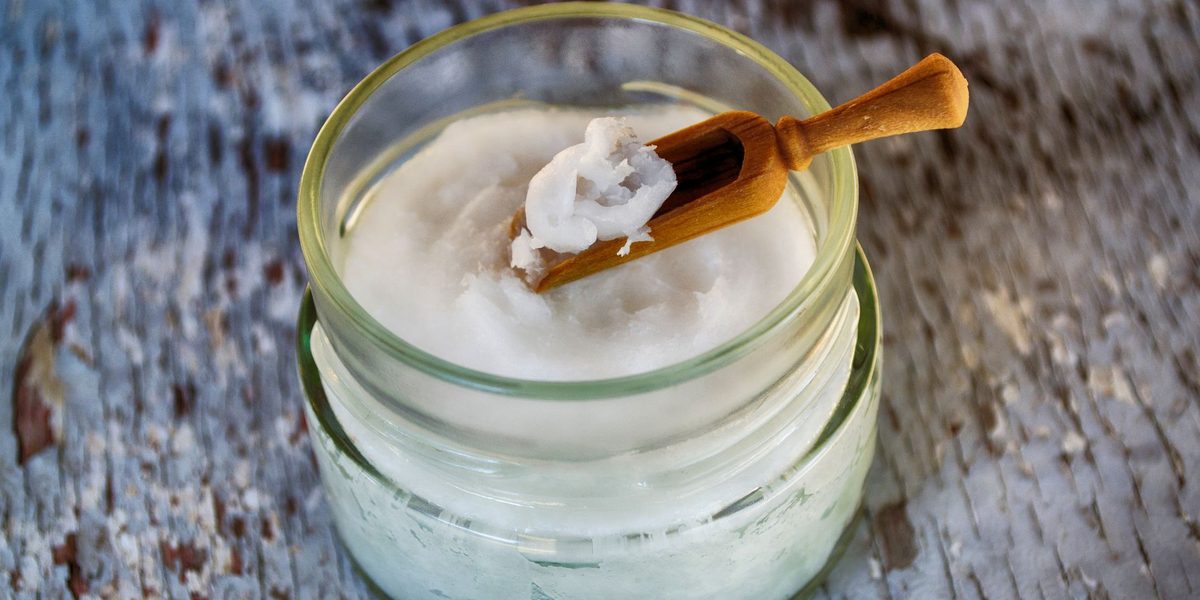
The simplest mask in the world is a spoonful of coconut oil warmed between your palms and smoothed through the bottom two-thirds of your hair. Twist it into a bun, leave it for half an hour (or longer if you’re lounging anyway), then shampoo twice to rinse it clean. It’s a classic for a reason: hair tends to feel noticeably silkier after.
To make it feel more like a salon treatment, try these variations: add a teaspoon of honey for extra softness; blend the oil with half a mashed banana for a thicker, more cushioned mask; or stir in a few drops of vanilla extract purely because it smells wonderful. Warm a damp towel in the dryer and wrap it around your bun while the mask sits — gentle warmth makes the whole experience cozier and helps the mask spread evenly.
Banana and Honey for Soft, Happy Lengths
Very ripe banana blended with a spoonful of honey makes a sweet, pudding-like mask that leaves lengths feeling soft and looking glossy. The key word is blended — mash alone and you’ll be picking banana bits out of your hair for days. Use a blender or immersion blender until the mixture is completely smooth, then work it through damp hair from mid-length to ends.
Leave it on for fifteen to twenty minutes under a shower cap, then rinse thoroughly with lukewarm water before shampooing lightly. If your hair runs dry, add a teaspoon of olive oil to the blend; if it runs fine and flat, keep the mask to your ends only. This one is a lovely Sunday-afternoon treatment before a fresh blowout or air-dry.
Avocado Blends for Deep Nourishment
Avocado is the richest fruit base of all — half a very ripe one, blended smooth, feels like a luxury deep conditioner. On its own it’s already indulgent, but it plays well with add-ins. Try these combinations, always blended until silky:
- Avocado and olive oil: the deep-drink option for very dry or curly hair, focused on lengths and ends.
- Avocado and yogurt: a lighter, whipped texture that rinses easily and suits normal hair.
- Avocado, honey, and a splash of milk: a smoothie-like mask that spreads effortlessly through thick hair.
Twenty minutes under a shower cap is plenty. Rinse patiently with lukewarm water — cool at the very end if you can bear it, which helps hair look extra glossy once dry.
Lighter Ideas for Fine or Oily Hair
If rich masks leave your hair flat, you’re not out of the game — you just need lighter tools. Plain yogurt on its own, applied to lengths for ten minutes, refreshes without heaviness. A cooled cup of strong green tea poured slowly over hair as a final rinse is even lighter, more of a toner than a mask. And aloe vera gel (the plain, unscented kind) smoothed through damp lengths gives slip and softness with virtually no weight.
The other trick for fine hair is placement. Keep every mask away from your roots and concentrate on the bottom half of your hair, where the oldest, driest strands live. Roots generally take care of themselves; it’s the ends that need the spa day.
Application Rituals That Make the Difference
How you apply a mask matters nearly as much as what’s in it. Work on damp, towel-dried hair rather than dripping wet, so the mask isn’t diluted. Divide hair into four sections and paint the mask on section by section — an old clean tint brush or just your fingers works fine — so every strand gets covered instead of just the outer layer.
Then make the waiting time pleasant: shower cap on, warm towel turban over it, tea in hand, feet up. Set a timer for fifteen to thirty minutes depending on the mask. When it’s time to rinse, be patient — rinse with lukewarm water until it runs clear, then shampoo gently (twice for oil-based masks) and follow with a light conditioner only if your hair still wants it. Rushing the rinse is the number-one reason home masks get a bad reputation.
Build a Weekly Habit That Sticks
One mask won’t change your hair’s life; a relaxed weekly habit just might. Pick a consistent slot — Sunday evening is popular for a reason — and keep the routine effortless: a note on your phone with your two favorite recipes, a shower cap that lives in the same drawer, and ingredients that overlap with your normal groceries. Rotate richer and lighter masks with the seasons: heavier oil blends when the air is dry, lighter yogurt and tea rinses when it’s humid.
Keep expectations gentle, too. Homemade masks are about softness, shine, and the ritual itself — not miracle transformations. If you have scalp concerns, significant hair changes, or irritation of any kind, skip the DIY session and check in with a dermatologist or trichologist instead.
Rinse-Out Boosters and Finishing Ideas
Beyond the mask itself, a few finishing touches stretch the results further. A final rinse of cool water after conditioning helps hair lie smooth and look glossier once dry. A cooled chamomile tea rinse adds softness and a lovely scent; a splash of diluted apple cider vinegar — one part vinegar to four or five parts water, poured through and rinsed out — leaves lengths feeling exceptionally clean and light. Use the vinegar idea only occasionally, keep it well diluted, and keep it away from your eyes.
After any treatment, swap rough towel-drying for gently pressing water out with a soft t-shirt, and detangle from the ends upward with a wide-tooth comb. If you air-dry, twist hair loosely while damp for soft bends; if you heat-style, keep the session short and the heat moderate so you don’t undo the pampering you just did. Small habits like these are what make mask night actually show up in your hair by midweek.
Final Thoughts
Softer, shinier hair can start with a banana, a spoonful of oil, and twenty quiet minutes. Choose a base that matches your hair’s weight, blend it smooth, apply it with a little ceremony, and rinse like you mean it. Within a few weekly sessions you’ll settle on a signature house blend — and hair-mask night might quietly become your favorite appointment of the week.