Eating better rarely fails for lack of information — it fails for lack of ease. Overhauling your whole diet is exhausting, which is why the most durable improvements tend to be the smallest ones: a handful of spinach stirred into the pasta sauce, a swap from white rice to brown, a piece of fruit where the second cookie used to be. Each upgrade is almost too small to notice, and that is precisely why they stick. This is a collection of little plate upgrades you can apply to meals you already make and love — no special ingredients, no strict rules, no foods declared off-limits. For personalized guidance, especially if you manage a health condition or specific dietary needs, a doctor or registered dietitian is always your best resource.
Start With the Add-One-Vegetable Rule
Forget subtracting for a moment; the friendliest upgrade is addition. Whatever you are already cooking, ask one question: what vegetable could join this? Pasta night welcomes a handful of spinach, frozen peas, or halved cherry tomatoes stirred in at the end. Scrambled eggs happily absorb peppers, mushrooms, or onions. Canned soup becomes heartier with a cup of frozen mixed vegetables simmered in. Even a frozen pizza can be topped with sliced peppers or a post-oven handful of arugula.
Frozen vegetables make this rule nearly effortless — they are prepped, they keep for months, and they cook in minutes. Keep two or three favorites in the freezer and the add-one-vegetable question always has an easy answer. Over a week, this single habit can quietly double the vegetables you eat without changing a single recipe title on your meal plan.
Let Half the Plate Lead the Way
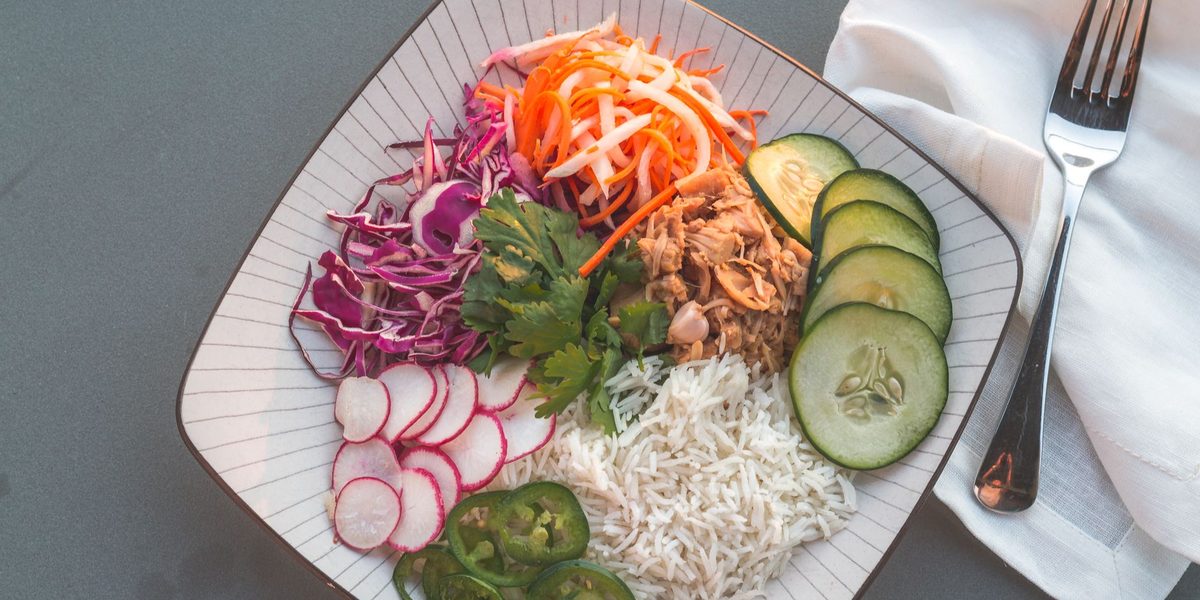
When you are plating a meal, a simple visual guide does more good than any calculation: aim for vegetables or fruit to take up roughly half the plate, with the remaining half split between a protein and a starchy side or grain. You do not need to measure anything — your eyes do all the work, and close enough is genuinely good enough.
The order of serving helps too. Plate the vegetables first, while you are hungriest and the pan is right there, and they get their fair share of the meal's real estate; leave them for last and they tend to become a garnish. If dinner is a one-bowl affair — a stir-fry, a pasta, a curry — apply the same thinking to the pot: nudge the vegetable-to-everything-else ratio upward each time you make it. Most families find the dish tastes just as good with half again as many vegetables, and nobody files a complaint.
Make Quiet Whole-Grain Swaps
Whole grains bring more fiber and a nuttier, more satisfying character to meals, and swapping them in is one of the lowest-effort upgrades there is. The trick is to go gradually so nobody, including you, feels ambushed. Good starter swaps include:
- Bread and wraps — choose whole-grain versions of the sandwich bread, pitas, and tortillas you already buy.
- Rice — try brown rice, or begin with a half-and-half blend of white and brown until the taste feels like home.
- Pasta — whole-wheat pasta has improved enormously; a sauce you love will carry it easily.
- Breakfast — oats, whole-grain cereal, or whole-grain toast instead of the more processed versions.
- New additions — grains like quinoa, barley, or bulgur make an easy base for bowls and a hearty addition to soups.
One swap per week is plenty. Within a season, the whole-grain versions simply become what your pantry contains, and the upgrade maintains itself from then on.
Give Protein a Supporting Cast
Meals anchored by a bit of protein tend to satisfy longer, which quietly discourages the afternoon vending-machine expedition. Upgrading here is less about eating more and more about spreading it thoughtfully. Add a spoonful of Greek yogurt or a scattering of nuts to breakfast. Toss a handful of chickpeas or white beans into salads, soups, and pasta sauces — they absorb whatever flavors surround them. Keep hard-boiled eggs in the fridge for instant sandwich and salad upgrades.
Beans and lentils deserve special affection: they are inexpensive, shelf-stable, and slide into an astonishing number of dishes. Half meat, half lentils in a chili or pasta sauce is a classic quiet swap that boosts fiber while stretching the grocery budget. None of this requires abandoning any food you love — it is a matter of giving your plate a stronger supporting cast so the meal holds you comfortably until the next one.
Upgrade the Extras: Sauces, Sides, and Sips
The quiet corners of a meal — what you spread, pour, and sip — offer easy wins. Swap some mayonnaise for mashed avocado or hummus on sandwiches. Try plain yogurt with herbs as a creamy dressing base. Choose tomato-based sauces a little more often than cream-based ones, or simply cut a cream sauce with extra vegetables. Roast or air-crisp potatoes at home instead of defaulting to fried sides, and season vegetables generously — olive oil, garlic, lemon, and proper salt make them something to look forward to rather than endure.
Drinks count as part of the plate too. Water or sparkling water alongside meals, instead of sugary drinks as the default, is one of the simplest nourishing upgrades a household can make. Nothing needs to be banned; sweet drinks just move from everyday habit to occasional choice, which is exactly the kind of shift that lasts.
Set Up Your Kitchen to Make It Easy
Your surroundings decide half your food choices before hunger even arrives. A fruit bowl on the counter gets eaten; fruit hidden in a drawer softens in private. Washed grapes, cut melon, or carrot sticks at eye level in the fridge disappear quickly — the same items unwashed in a bag do not. Meanwhile, treats stored in opaque containers on high shelves get eaten more intentionally and less automatically.
A little weekend prep multiplies the effect: rinse and chop a few vegetables, cook a pot of grains, boil some eggs, and future-you inherits a kitchen where the nourishing choice is also the convenient one. Keep a short mental list of five-minute assemblies — grain bowl, loaded toast, quick quesadilla with beans and peppers — for the nights when cooking feels impossible. The goal is a kitchen where good choices happen by gravity rather than by grit.
Keep the Spirit Relaxed
Plate upgrades work because they are cheerful and cumulative, not because any single one matters much on its own. Some days the vegetable is a squeeze of lemon over takeout, and that is fine. Aim for a pattern you would happily describe to a friend — most meals have something green, grains are usually whole, water is the default — rather than a scorecard. Rigid rules invite rebellion; friendly patterns invite repetition.
It also helps to notice the payoffs as they arrive: steadier energy through the afternoon, more comfortable digestion, groceries that stretch further. Those small rewards, felt rather than promised, are what turn upgrades into simply the way you eat. And if you have questions about how these patterns fit your particular health picture, bring them to a doctor or dietitian — a short conversation can tailor everything here to you.
Final Thoughts
Nourishing eating is mostly the sum of small, repeatable moves: one added vegetable, one quiet swap, one better default. Choose two upgrades from this list and apply them to meals you already cook this week. They will feel almost invisible — and a few months from now, you will look at your ordinary, delicious, noticeably more colorful plate and realize the overhaul happened on its own.