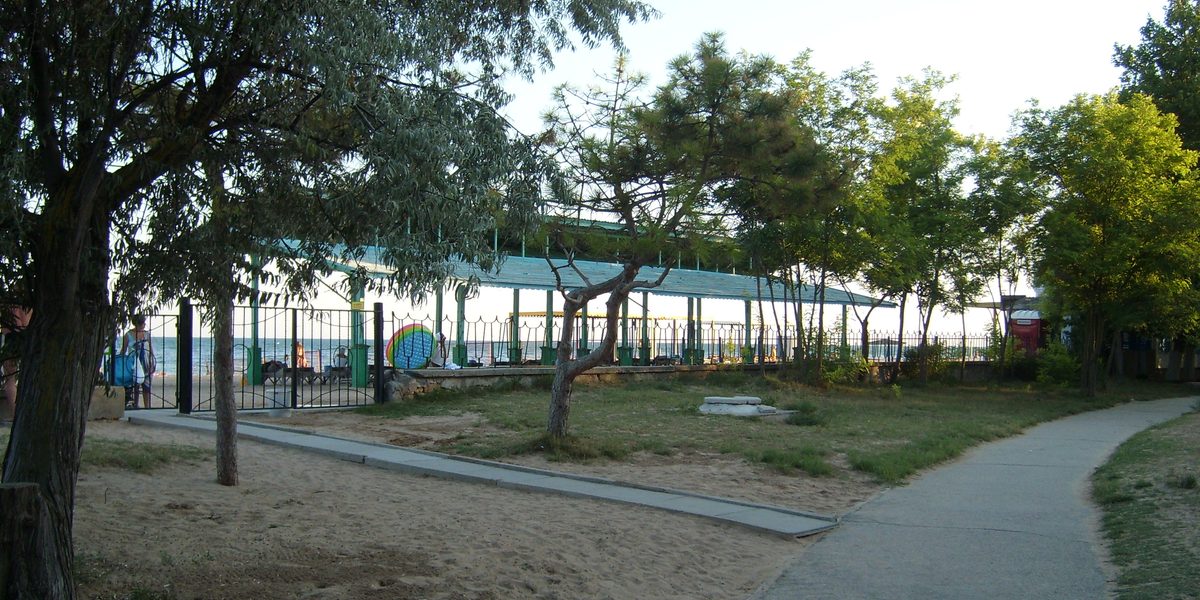
Most of us live largely indoors — home to car to office to store and back — and hardly notice how sealed-in our days have become. Yet nearly everyone recognizes the feeling of stepping outside after too long inside: shoulders drop, breathing deepens, colors seem a shade brighter, and the mind seems to get a little more room to think. Time outdoors and in green surroundings has a way of refreshing both body and mood, and the wonderful news is that it does not require wilderness expeditions or free weekends. Fresh air hides in ordinary days, waiting to be claimed in five- and ten-minute pieces. Here is a collection of everyday ideas for letting more of the outdoors into your life, whatever your schedule or postcode looks like.
Start With Micro-Doses of Outside
The biggest myth about nature time is that it only counts in large quantities. In truth, small and frequent beats rare and grand. Two minutes on the doorstep with your morning coffee, a slow lap of the block before lunch, stepping into the garden while a phone call rings through — these micro-doses accumulate into a genuinely more outdoor life.
The trick is attaching them to things you already do. Drink the first coffee outside instead of at the counter. Check the sky, not your phone, while the kettle boils. Take the recycling out slowly, and stay an extra minute. If you commute, get off one stop early or park a street farther away and let the walk be your daily open-air interlude. None of these requires planning or equipment; they only require remembering that the door is right there, and it opens.
Turn Lunch Into an Outing
The midday break is the most underused nature opportunity of the working week. Eating at a desk saves perhaps ten minutes and costs a real chance to reset. If there is a park, courtyard, bench, or even a patch of steps with a tree in sight near your workplace or home, claim it a few days a week. Pack lunch, walk there, eat without a screen, and notice how different the afternoon feels afterward.
No green space nearby? The open air itself still counts. A walk around the block after eating, ten minutes standing in the sun by the entrance, or simply choosing the outdoor tables when you buy lunch all deliver a share of the benefit. Some workplaces are happy to hold one-on-one meetings as walks — worth suggesting, since walking meetings turn obligatory calendar time into daylight time. Guarding even two outdoor lunches a week can change the texture of the whole workweek.
Let the Outdoors Indoors
On days when going out is genuinely hard, you can still narrow the gap between inside and outside. Open windows are the humblest tool: even ten minutes of cross-breeze changes the feel and freshness of a room, and the sounds that drift in — birds, rain, wind in leaves — carry a surprising amount of the outdoors with them. Make window-opening a small daily ritual, morning or evening, rather than an occasional accident.
Arrange your rooms to face the light: a chair turned toward the window transforms reading, working, and coffee-drinking into something closer to sitting outside. Houseplants add a living green layer to your field of view, and caring for them — watering, trimming, repotting — is itself a small nature practice. Balconies, porches, and fire escapes deserve promotion from storage space to sitting space: one chair and a plant can turn a few square feet into your daily fresh-air station.
Make Chores and Errands Green
Plenty of outdoor time hides inside tasks you already do — it just needs to be noticed and slightly extended. Consider how many of these could become open-air moments:
- Walk the errands — the pharmacy, the bakery, the mailbox; any trip under fifteen minutes on foot is a nature break in disguise.
- Garden a little — even one pot of herbs on a step gives you a reason to be outside daily.
- Wash the car by hand — an hour of sunshine and water instead of a drive-through.
- Sweep the porch or rake leaves — rhythmic, satisfying, and entirely outdoors.
- Walk the dog farther — add one street to the usual route; the dog will vote yes.
Reframing chores as outside time does something pleasant to both: the chores feel less like drudgery, and the outdoor minutes accumulate without a single extra item on your schedule.
Plan Small Weekly Adventures
Daily micro-doses form the foundation; a modest weekly outing builds on it. This need not mean summiting anything. A Saturday morning at the local park, an hour at a botanical garden, a stroll along whatever water your town offers, or exploring one new green space a month all qualify beautifully. Novelty is its own refreshment — an unfamiliar trail or neighborhood wakes up attention in a way the daily loop cannot.
Keep a short list of nearby options — parks, nature reserves, riverside paths, tree-lined districts — so weekend inertia never wins by default. Invite company when you want it: outdoor plans are the easiest kind to share, and a walking companion turns green time into social time. Families can hand children a simple mission — find three kinds of leaves, spot a bird, collect one interesting rock — and watch a routine walk become an expedition. The point is not distance or duration; it is the standing appointment with somewhere green.
If motivation dips, lower the bar rather than abandoning the outing. A twenty-minute wander still counts; so does driving somewhere pretty and walking for ten. Pair the trip with something you already love — a podcast saved for the trail, a bakery stop on the way home, a camera and the excuse to photograph whatever is blooming. Outings that end pleasantly get repeated, and repetition is the entire game.
Dress for It and Drop the Perfection
The biggest obstacle to daily fresh air is rarely time — it is weather, or rather, our relationship with it. Waiting for perfect conditions guarantees an indoor life in most climates. The alternative is the old outdoor wisdom: there is no bad weather, only unsuitable clothing. A decent rain jacket, a warm layer, and shoes that can handle wet pavement unlock hundreds of additional outdoor days a year.
Imperfect-weather outings carry their own rewards. A walk in light rain is quiet and oddly private; cold, crisp air is a better wake-up than a second coffee; wind makes even a familiar street feel dramatic. Sensible limits apply — take it easy in extreme heat or ice, protect your skin in strong sun, and if you have a health condition affected by cold, heat, or air quality, follow your doctor's guidance about conditions to avoid. Within those bounds, letting go of fair-weather-only thinking may be the single biggest upgrade to your outdoor life.
Final Thoughts
More fresh air and green time is one of the most pleasant health habits you can build, because every dose is its own reward — the light, the air, the small loosening of the day's grip. Start embarrassingly small: tomorrow's coffee on the doorstep, a window opened wide, one lunch outside this week. Let the micro-doses become routine, add a weekly wander somewhere green, and dress for whatever sky shows up. The outdoors has been waiting patiently all along, a few steps past the door — and every small visit you pay it tends to leave the rest of the day feeling a little lighter.