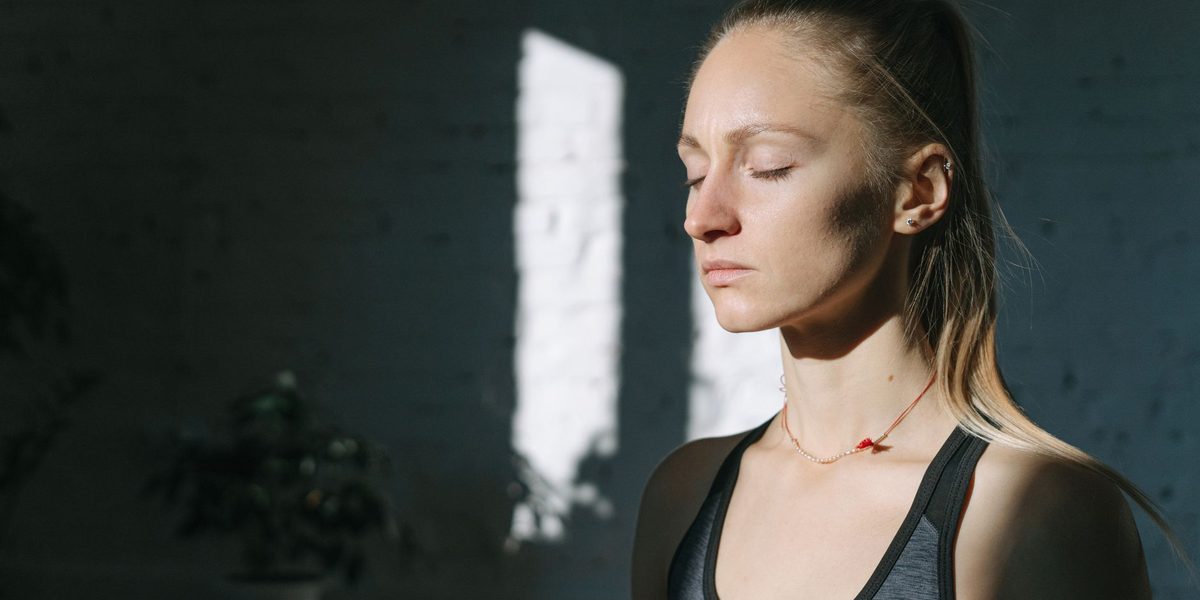
You carry a reset button with you everywhere, and it costs nothing to press. Your breath is the one part of the body's automatic machinery that you can also steer on purpose — and steering it, even for sixty seconds, has a way of dialing down tension, clearing mental static, and returning you to the day a little steadier. That is why breathing exercises have quietly moved from meditation cushions into offices, kitchens, and school pickup lines. A breathing break is not a retreat or a ritual; it is a practical pause, the mental equivalent of stretching your legs. Here is a friendly tour of simple techniques and — just as important — the everyday moments where they fit. These practices are for general wellness; if you experience breathing difficulties, dizziness, or persistent anxiety, check with a doctor rather than troubleshooting alone.
Why a Minute of Breathing Works
Most of the day, breathing runs on autopilot — and under pressure, the autopilot gets hasty. Deadlines, crowded inboxes, and hurried errands nudge breath into the upper chest: quick, shallow, and subtly effortful. Your body reads that pattern as confirmation that things are urgent, which feeds the very tension that caused it. It is a small loop, and it spins all day unnoticed.
Deliberate slow breathing interrupts the loop from the other side. When you lengthen and deepen the breath — especially the exhale — you send the body a different message: nothing is chasing us. Shoulders descend, the jaw unclenches, and thoughts stop sprinting quite so hard. None of this requires belief or practice retreats; it is simply how the machinery responds. The effect of one breathing break is modest and real — a notch or two calmer, a cleaner slate for the next task. The effect of several a day, taken for weeks, is a noticeably smoother baseline.
Start With the Long Exhale
If you learn only one technique, make it this: exhale longer than you inhale. The extended out-breath is the most calming lever in ordinary breathing, and it needs no counting apps or instruction. Breathe in through your nose comfortably — say, to a count of four — then let the breath out slowly and completely, to a count of six or eight, as if fogging a window in slow motion. Repeat five or six times.
Details that help: keep the inhale relaxed rather than heroic; there is no need to fill to the brim. Let the exhale be smooth instead of forced — some people like to purse their lips slightly, or sigh the first one out audibly. Rest a hand on your belly and let it swell gently on the inhale, which encourages the deeper, lower breathing that feels most settling. One round takes about a minute. If counting feels fussy, abandon the numbers and keep only the principle: out-breath longer than in-breath, several times, unhurried.
Build a Small Repertoire
Variety keeps breathing breaks interesting, and different tools suit different moments. A few classics worth having on hand:
- Box breathing — inhale for four, hold gently for four, exhale for four, hold for four; the even rhythm is wonderfully steadying before something that requires composure.
- Counted tens — breathe naturally but count each exhale up to ten, then start over; when your mind wanders off the count, that is not failure, that is the exercise.
- Three sighs — three deliberate, audible sighs in a row; almost comically simple, and surprisingly effective at releasing a held morning.
- One-minute belly breathing — hand on stomach, slow breaths aimed low, feeling the hand rise and fall.
- Five-senses breath — one slow breath while noticing something you can see, hear, and feel; a breath anchored in the room rather than the to-do list.
All holds and counts should stay comfortable — nothing strained, nothing dizzy-making. If any technique feels unpleasant, drop it and use another; the long exhale alone will happily carry the whole habit.
Attach Breaths to the Day's Seams
The hardest part of breathing breaks is remembering them, and the fix is the same one that works for every tiny habit: attach them to moments that already happen. The day is full of seams — transitions between one thing and the next — and each seam is a natural slot for three slow breaths. Before you open the laptop. After you hang up a call. At every red light. While the kettle boils. In the car before walking into the house, letting the workday drain out before the evening begins.
Doorways make particularly good triggers: one conscious breath each time you pass through a chosen door turns architecture into a mindfulness bell. Waiting is another gift — lines, loading screens, microwave countdowns — reframed as found time for a reset instead of a cue to reach for the phone. Choose two or three seams rather than ten, and let them run for a couple of weeks until the pairing is automatic. A day stitched with small breathing pauses feels meaningfully different by evening, even though no single pause took longer than a stoplight.
Use Breath for the Hard Moments
Beyond routine resets, breathing is a tool you can reach for deliberately when the temperature rises. Before a difficult conversation, a presentation, or a decision you keep circling, a minute of box breathing or long exhales settles the static enough to think clearly. Mid-frustration — the maddening email, the spilled coffee, the traffic — three slow breaths inserted between the spark and your response often changes what you do next, which is no small thing.
It also earns a place at the day's bookends. A few slow belly breaths before getting out of bed starts the morning at your pace instead of the alarm's. A quiet minute of long exhales on the pillow at night gives the mind a runway toward sleep. Parents pass the tool along easily — smell the flower, blow out the candle works for small children and, honestly, for everyone. Be patient with yourself in genuinely hard moments; breathing is a helper, not a magic eraser. And if anxiety, racing heartbeats, or breathlessness are frequent visitors in your life, bring them to a healthcare professional — breath work can sit alongside proper care, not substitute for it.
Keep the Habit Light
Breathing breaks thrive on informality. There is no streak to maintain, no gear to buy, no correct posture beyond comfortable — sitting, standing, or walking all work. Nobody around you needs to know you are doing anything at all, which makes this the most portable wellness habit in existence: it works in meetings, on buses, in waiting rooms, and mid-chaos in the kitchen.
If you enjoy structure, a scheduled minute after lunch or a reminder labeled three breaths is plenty. If you resist structure, simply let the day's seams and spikes prompt you. Some weeks you will remember often, others barely at all; the habit forgives completely and restarts instantly, one breath from now. Most people who keep at it stop thinking of it as a technique and start thinking of it as punctuation — small commas placed in long sentences of doing, which somehow make the whole day easier to read.
Final Thoughts
A breathing break asks for one minute and repays it immediately — a steadier pulse to the day, a cleaner start on whatever comes next. Learn the long exhale, pick two seams of your day to stitch it into, and keep a favorite technique in reserve for the hard moments. The reset button has been with you all along, riding quietly in your chest; the only skill is remembering to press it, and now you have a dozen reminders to choose from.