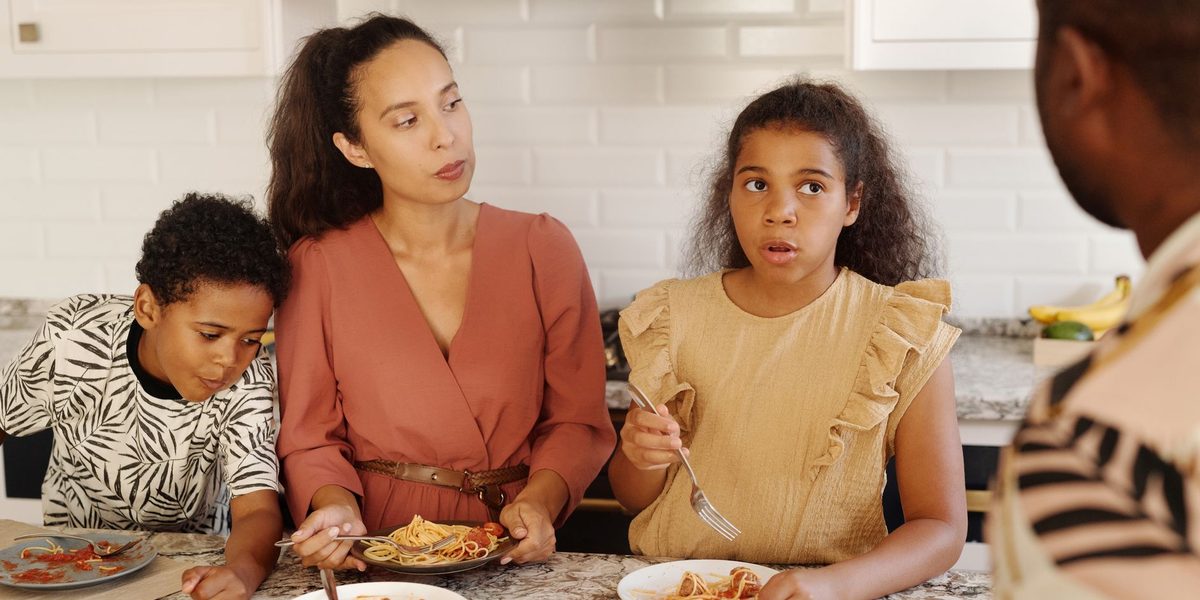
Dinner has to happen every night anyway — which is exactly what makes it the most underrated opportunity for family fun on the calendar. A weekly family cooking night transforms a chore into an event: everyone in the kitchen, music on, flour in the air, and a meal at the end that tastes better because everybody had a hand in it. You do not need culinary skills, fancy equipment, or cooperative children to start. You need a repeatable format, jobs sized to each person, and a little theater. Here is how to build a cooking night your family will actually protect on the schedule.
Pick a Night and Make It Sacred
The single biggest predictor of whether cooking night becomes a tradition is whether it has a fixed home on the calendar. Choose the evening with the least friction — often Friday, when homework pressure lifts, or Sunday, when the week has not yet started — and treat it like an appointment. Put it on the family calendar, name it something fun, and let the kids make a sign for the kitchen door.
Keep the commitment realistic: weekly is ideal, but every other week beats an ambitious plan that collapses in a month. What matters is that everyone knows it is coming and that it happens predictably, because anticipation is half of any tradition's value.
Give Everyone a Real Job
Cooking night falls apart when one parent cooks while everyone else watches, so assign genuine roles. Even a three-year-old can tear lettuce, rinse vegetables in a colander, or press the start button on the blender with supervision. Grade-schoolers can measure, whisk, crack eggs, and operate the salad spinner, which remains the most entertaining kitchen tool ever invented. Older kids can chop with supervision, manage the stove with guidance, and eventually own an entire dish.
Rotate the glamorous and unglamorous jobs alike. One person is head chef each week, choosing the menu and directing the team; someone else is sous-chef, another runs drinks and table setting, and everybody shares cleanup. When kids know they will get their turn as head chef, they invest in the whole enterprise — and taking direction from your nine-year-old in a paper chef's hat is its own kind of joy.
Use Themes to Keep It Fresh
A theme turns an ordinary meal into an occasion and solves the eternal question of what to make. Rotate through ideas and let each head chef pick:
- Build-your-own night: tacos, pizzas, burgers, rice bowls, or baked potatoes with a toppings bar everyone assembles to taste.
- Around-the-world night: pick a country, cook a simple dish from it, and play music from that place while you work.
- Breakfast for dinner: pancake art, egg experiments, and the deep delight of syrup after dark.
- Grandma's recipe night: recreate a dish from a relative, ideally with that relative on a video call supervising.
- Pantry challenge: invent a meal using only what is already in the house, cooking-competition style.
Themes also create natural learning moments — finding a country on the map, converting a doubled recipe, calling a grandparent to ask how much flour she really uses — without anything feeling like homework.
Seasonal themes give the rotation a backbone: soups and breads when the weather turns cold, grilling and salads in summer, a harvest night in autumn built around whatever the market had, and a decorate-your-own-cookie night when winter holidays approach. Kids start associating flavors with seasons, and the year develops a delicious rhythm that everyone can anticipate.
Add a Dash of Friendly Competition
Borrowing from cooking shows adds instant energy. Run an occasional mystery-ingredient night where the head chef unveils one item everyone must incorporate, or split into two teams to make rival versions of the same dish and let a neutral judge — a grandparent on video call is perfect — award whimsical prizes like Best Presentation and Most Creative Use of Cheese.
Keep the competition silly rather than serious. The scoring categories should make everyone laugh, every team should win something, and the trophy can be a wooden spoon wrapped in foil. The goal is stories, not standings: the night the pancake stuck to the ceiling will be retold for decades, long after anyone remembers who technically won.
Let Kids Own a Signature Dish
One of the most confidence-building gifts of cooking night is helping each child develop a signature dish they can make from memory. Start with something achievable — scrambled eggs, a quesadilla, a simple pasta — and let them cook it repeatedly until they own it. Then put their name on it in the family vocabulary: not grilled cheese, but Maya's Famous Grilled Cheese.
Ownership changes how kids see themselves in the kitchen and at the table. A child who can feed people believes they can take care of people, and a teenager who leaves home with five confident dishes carries a life skill wrapped in years of warm memories. Signature dishes also make weeknight cooking easier all week long, which is a tradition paying practical dividends.
Capture It in a Family Recipe Book
Every cooking night produces something worth remembering — a hit recipe, a spectacular failure, a photo of the flour handprints on someone's back pocket. Keep a family recipe book to hold it all. A simple binder works: the recipe as you actually made it, who was head chef, a rating from each family member, and one line about what happened that night.
Over the years, the binder becomes a family heirloom disguised as a cookbook. Kids love flipping back to see their wobbly seven-year-old handwriting next to a taco recipe, and someday those pages — complete with sauce stains and margin notes — will be among the most treasured objects in the house. Consider making a copy for each child when they eventually move out — a bound edition of the family's greatest hits, disasters faithfully included, may be the best going-away gift a kitchen can produce.
Keep the Chaos Manageable
A little mess is the price of admission, but a few habits keep cooking night from overwhelming the cooks. Choose recipes with under about forty-five minutes of active time, do any dangerous or tedious prep before the crew assembles, and lay out ingredients in advance like a cooking show set. Hungry helpers are cranky helpers, so put out a small snack plate — vegetables and dip earn double duty here — for grazing while the meal comes together. An apron for each family member, hung on its own hook, adds a surprising amount of occasion to the whole affair and keeps at least some of the flour off the clothes.
Make cleanup part of the event rather than the aftermath: crank the music, assign zones, and race the length of two songs. And when a dish fails completely, which it eventually will, declare it a legendary disaster, order the backup frozen pizza, and write the story in the recipe book anyway. The failures make the best pages.
Final Thoughts
A family cooking night is really a weekly excuse to stand shoulder to shoulder, work on something together, and eat the results. Start simple: pick the night, pick a build-your-own menu, hand out jobs, and let the first evening be gloriously imperfect. The themes, competitions, signature dishes, and recipe book can accumulate over months. What your kids will remember is not any single meal but the ritual itself — the music, the flour, the crowded counter, and the certainty that once a week, the whole family makes something together.