Cousins occupy a magical slot in a kid's universe: familiar enough to skip the shyness, rare enough to feel like an event, and bound by the shared inheritance of the same grandparents and the same family jokes. Cousin camp — a few days each year when the cousins gather at one house, classically the grandparents', for an immersive stretch of togetherness — is the tradition that turns those scattered relationships into lifelong bonds. It needs no lake, no cabins, and no counselor training; it needs a willing host house, a little structure, and a name. Here is how to build one kids will beg to repeat annually.
Decide the Shape: Who, Where, and How Long
Start modest. A first cousin camp of two nights and three days is ambitious enough; length can grow with legend. The classic host is a grandparent's house, which layers the bonding two directions at once, but an aunt, uncle, or rotating host family works just as well — rotation actually spreads both the load and the lore. Set the age floor wherever the hosts' stamina honestly sits; many camps start at potty-trained and school-aged, with younger siblings joining as they graduate into eligibility, which turns attendance itself into a rite of passage.
Crucially, cousin camp is drop-off: parents deliver, wave, and leave. The absence of parents is not a logistical detail — it is the active ingredient. Cousins negotiate, ally, and bond differently when the household hierarchy is grandparents and kids with nothing in between, and the campers return home with a shared world their parents are not part of, which is exactly the point.
Give It a Name, a Flag, and a Uniform
Institutions need identity, and kids will do half the work here with terrifying enthusiasm. On the first morning of the first camp, hold a founding ceremony: the campers name the camp — expect a fierce debate producing something like Camp Grandma or Camp Chaos — design a flag on an old pillowcase, and invent a motto and a call-and-response cheer. These artifacts come out every year afterward, and woe to the host who misplaces the flag.
Matching t-shirts, decorated with fabric markers as an opening-day activity, complete the kit and double as the annual photo costume. Add small formalities that cost nothing: camp names for the grandparents — Director and Head Chef have both served with distinction — a hand-painted sign for the porch, and a camp song that gets one verse longer each year. Identity is what elevates a sleepover into a saga.
Build a Rhythm, Not a Schedule
Cousin camp collapses under a resort-style itinerary; hosts burn out and kids rebel. The winning structure is a daily rhythm with big empty middles: a fixed breakfast time with a posted menu, one planned morning activity, a long free-play afternoon, one evening event, and a firm lights-out ritual. Two anchors a day is plenty — the unstructured hours between them are where cousins actually become close, inventing the games and alliances that no adult could program.
Post the rhythm on the refrigerator like an official bulletin, because kids adore consulting a schedule even when it is four lines long. Build in quiet hour after lunch — campers read, draw, or flop, hosts recover — and defend it as camp law. A rested Director runs a better camp, and the campers' afternoon energy is markedly more survivable.
Stock the Activity Arsenal
For the planned slots, favor activities that are cooperative, slightly special, and impossible to replicate at home on a Tuesday:
- The camp cook-off: cousin teams invent and name a dish, judged by the Head Chef with maximum theatricality.
- The great backyard quest: a clue-chain scavenger hunt across the property, written by the hosts, ending at a prize box.
- Craft the keepsake: one project per year that goes home with each camper — painted flowerpots, friendship bracelets, decorated picture frames awaiting the camp photo.
- Water day: sprinklers, water balloons, and a car wash for the grandparents' vehicle that is ten percent wash, ninety percent battle.
- Family history night: old photos and grandparent stories, with campers guessing which parent did which legendary misdeed.
- The talent showcase: the closing-night performance every camper secretly rehearses for all week.
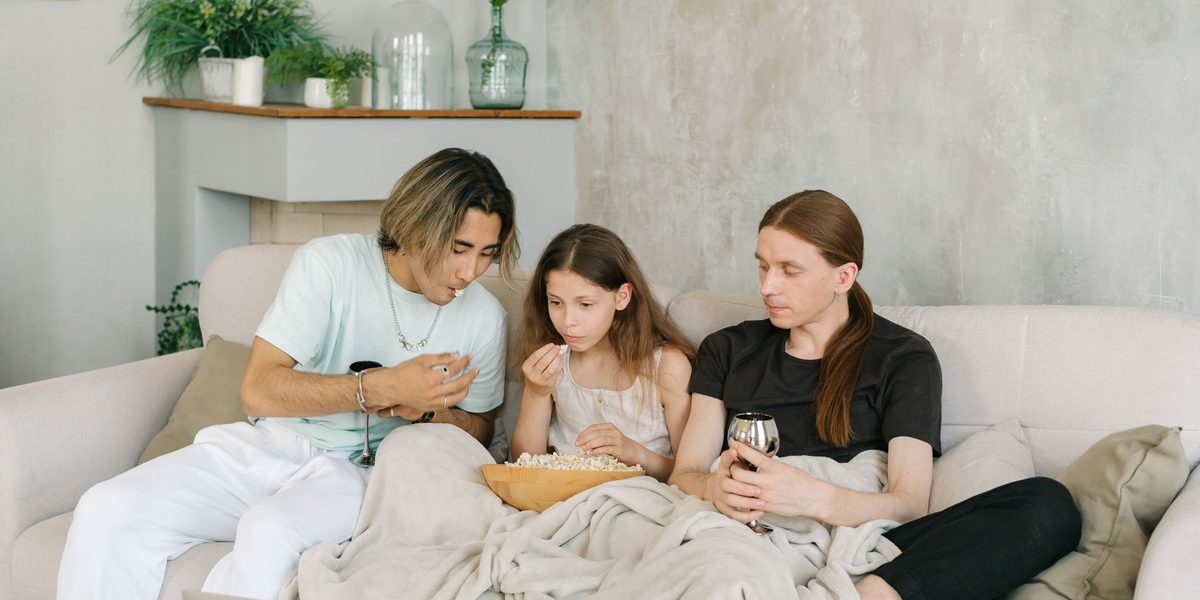
Keep a rainy-day shelf — puzzles, a movie with popcorn, an indoor fort supply crate — and remember the arsenal is a menu, not a mandate. The activity kids request forever is usually the one that went sideways: the collapsed cake, the quest clue the dog ate.
Feed Them Like Campers
Food at cousin camp is tradition infrastructure. Establish signature meals that never change — the first-night pizza, the pancake breakfast with the Director flipping to order, the build-your-own taco line — and one nightly dessert ritual, whether ice cream sundaes with a toppings bar or s'mores at the fire pit. Sameness is the point: campers should be able to recite the menu from memory by year three, and they will.
Let campers cook one meal per camp, fully: menu, preparation with supervision, table service, and the standing ovation afterward. Assign the daily table-setting and clearing crews by cabin — bedrooms make natural cabins — and the chores absorb into the game. A camper who groans at dishes will race to be first if the crews have names and a rivalry.
Master the Nights
Nighttime is where cousin camp mints its strongest memories, and where hosts need their best game. The evening arc that works: high-energy event first — flashlight tag, glow-stick hide and seek, the campfire or fire-pit session with songs and stories — then a deliberate descent through dessert, pajamas, and a read-aloud or quiet card game, landing at a lights-out that is real but slightly later than home, because staying up late-ish is a cousin camp entitlement.
Sleeping arrangements are half the adventure: cousins piled into shared rooms, a hallway of air mattresses, or one glorious living-room floor encampment. Expect whisper-giggling past lights-out and budget for it; the whispered hour is where cousins trade the secrets and jokes that hold the rest of the year. The Director's final patrol, dispensing last waters and threats of breakfast-based consequences, becomes its own beloved bit.
Close with Ceremony and Keep the Thread
End camp the way real camps do: a closing ceremony on the last morning with awards for every camper — most improved marshmallow roaster, quietest whisperer, an honor invented per kid — the annual group photo in the matching shirts at the same spot every year, and the lowering of the flag until next summer. Send each camper home with the keepsake craft and a copy of the photo. The parents arriving at pickup should find children who are filthy, exhausted, and mid-negotiation about next year's theme.
Between camps, keep a thin thread alive: a group video call on the winter solstice of camp, birthday cards between cousins, the camp photo framed in every household. The photos stack into a series that will someday stagger everyone — the same shirts, the same porch, the campers rising like a tide toward the grandparents in the middle.
Final Thoughts
Cousin camp is a modest machine — a few nights, pancakes, a flag on a pillowcase — that manufactures something rare: cousins who grow up close instead of merely related, and grandparents installed at the warm center of it. Start small this summer, let the campers name it, hold the ceremonies with a straight face, and repeat annually until the shirts no longer fit anyone in the founding photo. The kids will handle the rest, and they will handle it for the rest of their lives.