Ask kids what they did with their family last month and the trip for ice cream may or may not surface — but the afternoon they helped load a food drive truck will come up for years. Giving back together is one of the most bonding things a family can do, precisely because it flips the usual script: instead of being entertained side by side, the family becomes a team with a job that matters to someone else. The trick is finding ways to serve that genuinely include kids, fit real schedules, and feel like adventure rather than obligation. Here is a full menu, from five-minute kindnesses to annual traditions.
Start Smaller Than You Think: Kindness Projects at Home
Family service does not begin with an application form; it begins at the kitchen table. Kids of any age can help bake a double batch and deliver half to a neighbor, draw cards for residents of a nearby care home, assemble small care kits — socks, granola bars, a warm note — to keep in the car for someone who needs one, or decorate a box for outgrown toys and choose, personally, which treasures move on to another child.
These micro-projects matter because they are repeatable and because the giver sees the receiving. A five-year-old cannot staff a soup kitchen, but a five-year-old absolutely can carry cookies across the street and feel the porch-light warmth of being thanked. Families who start here build the habit that makes everything bigger possible: in this house, we notice what people need.
Adopt a Patch of the Neighborhood
The easiest recurring family project is dirt-simple: pick a place you already love — the park where the kids play, a stretch of trail, the block around your building — and informally adopt it. Once a month, the family sweeps through with grabbers, gloves, and a trash bag apiece, and the outing runs like a scavenger hunt with a purpose. Kids compete for weirdest find and biggest haul; the after-ritual, hot chocolate or a bakery stop, seals it as an event rather than a chore.
Adoption grows naturally: planting bulbs where the town allows it, refilling the little free library the family builds or maintains, shoveling a neighbor's walk all winter as a standing secret mission. Because the patch is somewhere the family already goes, the caretaking becomes visible — kids walk past the clean park and know, with quiet ownership, who did that.
Feed People, the All-Ages Classic
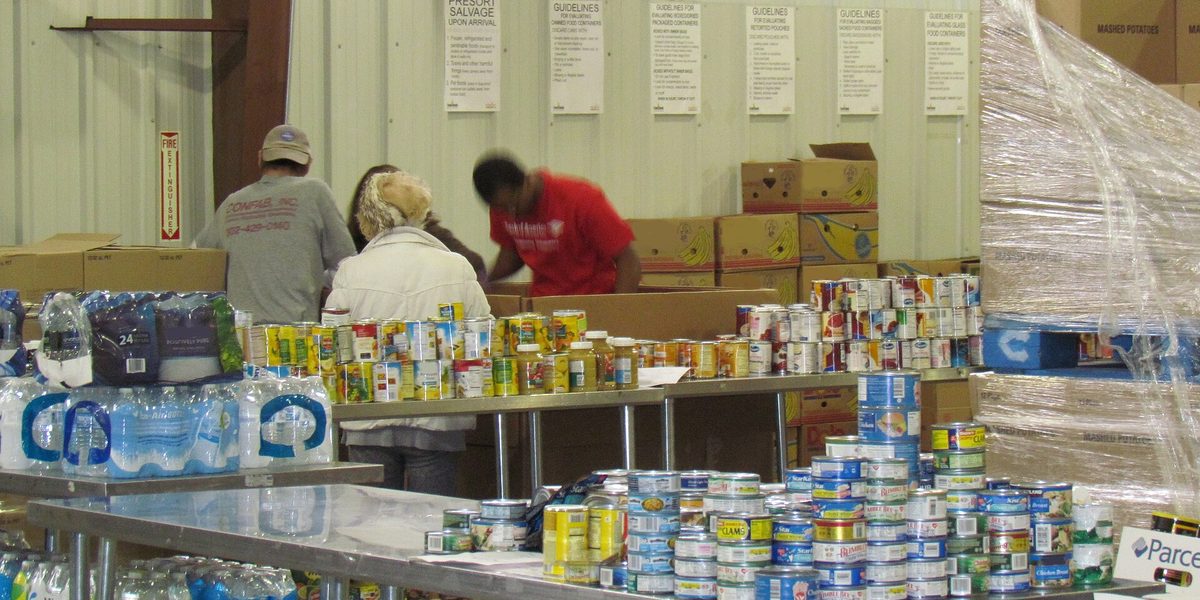
Food projects are the backbone of family volunteering because every age can hold a job. Food banks and pantries welcome family groups for sorting and shelf-stocking, and small kids are shockingly effective can-inspectors and box-fillers. Community meal programs often need table setters, greeters, and dessert servers — roles where a kid's grin is a genuine asset. Call ahead about age minimums; where they exist, the same organizations usually have collection or prep work families can do from home.
Home-based food service is its own track: running a food drive on your street with kid-designed flyers and porch pickup, growing an extra garden row every summer for the pantry, or joining the casserole rotation for a neighbor recovering from surgery. Let kids handle the parts that make it theirs — the labeling, the delivery knock, the awkward proud handoff.
Serve the Animals
For many kids, animals are the gateway to service. Shelters and rescue groups commonly need towel and blanket donations — a family laundry drive is a perfect starter — plus old newspapers, food drives, and enrichment toys, some of which volunteers can make at home from braided fleece. Families with older kids may qualify to walk dogs or socialize cats together, and fostering, for households ready for it, turns the entire home into the volunteer project.
Wildlife counts too: building and maintaining a birdhouse or pollinator patch, joining a community habitat cleanup at a creek or shoreline, or keeping the neighborhood's storm drains clear of debris as a family beat. Animal projects teach a subtle lesson human ones sometimes cannot — the recipient will never say thank you, and the work still matters.
Match the Mission to Your Family's Superpowers
The volunteering that sticks is the kind that uses what your family already loves. Musical households can play or sing at senior residences, where an off-key seven-year-old is a headliner. Crafty families can sew, knit, or build for donation drives — blankets, hats, birdhouses, care-package decorations. Runners can turn the charity 5K into an annual family event, walkers included. Handy families can join builds and repair days where teens swing real hammers next to their parents.
- Readers: record audiobooks for programs that accept them, or run a children's book drive with sorting night at your table.
- Gardeners: grow starter seedlings for community garden giveaways each spring.
- Bakers: own the dessert table at every fundraiser within a mile, permanently.
- Techies: teens can teach phone and computer basics to older adults at library help sessions, with a parent as co-tutor.
- Organizers: be the family that runs the coat drive, the school supply drive, the sock drive — logistics is a superpower too.
When service runs through a family's existing identity, nobody has to be dragged. The mission feels less like an obligation and more like the family doing its thing, aimed outward.
Build Giving into the Calendar
One-off projects fade; traditions compound. Anchor service to dates the family already keeps: a birthday tradition where each kid picks a small cause and the family does one act for it that month, a thankfulness-season food drive, a spring cleanup that marks the end of winter, a giving night before winter holidays where kids help choose gifts for a giving tree. Some families keep a giving jar — spare change all year, destination debated and voted each December with campaign speeches encouraged.
A family service day on the same weekend every year — matching shirts optional but beloved — becomes the kind of institution kids measure their growth against: the year I was finally old enough to use the grabber, the year I got to drive the donations over myself. Keep a simple log of projects and photos, and the family's giving history becomes its proudest scrapbook.
Keep It Joyful, Keep It Honest
A few guardrails keep family volunteering healthy. Right-size the commitment — one sustainable project beats four abandoned ones, and a two-hour shift with a snack break beats a marathon that ends in tears. Let kids feel real ownership by giving them genuine choices and genuine jobs, not ceremonial ones. Debrief lightly afterward — what surprised you, who did we help, what should we do differently — and let the conversation stay short and honest.
And resist turning service into a lecture. The point is not to manufacture gratitude in children by showing them hardship; it is to give them the durable, joyful experience of being useful together. Kids who grow up on that feeling chase it for the rest of their lives, which is the whole endgame.
Final Thoughts
Family volunteering is togetherness with its sleeves rolled up. Start with one micro-kindness this week — the cookies, the cards, the donation box — then let the family vote on a patch to adopt or a cause that fits its superpowers, and pin one giving tradition to the calendar where it cannot escape. The hours are ordinary: sorting cans, filling bags, knocking on doors. The result is not. A family that gives together learns, project by project, that it is bigger than its own address — and that lesson outlasts every ice cream trip ever taken.