Every family week has the same shape: a sprint from Monday to Friday, a Saturday spent catching up on everything the sprint postponed, and then Sunday — the one day with room in it. That room is exactly where family traditions grow best. A Sunday with two or three fixed rituals gives the whole week an anchor: something to look forward to on the way in, something to steady everyone on the way out. None of it requires elaborate planning; it requires picking a few repeatable pleasures and defending them. Here is a menu of Sunday traditions, morning to night, to build your family's version from.
The Big Slow Breakfast
Weekday breakfasts are logistics; Sunday breakfast can be an event. Pick a signature — pancakes are the traditional monarch, but waffles, french toast, or a full build-your-own bagel spread serve equally — and make it the same every week, because the sameness is the tradition. Kids should have jobs: batter stirring, table setting, the solemn duty of the first taste test. Someone controls the breakfast playlist, a rotating honor.
Let the meal sprawl. No one leaves the table at weekday speed; seconds are structural, and conversation is the actual dish being served. Some families add a fixed question to the table — best thing that happened this week, one thing you want to do today — and let even the smallest member hold the floor. A slow breakfast tells the whole household, without announcing it, that today runs on different clocks than the rest of the week.
The Sunday Outing, Kept Small
Sunday afternoons want one shared activity with no achievement attached. The classic is the Sunday walk — same neighborhood loop or same park trail, week after week, in nearly all weather. The repetition is the feature: kids narrate what changed since last week, the dog learns the route by heart, and the walk becomes a moving family meeting where conversation happens shoulder to shoulder, which is famously the easiest direction for kids to talk in.
Rotate in modest variations by season — the bakery walk where the route happens to end at croissants, the library run where everyone restocks for the week, a standing pickup game at the park, bikes when legs get longer. The rule of thumb: if it needs tickets, reservations, or a car packed the night before, it is a day trip, not a Sunday tradition. Sunday outings should be repeatable on a bad week, because the bad weeks are when they matter most.
The Family Game Hour
Somewhere in the afternoon, many families anchor a fixed game hour: one board game, card game, or puzzle session with everyone at the table. Keeping it to a single hour is what makes it survivable for teenagers and toddlers alike, and running a season-long championship — a running score across weeks, a ceremonial trophy object, standings posted on the refrigerator — turns fifty-two ordinary hours a year into a saga with history and grudges.
Families with kids at very different stages can split the hour: a short round of a simple game with everyone, then a longer game for the big kids while the little ones move to blocks or coloring at the same table. Presence at the table, not the game itself, is the tradition being built.
The Family Meeting Kids Do Not Dread
The phrase family meeting has a public relations problem, but ten well-run minutes on Sunday genuinely improves the week — the trick is format. Keep it short, keep it standing or snack-equipped, and give it a fixed liturgy: one round of appreciations, where each person thanks another family member for something specific from the week; a quick look at the week ahead on the calendar so nobody is ambushed by Wednesday; and one fun decision made together, like next Sunday's breakfast or the movie night pick.
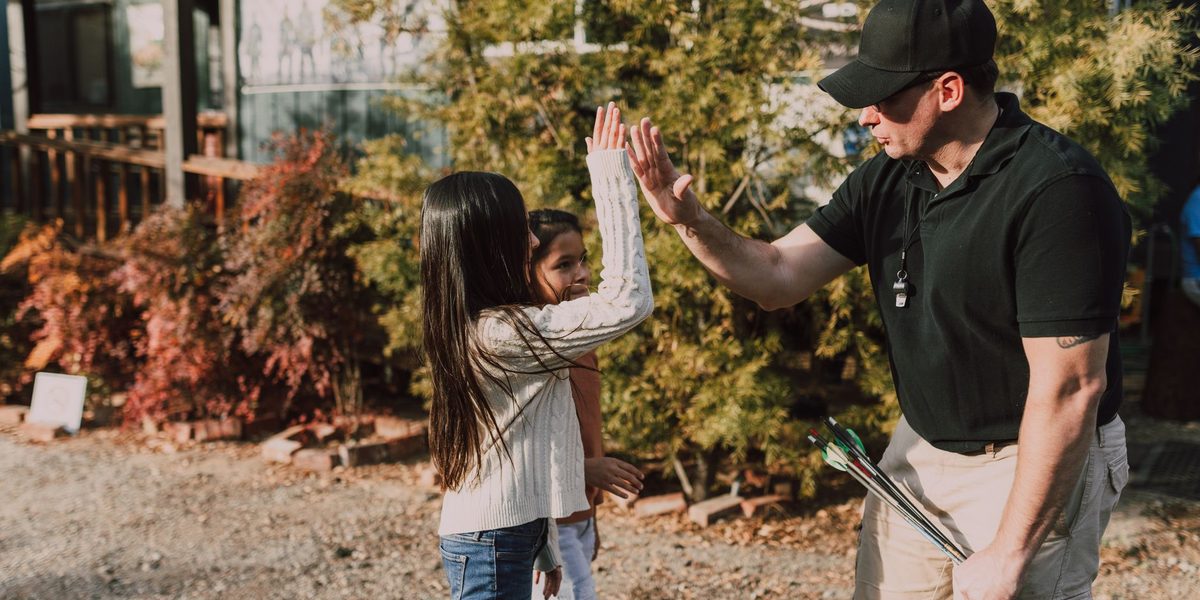
Rotate the chairperson role through the kids, gavel optional but recommended. Complaints are legal but must arrive with a proposed fix, a rule that converts whining into engineering. End every meeting the same silly way — a family cheer, a group high five that never quite synchronizes — and adjourn before anyone wishes it were over. Ten minutes, every week, compounds into a family that plans together by reflex.
The Prep Hour That Feels Like Teamwork
Some of Sunday's magic is practical: the household that enters Monday prepared is calmer all week, and preparation done together is a tradition in its own right. Run a family prep hour with music and assigned stations — lunches assembled production-line style, backpacks staged by the door, the week's outfits chosen by their wearers, one big pot of something simmered for the nights that will need rescuing.
The tone matters more than the checklist: this is pit crew, not chores. Everyone works, it ends at a fixed time, and it closes with a payoff the family chooses — ice cream, the first episode of the evening's show, twenty minutes of unsupervised couch anarchy. Kids who grow up with the prep hour absorb, without a single lecture, the idea that a family is a team that sets itself up to win.
The Golden Evening Wind-Down
Sunday evening carries a particular gravity — the weekend ending, the week looming — and a wind-down ritual gives the family a soft landing. Build a fixed sequence and let it be cozy: baths or showers early, pajamas by a set hour, and then the anchor event, which might be a chapter of the family read-aloud, a short show that belongs only to Sunday, or dessert served with unusual formality.
Close with a small verbal ritual at bedtime: each person names one good thing from the weekend and one thing they are looking forward to. It takes ninety seconds and reliably tilts the household's last thoughts of the weekend toward gratitude and anticipation rather than dread. Parents get a quiet bonus: the answers, week over week, are a running report on each child's inner weather.
Design Your Own Sunday Constitution
No family should attempt everything above; a Sunday stuffed with traditions is just a scheduled day with better branding. Choose two or three anchors — commonly one morning, one afternoon, one evening — and write them down as the family's Sunday constitution, posted where everyone can see it. Kids should help draft it, veto included, because traditions imposed are chores while traditions co-authored are identity.
Then defend the anchors gently but firmly. Invitations, errands, and screens will all bid for the same hours; the answer is not never but not during breakfast. Expect the traditions to evolve — the walk becomes the bike ride becomes the teenager reluctantly joining for the bakery leg only — and let them, as long as the anchor survives in some form. Continuity, not purity, is what kids remember.
Final Thoughts
A family's sense of itself is built less by grand occasions than by the small ceremonies it repeats — and Sunday offers fifty-two chances a year to repeat them. Start this week with a single anchor: the slow breakfast, the loop walk, the ninety-second bedtime round. Add a second when the first feels inevitable. Within a season, the family will defend these hours without being asked, and within a few years, Sunday will not just be the day with room in it. It will be the day the family, quietly and weekly, becomes itself again.