Siblings can bicker over the last waffle at breakfast and be conspiring in a blanket fort by lunch — the relationship swings that fast, and that is normal. What tips the balance over time is not fewer squabbles but more shared victories: missions accomplished together, inside jokes nobody else understands, and traditions that belong to the kids alone. The best sibling bonding activities put brothers and sisters on the same team against a challenge, a clock, or the forces of bedtime, so cooperation becomes the fun part rather than the assignment. Here is a full menu of ideas to get your crew building that bank of shared victories.
Give Them Missions, Not Chores
Almost any task becomes a bonding activity when it is framed as a joint mission with a shared reward. Two kids told to clean the playroom will negotiate borders like rival nations; two kids told they have twenty minutes to beat their all-time record before the timer detonates will fly around the room as a unit. The trick is that the outcome must be shared — they win together or lose together, with no individual scorekeeping.
Extend the mission format anywhere: a grocery-store challenge where the sibling team must find five items before the parent finishes the list, a car-packing puzzle before a trip, or a secret operation to prepare breakfast in bed for a parent's birthday. Conspiring is the active ingredient. Kids who plot together bond fast, especially when the plot involves a legitimate excuse to whisper behind closed doors.
Build Something Bigger Than One Kid
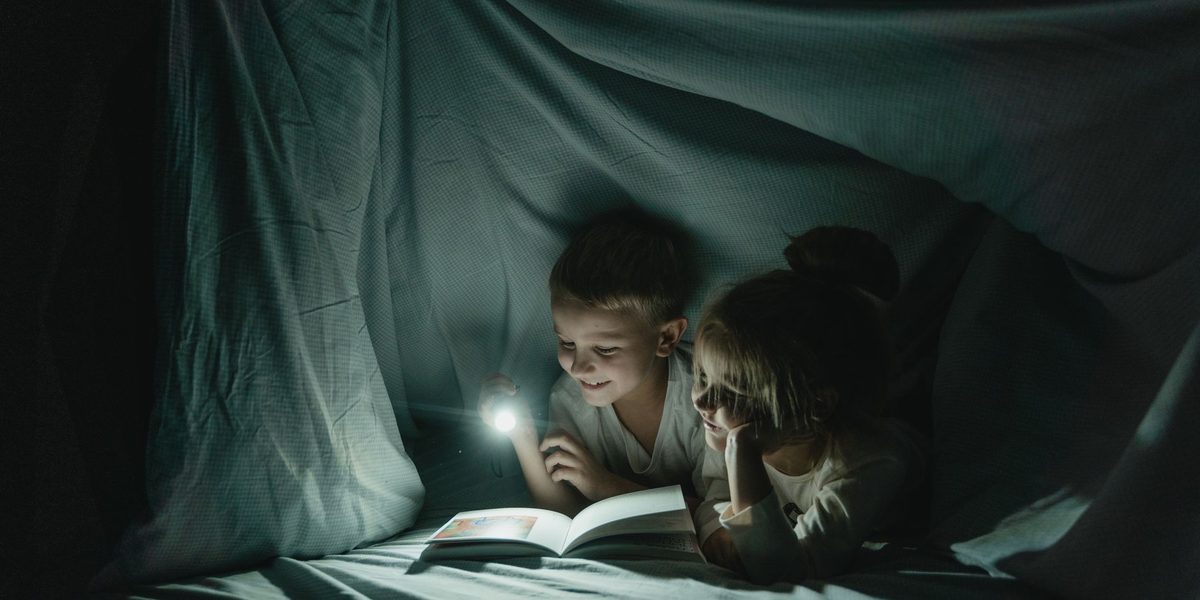
Shared construction projects create the deepest kind of sibling cooperation because the result physically requires more than two hands. The classic is the blanket fort, upgraded over the years into engineering marvels with tunnel entrances and reading rooms. Cardboard-box projects hit the same note: a rocket, a lemonade stand, an arcade machine with real working prize slots cut into the front.
Longer builds pay even bigger dividends. A puzzle with a thousand pieces left standing on a card table becomes a slow-burning collaboration that runs for weeks. A shared garden bed, a marble run that takes over a hallway, or a summer-long domino collection destined for one glorious topple gives siblings a running joint enterprise — something that is theirs, plural. Parents contribute materials and stay out of the design decisions, however strong the urge to straighten a wall — the lopsidedness is the kids' signature on the work.
Schedule Sibling Date Days
Families plan parent-child dates and whole-family outings, but sibling-only outings are strangely rare — and they are magic. A sibling date can be as small as the two kids walking to the corner store with pooled allowance money or as big as an afternoon at the pool while parents stay firmly on the sidelines. Without a parent to appeal to, kids negotiate, compromise, and look out for each other because there is no referee.
For younger pairs, create the same effect at home: a picnic for two on the porch, a movie they pick together with one vote each and no tiebreaker but diplomacy. Older siblings can be trusted with a bus ride, a bakery mission, or planning a surprise for a grandparent. Make it a monthly fixture and let them alternate who chooses, and watch a private sibling culture start to grow out of the shared decisions and the pooled change.
Create Rituals That Belong Only to Them
The strongest sibling bonds are stitched together with private rituals. Help your kids invent a secret handshake with at least five absurd steps, a code word that means meet me in the fort, or a whispered joke exchanged every night through the wall. Once created, these belong entirely to the kids; a parent's only job is to pretend not to notice.
Bedtime is fertile ground for sibling ritual — the older kid reading one chapter aloud to the younger, or the two trading one good thing about their day after lights out. So are ordinary rhythms: the same seats at the table, a claimed spot for each in the car, the traditional race from the mailbox to the door. When kids share rituals, they are practicing belonging to each other, which is exactly the muscle that outlasts childhood.
Run Team Challenges Against the Parents
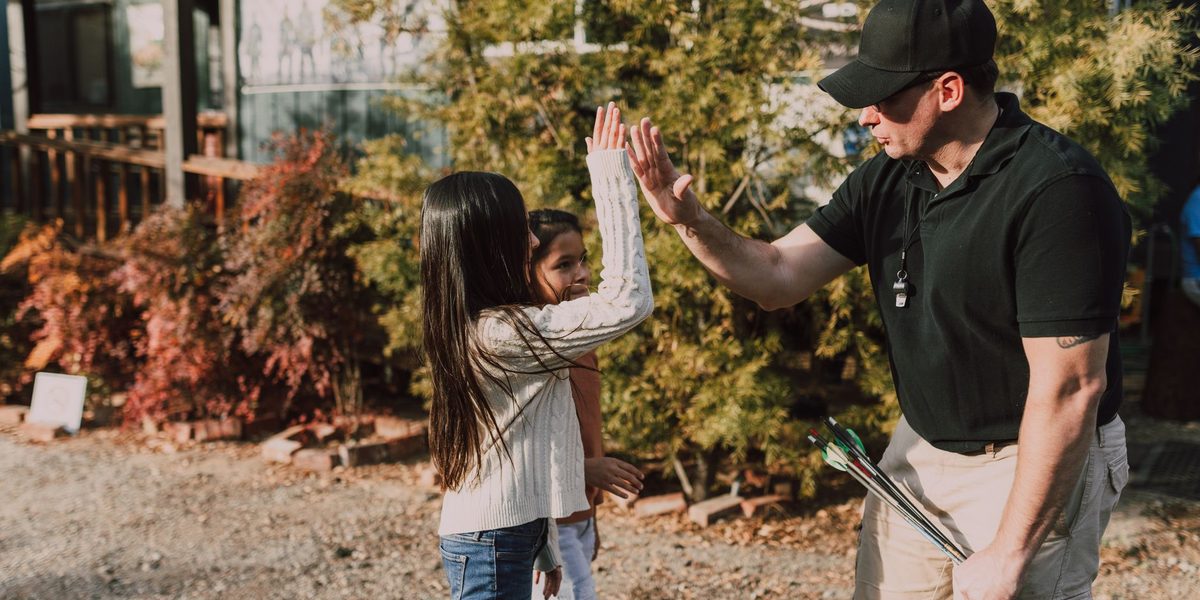
Nothing unites siblings faster than a common opponent, and parents make the perfect one. Structure game night as kids versus grown-ups: trivia battles, charades, backyard relay races, a cooking contest judged by a grandparent on video call. Let the kids huddle, strategize, and celebrate wins with maximum gloating — the alliance is the point, and losing gracefully to your children is a parenting art form.
Season-long rivalries add texture: a running kids-versus-parents score kept on the refrigerator, a ceremonial trophy that migrates between generations, an annual championship with invented history and solemn traditions. Years from now they will not remember the score, but they will remember being teammates, and that identity quietly reshapes how they treat each other on ordinary days.
Let Each Kid Teach the Other
Every child is better than their sibling at something, and swapping those skills is bonding gold. Set up a lesson exchange: the nine-year-old teaches card shuffling, the six-year-old teaches the monkey bars; the teenager teaches a video game combo, the little one teaches the entire plot of their favorite cartoon universe, in detail, with diagrams.
Teaching flips the usual pecking order in healthy ways. Younger kids get to be the expert for once, and older kids practice patience with a student who worships and infuriates them in equal measure. Applaud the teaching as much as the learning, and keep the sessions short — fifteen minutes is a masterclass at this age. A certificate of completion, drawn by the teacher and signed with a flourish, is optional but strongly encouraged. The skills themselves matter less than the hours spent being each other's audience.
Make Memory-Keeping a Joint Job
Give siblings shared custody of the family's fun. They can co-produce a summer scrapbook, run the official photo shoot on the first day of every school year, or record a joint interview each birthday season where they ask each other the same ten questions and dissolve into giggles by question three. A shared memory box — ticket stubs, the fort blueprint, the secret handshake instructions written in code — becomes a time capsule of their partnership.
Looking backward together is as bonding as playing together. Kids flipping through last summer's scrapbook are rehearsing their shared story, and the phrase remember when is the sound of a sibling bond compounding interest. Someday, at some far-off kitchen table, these two will be the only people alive who remember the fort, the handshake, and the great domino topple — and that is the whole point.
Final Thoughts
Sibling closeness is not a temperament lottery; it is a stack of shared experiences, built activity by activity. Start with one mission this week and one ritual — a handshake, a bedtime exchange — and let the kids-versus-parents championship, the sibling dates, and the joint projects accumulate over the seasons. The squabbles will not vanish, because siblings are roommates in the strangest small business on earth. But every fort built, every plot hatched, and every ridiculous handshake performed tips the ledger toward teammates, and teammates is what they will still be long after the blanket forts are gone.