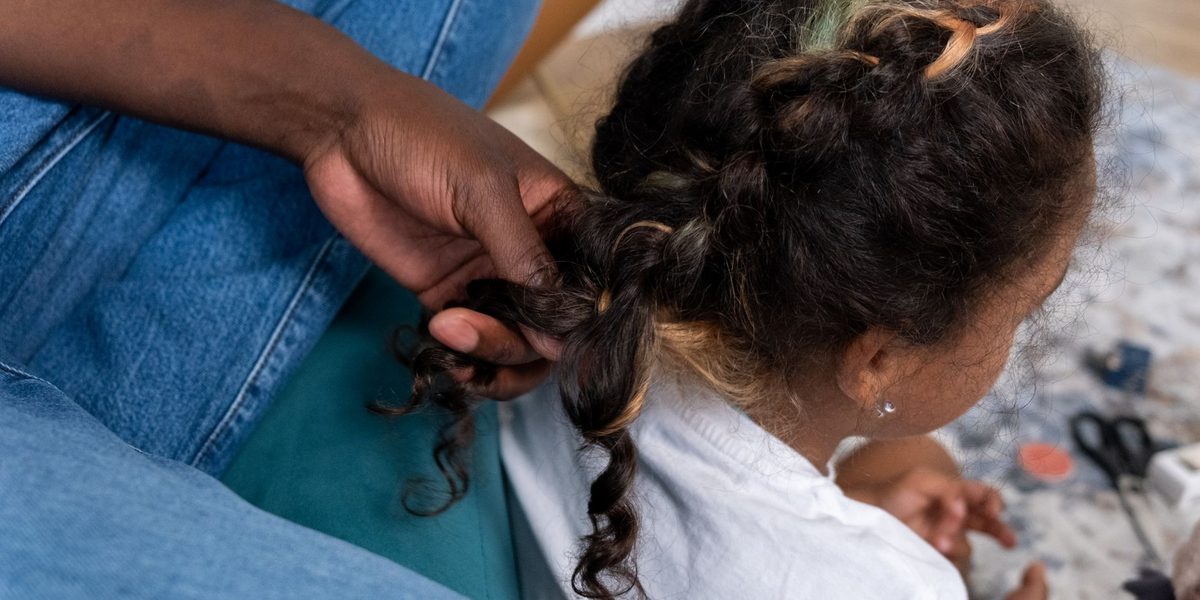
Waking up with soft waves you didn’t have to iron into existence feels like a small magic trick. Heatless styling — setting your hair before bed so it dries into shape overnight — is one of the oldest beauty ideas around, and it has never really gone out of style because it works, it costs nothing, and it spares your strands from heat damage. The best part is how many variations there are: braids, buns, twists, rolled scarves, even a bathrobe belt can become a styling tool. Here’s a whole menu of overnight ideas to experiment with, plus the little details that separate great morning hair from a lumpy surprise.
Start With the Right Dampness
The single biggest factor in overnight styling isn’t the technique — it’s moisture level. Hair sets as it dries, so it needs to be damp when you style it and fully dry by morning. Aim for hair that’s about eighty or ninety percent dry: think “fresh out of the shower an hour ago,” not “just toweled off.” Too wet, and you’ll wake up with damp, smushed sections that fall flat; too dry, and the shape won’t hold at all.
A light mist from a spray bottle is the easiest way to get there if your hair is already dry in the evening. Add a small amount of your usual leave-in or a drop of styling cream for grip — just enough to help the set hold, not enough to feel coated. Fine hair holds best with lighter products; thick or curly hair can handle richer creams.
It’s worth doing a weekend test run before you rely on any method for a big morning. Set your hair in the afternoon, check it after three or four hours, and you’ll learn exactly how your texture behaves — how damp is too damp, which sections dry slowest, and whether your hair prefers a tight set or a loose one. Ten minutes of experimenting saves you from ever discovering a failed set at seven in the morning.
Classic Braids for Beachy Waves
Braids are the beginner’s best friend because they’re nearly impossible to get wrong. The size and number of braids decides the outcome, which is where the fun starts.
- One loose braid: soft, barely-there bend — great for a subtle, polished look.
- Two classic braids: the beachy standard, with relaxed waves from about ear level down.
- Four to six small braids: tighter, springier waves with lots of volume.
- French or Dutch braids: the only versions that add wave at the roots too, since the braid starts at your crown.
Braid to the very ends and secure with small soft elastics, tucking the tail under if you want to avoid a straight, unwaved tip. In the morning, undo gently, flip your head over, shake at the roots, and rake through with fingers only — brushing turns waves into fluff.
The Robe-Tie Curl Trick
The bathrobe-belt method deserves its cult status. Lay a soft robe tie (or any long strip of fabric) over the top of your head so it hangs down both sides like long ribbons. Take a section of damp hair at the front, wrap it around the tie moving away from your face, adding more hair as you travel down — like a fabric version of a loose French twist — and secure the end with a scrunchie. Repeat on the other side.
Sleeping on it is comfortable because there’s nothing hard against your scalp, and the morning reveal is the best part: slide the tie out and unravel long, bouncy, curling-iron-style waves. For tighter curls, use two ties and four sections; for a softer bend, wrap more loosely. This is the method to try when you want that blowout-bar look without the blowout.
Buns, Twists, and Space-Saving Sets
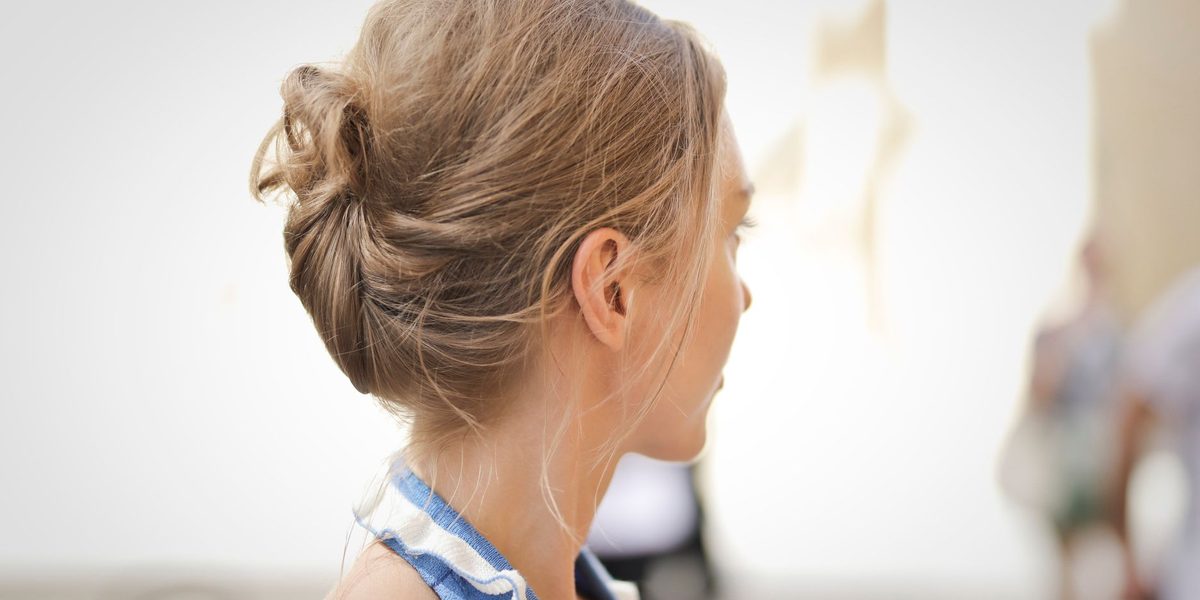
If braiding feels like too much effort at bedtime, buns and twists get you most of the way with less work. Two or three loose twists coiled into mini buns and secured with scrunchies give a soft, tousled wave. One high topknot — twisted, not braided — creates gentle body and bend through the lengths, and it keeps hair off your neck while you sleep.
Twists are also the gentlest option for wavy or curly natural textures: two-strand twists in four to eight sections overnight encourage clumped, defined curls in the morning. Whatever you choose, use soft fabric scrunchies rather than tight elastics, and position buns at the crown or top of your head so you’re not lying on a knot all night.
Sock Rollers and Other Household Tools
Before foam rollers existed, people rolled hair around whatever was soft and handy — and the idea still works beautifully. Clean cotton socks make excellent soft rollers: roll a two-inch section of damp hair around a rolled-up sock from ends to roots, then tie the sock’s ends together to hold it in place. Six to ten socks gives a full head of vintage-style volume and curl.
Strips of an old t-shirt work the same way for smaller, tighter curls — the classic rag-curl set. Paper towels twisted into ropes will do in a pinch. The common thread is softness: anything you can comfortably sleep on can be a roller. It’s a fun one to try before an event, and kids usually find the sock version hilarious, which makes it a sweet shared ritual too.
Placement changes the result with rollers just as it does with braids. Rolling sections away from your face gives that swept-back, glamorous shape, while rolling under creates a softer, retro bounce. Larger sections around bigger socks produce loose volume; skinny sections around t-shirt strips give defined spirals. Mix the two on one head — big rolls on top, smaller ones underneath — and you get a surprisingly professional-looking layered curl pattern.
Protect the Set While You Sleep
How you sleep matters almost as much as how you set. A silk or satin pillowcase lets hair glide instead of scrunching and frizzing against cotton. Even better, wrap your set in a silk scarf or bonnet — it holds everything in place, keeps braids from fuzzing, and protects the front sections that usually take the worst overnight beating.
If you’re a restless sleeper, choose styles that live on top of your head (topknots, crown braids, robe-tie wraps) rather than at the nape, where they’ll get crushed. And keep the bedroom cool: going to bed slightly damp under heavy blankets can leave hair damp at dawn, which undoes all your work.
Morning Reveal: Finishing Ideas
Unraveling is a gentle art. Take sets down slowly, without pulling, and resist the brush entirely. Separate waves with fingers, then flip your head upside down and shake lightly at the roots for volume. If waves feel too tight, smooth a drop of hair oil or a dab of lotion-light styling cream over the lengths and they’ll relax within the hour — tight morning waves almost always soften into perfect afternoon waves.
A tiny mist of flexible hairspray or a touch of texturizing spray helps the style last into day two. Speaking of which: day-two waves often look even better. Refresh them by re-twisting a few face-framing pieces around your finger with a drop of water, or sleep in one loose braid to carry the bend forward another night.
Final Thoughts
Heatless styling is the rare beauty idea that saves money, protects your hair, and requires nothing but a little bedtime planning. Start with the two-braid classic, then work through the robe-tie wrap, sock rollers, and twisted buns until you find your signature set. Once you’ve nailed the dampness level and learned to trust the finger-comb, waking up already styled becomes a habit that’s genuinely hard to give up.