Somewhere along the way, salad got a reputation as the sad little dish you eat before the real food arrives, or the meal you choose when you are being virtuous and slightly miserable. That reputation is entirely undeserved. A well-built salad can be one of the most satisfying dinners in your rotation, with layers of texture and flavor that a plate of pasta can only envy. The difference between a side salad and a true main course comes down to construction. When you know how to anchor a salad with protein, bulk it up with grains, and warm up key components, the bowl stops being an appetizer and starts being the whole show. Here is how to think about salads that genuinely keep you full.
Start with the Full-Meal Formula
Every satisfying dinner salad follows roughly the same blueprint, even when the flavors change completely. You need a base of greens or vegetables, a protein anchor that gives the meal staying power, a hearty element like grains, beans, or roasted vegetables, something crunchy, something rich, and a dressing that ties the whole thing together. Miss one of those layers and the salad feels like a snack. Hit all of them and it eats like dinner.
- Base: sturdy greens such as romaine, kale, or cabbage hold up better than delicate leaves.
- Protein anchor: grilled chicken, steak, shrimp, eggs, beans, lentils, or crispy tofu.
- Hearty layer: cooked grains, roasted potatoes or squash, corn, or chickpeas.
- Crunch: nuts, seeds, croutons, tortilla strips, or raw crisp vegetables.
- Richness: cheese, avocado, olives, or a creamy dressing.
Keep that checklist loose in your head and you can improvise a filling salad from almost any fridge on almost any night.
Protein Anchors: The Difference Between Snack and Supper
The protein is what convinces your appetite that this is a real meal, so give it real attention. Sliced grilled or pan-seared chicken is the workhorse, but it is far from the only option. Hard-boiled or jammy eggs turn a pile of greens into a bistro classic. Canned tuna or salmon, flaked over vegetables with olives and potatoes, makes a pantry salad that feels distinctly intentional. Beans and lentils bring the double benefit of protein and heft, and crisped chickpeas or golden-edged tofu cubes prove that plant-based anchors can carry a bowl on their own.
Two small habits make protein work harder for you. First, season it like it is the star, because a bland chicken breast will drag down even the prettiest bowl. Second, slice or crumble it so that some protein lands in nearly every bite, rather than sitting in one lonely pile on top.
Grains Turn Leaves into a Meal
If protein is the anchor, grains are the ballast. A scoop of cooked quinoa, farro, brown rice, barley, or couscous folded through a salad changes its whole character, adding chew, warmth, and the kind of slow satisfaction that plain greens cannot offer. The grain does not need to dominate. Even a modest handful shifts the bowl from light to lasting.
Grain salads also happen to be brilliant for planning ahead. Cook a pot of your favorite grain early in the week and it becomes the starting point for several different dinners: one night tossed with kale, roasted vegetables, and a lemony dressing, another folded into a taco-style bowl with beans and salsa. Sturdier grains hold dressing overnight without going soggy, which makes them the rare salad component that improves as leftovers.
The Warm Component Trick
Here is the move that separates memorable dinner salads from forgettable ones: put something warm on top of something cool. Warm roasted vegetables wilting slightly into fresh greens, hot crispy chicken over cold crunchy romaine, a just-seared piece of salmon resting on a chilled cucumber and herb salad. The temperature contrast makes every bite more interesting, and psychologically, warmth is a big part of what makes a meal feel like a meal.
Practical warm additions include roasted sweet potatoes or squash, sautéed mushrooms, grilled corn, wilted greens folded in at the last moment, and pan juices whisked straight into the dressing. Even something as simple as warm croutons torn from a toasted piece of bread can do the trick. In colder months, this is the secret to craving salads all year instead of only in summer.
Concept Salads Worth Stealing
Sometimes the easiest way to build a great bowl is to borrow the flavor logic of a dish you already love. The steakhouse salad translates a classic dinner into one bowl: sliced seared steak over crisp romaine or wedge-style iceberg, with tomatoes, crumbled blue cheese, crispy onions, and a creamy peppercorn-style dressing. It is indulgent, satisfying, and faster than cooking the full steak dinner it imitates.
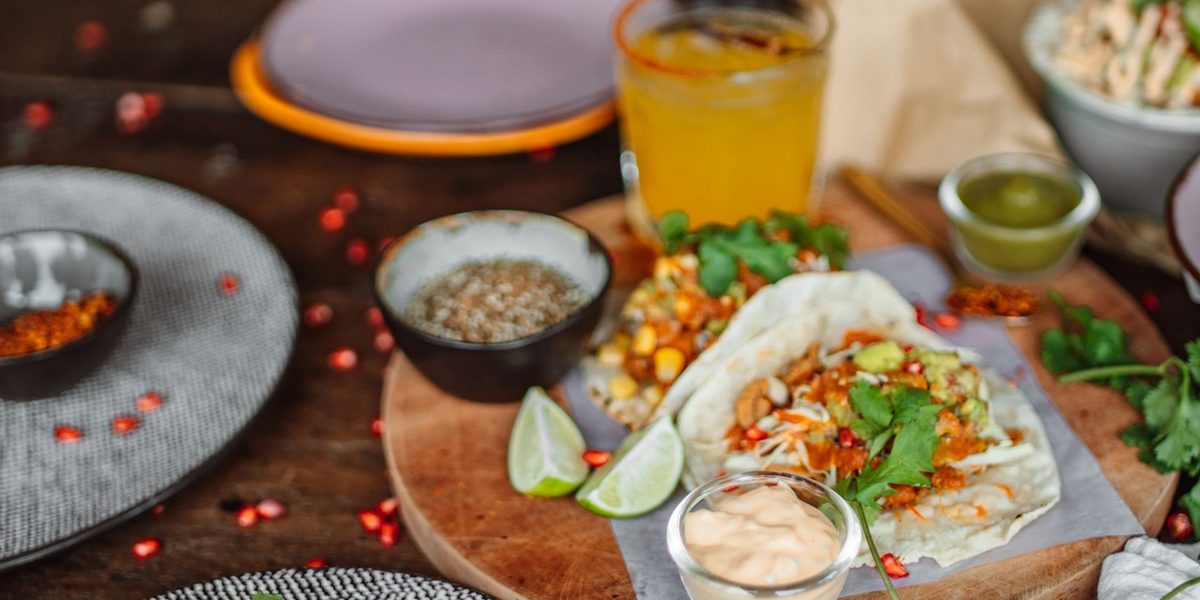
The taco salad follows the same principle with seasoned ground meat or spiced beans over shredded lettuce, plus corn, cheese, tomatoes, avocado, and crushed tortilla chips, finished with a lime-spiked creamy dressing or just a generous spoonful of salsa. And the harvest salad is the autumn hero: kale or mixed greens topped with roasted squash or sweet potato, apples or pears, dried cranberries, toasted nuts, and a tangy cheese, all under a maple-mustard vinaigrette. Once you see the pattern, in which a beloved flavor profile becomes a bowl, you can convert nearly any favorite meal into salad form.
Pair the Dressing Like a Sauce
Dressing is not an afterthought; it is the sauce of the dish, and it should be matched to the salad the way you would match a sauce to pasta. Rich, hearty salads with steak or bacon-style toppings can handle bold, creamy dressings such as blue cheese, ranch-style, or Caesar-style. Grain-heavy and roasted-vegetable bowls sing with sharper vinaigrettes, since the acid cuts through all that earthiness. Delicate greens and fruit-forward salads want something light and slightly sweet, like a honey-citrus vinaigrette.
A reliable homemade vinaigrette needs only oil, an acid like vinegar or citrus, something punchy like mustard or garlic, and a touch of sweetness, shaken in a jar. Taste it on a leaf, not a spoon, because dressing always tastes stronger alone than it does on the salad. And dress sturdier elements first, letting grains and roasted vegetables soak up flavor before the greens join the party.
Texture Is What Keeps You Coming Back
The final mark of a great main-course salad is that no two bites are identical. Texture does the heavy lifting here. Aim for at least three different textures in every bowl: something crisp, something creamy, and something chewy. Toasted nuts and seeds, crunchy raw fennel or radish, creamy avocado, chewy dried fruit, crumbled cheese, and crispy fried shallots all earn their place.
This is also where leftovers shine. A handful of leftover roasted potatoes, the last of a rotisserie chicken, or a spoonful of yesterday's grains can each supply a texture layer with zero extra cooking. Keep a few jars of crunchy extras in the pantry and the texture problem essentially solves itself.
Final Thoughts
A salad that keeps you full is not an accident, and it is not about piling the bowl higher. It is about layers: a real protein anchor, a hearty grain or roasted element, a warm component when the weather asks for it, a dressing chosen like a sauce, and enough texture to keep every forkful interesting. Build with that framework and the word salad stops meaning sacrifice. It starts meaning one of the fastest, most flexible, most genuinely satisfying dinners you know how to make. Try one concept bowl this week, notice which layers you loved most, and let that discovery shape the next one.