When the weather turns cold, something in us starts craving a pot on the stove. Soup is the original comfort food, and it may also be the most forgiving thing you can cook. There is no single right way to make it, no strict formula to follow, and almost no way to truly ruin it. That freedom is exactly why soup season deserves more than the same two recipes on repeat. Instead of thinking in recipes, try thinking in styles and moods. Do you want something silky and soothing, something slurpable and steaming, or something so hearty it barely counts as liquid? Here is a tour of soup concepts to carry you through the cold months, with ideas for making each style your own.
Creamy Blended Soups for Quiet Nights
Some evenings call for a soup that feels like a soft blanket. Creamy blended soups deliver that mood, and the concept behind them is beautifully simple: cook a vegetable until tender in broth with aromatics, then blend until smooth. Almost any vegetable can star. Tomatoes become the classic partner for a grilled cheese. Butternut squash or pumpkin turns velvety and faintly sweet. Broccoli welcomes a handful of sharp cheese. Cauliflower blends so creamy that people assume there is heavy cream involved even when there is not.
The fun is in the accents. A swirl of cream or coconut milk adds richness. A pinch of warm spice, such as nutmeg with squash or smoked paprika with tomato, gives the bowl a signature. And texture on top matters more than you might think: crunchy croutons, toasted seeds, or a drizzle of good olive oil keep every spoonful interesting. Pick a vegetable languishing in your crisper drawer and you have tomorrow's dinner concept already.
Brothy Noodle Bowls That Steam Up Your Glasses
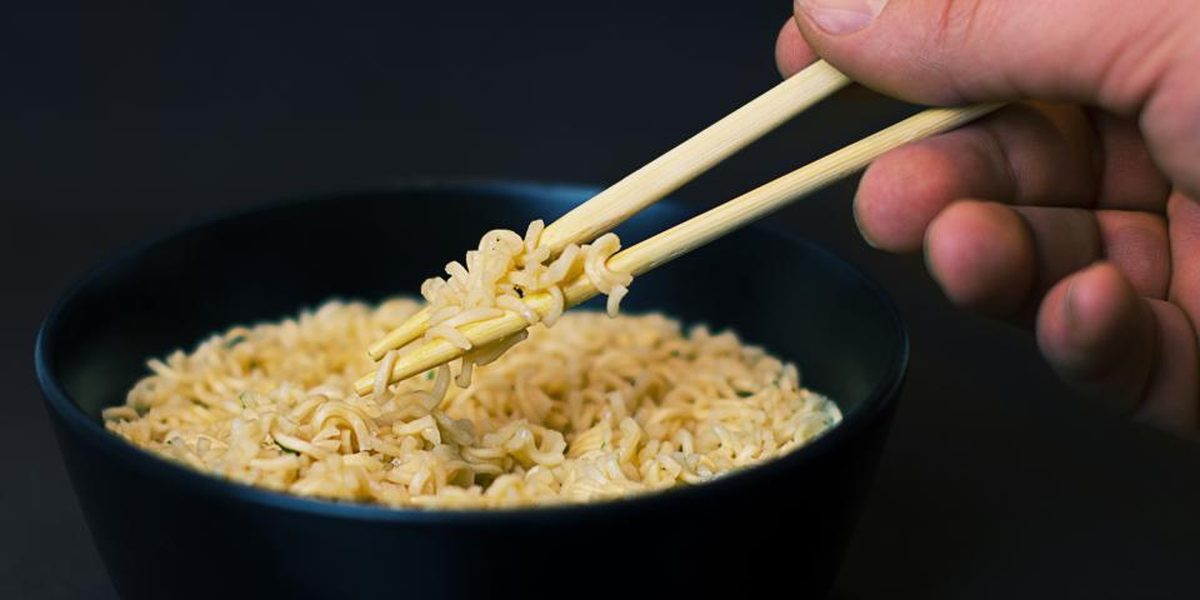
At the other end of the spectrum lives the brothy noodle bowl, which is less a recipe and more an event. The heart of this style is a deeply flavored broth, and you can coax that flavor in easy ways: simmer broth with smashed garlic, sliced ginger, and a splash of soy sauce, or let miso or a spoonful of curry paste do the heavy lifting. Once the broth tastes like something you would happily sip alone, the rest is assembly.
Cook noodles of any kind, whether wheat noodles, rice noodles, or even plain spaghetti in a pinch, and nestle them into bowls. Ladle the hot broth over, then crown each bowl with quick additions: a soft egg, shredded chicken, tofu cubes, spinach that wilts on contact, sliced scallions, a scatter of chili flakes. Everyone at the table can dress their own bowl differently, which turns a simple dinner into something that feels like eating out. On the coldest nights of the season, few things compete with lifting noodles out of steaming broth.
Hearty Stews and Chunky Classics
When hunger is serious, soup thickens into stew territory, where the spoon practically stands upright. This is the realm of slow-simmered beef and root vegetables, rustic chicken and dumplings, and rich tomato-based vegetable stews that taste like they took all day even when they did not. The defining move of this style is patience: browning meat well at the start, letting onions cook until golden, and giving the pot time to let flavors merge.
Bean-based bowls belong here too and are perfect when you want hearty without meat. A pot of white beans with rosemary and garlic, a smoky black bean soup finished with lime, or a lentil stew spiced with cumin and coriander can anchor a whole week of lunches. Stews also happen to be the best make-ahead soups of all, since nearly every one of them tastes better on the second day after the flavors have had a night to get acquainted.
Chowder-Style Comfort in a Bowl
Chowder occupies its own beloved corner of the soup world: creamy like a blended soup but deliberately chunky, usually anchored by tender potatoes. The concept is flexible far beyond the seafood classics. Corn chowder is a sweet, satisfying standby. Potato chowder loaded with cheese and chives eats like a baked potato in spoonable form. A chicken chowder with corn and peppers lands somewhere between soup and pot pie filling, in the best way.
Two small moves define the style. First, cut your main ingredients into spoon-friendly pieces so every bite has variety. Second, build gentle creaminess, whether by stirring in milk or cream near the end, blending just a cup of the soup and returning it to the pot, or mashing a few of the potatoes against the side. Something smoky or salty scattered on top, along with a shower of fresh herbs, finishes the bowl beautifully.
Light Soups That Still Feel Like Winter
Not every cold-weather craving wants heavy. Between holiday feasts and rich dinners, a lighter soup can be exactly right while still feeling seasonal. Think of a lemony chicken and rice soup brightened at the last minute with fresh juice, a delicate egg-ribbon soup that comes together in minutes, or a garlicky greens and white bean soup that manages to be both virtuous and comforting.
The trick with lighter soups is compensating with aroma and brightness. Lean on fresh herbs stirred in at the end, plenty of garlic and ginger, a hit of citrus, or a spoonful of pesto melted into each bowl. These soups prove that cozy is a feeling, not a calorie count, and they make wonderful starters when something heartier follows.
Build a Soup Topping Bar
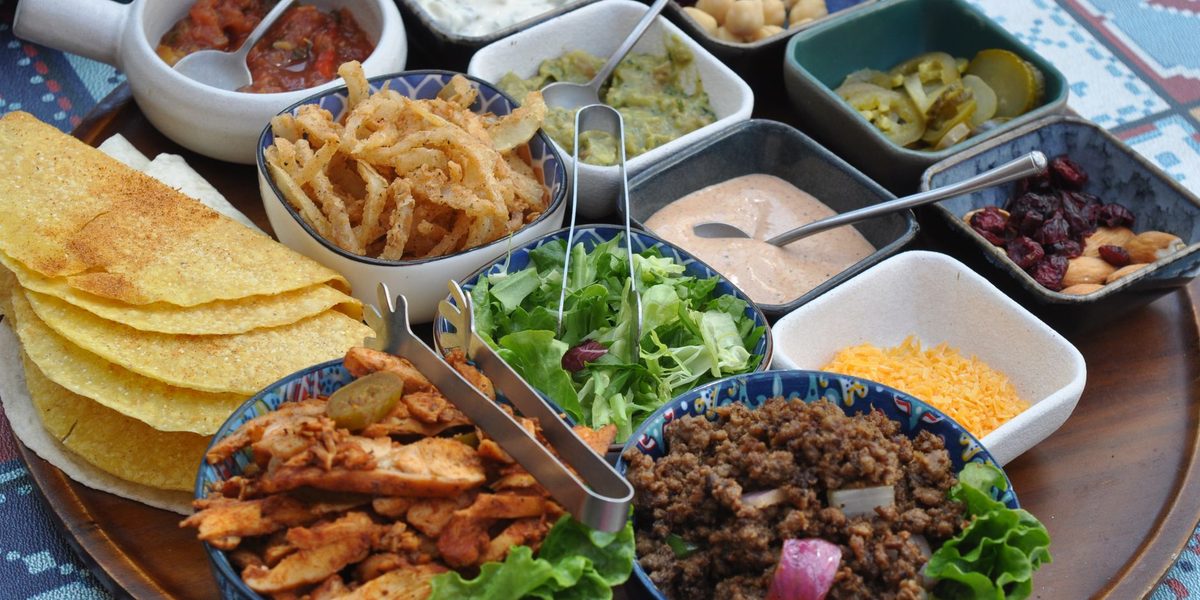
Here is an idea that turns any soup night into an occasion: serve the pot plain and let toppings do the talking. A topping bar transforms one soup into a dozen personalized bowls, and it is especially good for families where no two people ever want quite the same thing.
- Crunchy: croutons, crushed crackers, tortilla strips, toasted nuts or seeds, crispy fried onions.
- Creamy: sour cream, plain yogurt, shredded or crumbled cheese, diced avocado.
- Fresh: chopped cilantro or parsley, sliced scallions, quick-pickled onions, lime or lemon wedges.
- Fiery: chili crisp, hot sauce, pickled jalapeños, cracked black pepper.
Set out three or four small bowls of extras and watch even a simple pot of bean soup become interactive. Children who claim to dislike soup are often converted by the power of choosing their own toppings.
Simple Habits of Happy Soup Makers
A few loose habits make the whole season smoother. Save vegetable trimmings and chicken bones in a freezer bag until you have enough for a quick homemade broth. Taste before serving, because most homemade soups need one final adjustment, usually salt or a splash of acid, to snap into focus. Cook larger batches than you need and freeze portions flat in bags, building a personal library of ready meals for the busiest nights.
And remember that soup rewards improvisation more than nearly any other dish. Missing an ingredient? Substitute. Have a lonely vegetable? Add it. The pot is patient, and the worst outcome is usually still a warm dinner. Every batch teaches you a little more about what you like, which makes the next one even better.
Final Thoughts
Soup season is really an invitation to slow down and let one pot do the work. With a handful of styles in your repertoire, including creamy and blended, brothy and slurpable, thick and hearty, chunky chowders, and bright lighter bowls, you can match dinner to whatever the day calls for. Add a topping bar for fun and a freezer stash for insurance, and the cold months stop being something to endure. They become an excuse to keep something wonderful simmering.