Every cook knows the moment: it is dinnertime, the fridge offers a jar of mustard and half a lemon, and the grocery store might as well be on the moon. This is exactly when a thoughtfully stocked pantry turns from background storage into the hero of the evening. Shelf-stable staples — canned beans and tomatoes, pasta, rice, broth, a tin of fish — can become genuinely good dinners, not sad compromises, once you know the moves. Here are ideas for cooking confidently from the cupboard, plus the flavor boosters that make it all taste intentional.
Learn the Pantry Formula: Starch, Protein, Flavor
Nearly every satisfying pantry meal is the same three-part equation wearing different outfits: a starch for substance (pasta, rice, couscous, tortillas, even crackers), a protein for staying power (canned beans, lentils, canned fish, peanut butter, shelf-stable tofu), and a flavor engine to make it taste like dinner (canned tomatoes, broth, soy-style sauce, curry-style paste, salsa, olives, dried spices).
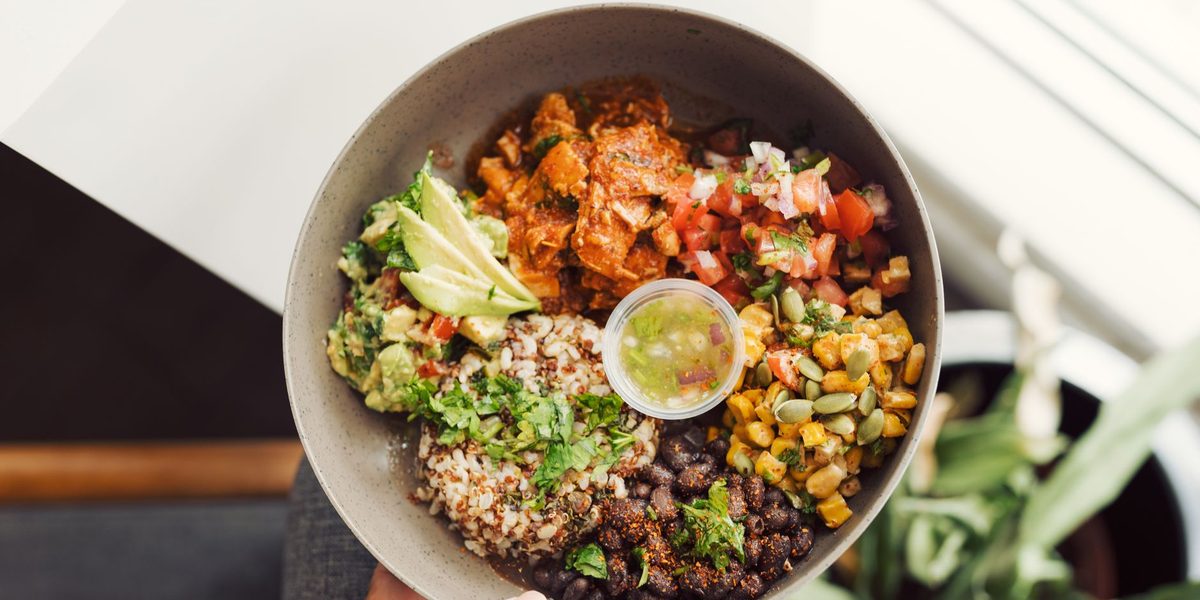
Once you see the formula, the bare-fridge panic disappears. Rice plus beans plus salsa is a burrito bowl. Pasta plus canned tomatoes plus garlic and chili flakes is a classic. Couscous plus chickpeas plus olives and lemony dressing is a grain salad. You are not inventing a meal from nothing — you are just filling in three blanks, and the pantry almost always has at least one candidate for each.
Give Beans the Respect They Deserve
Canned beans might be the most quietly powerful ingredient on the shelf: fully cooked, endlessly adaptable, and happy in almost any cuisine's direction. White beans simmered with broth, garlic, and rosemary-style herbs become a rustic stew that tastes far fancier than its ingredients — especially ladled over toast. Black beans warmed with cumin and a splash of vinegar make taco or quesadilla filling in minutes. Chickpeas roasted until crispy turn into a crunchy topping or snack, while the same can mashed with whatever creamy element you have becomes a sandwich spread in the tuna-salad spirit.
The bean upgrade nobody talks about: use the simmering liquid deliberately. Beans cooked briefly in broth with aromatics, then partially mashed, create their own creamy sauce — no dairy required. A pot of brothy beans with a drizzle of olive oil and a handful of pasta or rice stirred in is a complete, deeply comforting dinner from four shelf items.
Pasta Night, Entirely From the Cupboard
Pasta is the pantry's showpiece because the sauces hiding on your shelves are better than you think. Canned tomatoes plus garlic, olive oil, and a pinch of sugar simmer into a marinara-style sauce that beats most jars. A tin of tuna, olives, capers, and tomatoes leans into a bold, briny direction that tastes like a seaside vacation. Olive oil, garlic, and chili flakes alone make the famous minimalist classic, and peanut butter whisked with soy-style sauce and a splash of vinegar turns noodles into a takeout-style peanut bowl.
Do not forget the finishing move that costs nothing: a splash of starchy pasta water stirred into any of these sauces makes them cling silkily to the noodles. Toasted breadcrumbs — just stale bread crisped in a pan with oil — stand in for cheese with surprising swagger when the fridge offers none.
Rice and Broth: Comfort From Two Humble Staples
Rice and broth together unlock the cozy end of the pantry spectrum. Simmer rice in broth instead of water and it becomes a side that needs nothing else. Push further and you reach soup territory: broth, rice, canned vegetables or beans, and generous seasoning make a restorative bowl on the first cold night of the season. Keep going and you arrive at a risotto-style comfort dish, where rice cooked slowly in ladles of broth turns creamy through nothing but patience and stirring.
Fried rice thinking works here too, even without fresh vegetables: leftover or freshly cooked rice crisped in a hot pan with oil, seasoned with soy-style sauce and whatever canned or dried extras you have — peas, corn, even chopped nuts — becomes a scrappy, satisfying skillet dinner. If you keep eggs on hand, one cracked in makes it feel complete, but the concept stands on its own.
Canned Fish Deserves a Comeback
A tin of tuna or salmon is the pantry's secret protein weapon, and it can do far more than mayo-heavy sandwich filling. Flake it into that tomato-olive pasta for an instant briny upgrade. Fold it with mashed beans, dried herbs, and breadcrumbs into crispy pan-fried patties. Toss it with couscous, olives, and a lemony dressing for a no-cook grain salad, or lay it over rice with a drizzle of soy-style sauce and chili flakes for a minimalist rice bowl that feels almost elegant.
If your pantry ambitions run further, tinned sardines and other preserved fish reward the curious — mashed on toast with mustard, or tossed with pasta, garlic, and lemon. The pattern is always the same: the fish brings richness and salt, the starch brings comfort, and one bright element ties the two together.
Flavor Boosters Worth Their Shelf Space
The real difference between a bland pantry meal and a memorable one is a small squad of high-impact flavor boosters. None of them make a meal alone, but each one transforms whatever it touches.
- Acids: vinegars and preserved lemon-style condiments wake up anything that tastes flat.
- Umami hitters: soy-style sauce, fish sauce, tomato paste, dried mushrooms, and nutritional yeast add depth that mimics long cooking.
- Heat and smoke: chili flakes, hot sauce, smoked paprika, and chipotle-style peppers give one-note dishes a spine.
- Briny things: olives, capers, and pickled peppers deliver instant complexity.
- Rich finishes: good olive oil, tahini, peanut butter, and coconut milk turn simple starches into sauces.
- Aromatics that keep: garlic, onions, and ginger technically live outside the cupboard door but store for weeks and multiply everything else.
A useful habit: when a pantry meal tastes almost right, add one acid and one umami hitter before anything else. Nine times out of ten, that is the whole fix.
Stock Like Future You Is Hungry
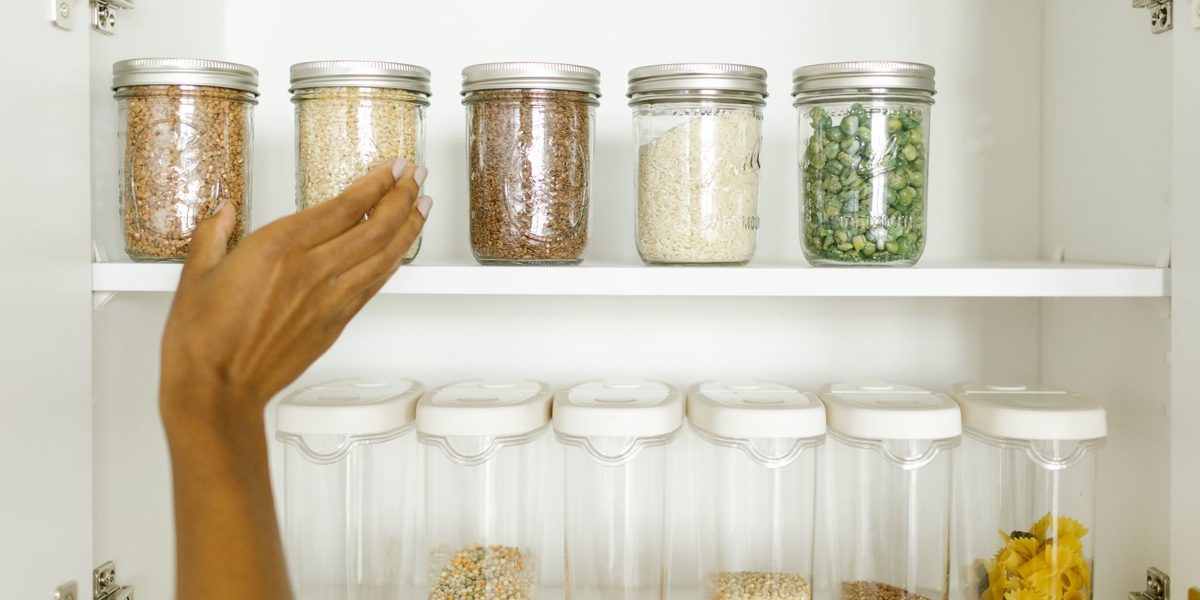
Great pantry meals start weeks earlier, in small buying habits. Each grocery trip, add one or two backup staples beyond the week's needs — an extra can of tomatoes, another bag of rice, one new flavor booster to experiment with. Arrange the shelves so the formula is visible at a glance: starches together, canned proteins together, flavor engines together. When you use something, note it for replacement, so the safety net never quietly develops holes.
It also helps to keep a mental — or literal — list of your three proven bare-fridge dinners, the ones your household already likes. On the truly tired nights, you do not want options; you want a default. Pantry cooking works best as a rehearsed act, not an improvisation under pressure. Try running one deliberate pantry-only night each week even when the fridge is full — it keeps the shelf rotation fresh, sharpens your instincts, and turns the emergency skill into a comfortable routine long before you actually need it.
Final Thoughts
A bare fridge is not a crisis; it is an invitation to cook a different way. With the starch-protein-flavor formula in your head and a handful of boosters on the shelf, canned beans, pasta, rice, broth, and tinned fish become the raw material for dinners you would happily serve to company. Stock a little at a time, rehearse a few favorites, and the next time the fridge offers nothing but condiments, you will already know exactly what is for dinner.