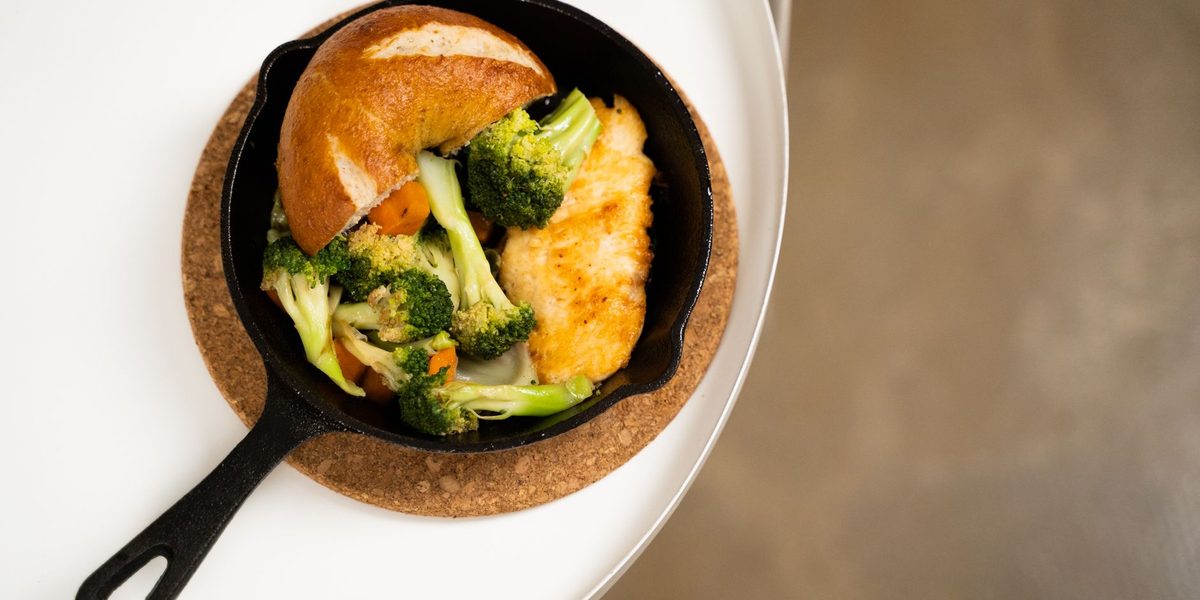
Some nights the real obstacle to cooking is not the cooking at all — it is the tower of pots, pans, and utensils waiting on the other side of dinner. One-pan meals solve the problem at the source: everything cooks together in a single vessel, flavors mingle instead of staying politely separate, and cleanup shrinks to one pan and a spatula. Whether your weapon of choice is a sheet pan, a big skillet, a soup pot, or a square of foil, here are ideas to keep the food interesting and the sink nearly empty.
Sheet-Pan Suppers: Let the Oven Do Everything
The sheet pan is the easiest entry into one-pan cooking because the method never changes: arrange a protein and vegetables on a rimmed pan, coat everything with oil and seasoning, and roast until browned and done. What changes is the personality. Sausage with peppers, onions, and baby potatoes makes a hearty, no-thought classic. Lemony chicken thighs with broccoli and red onion feel brighter. Glazed salmon alongside green beans and cherry tomatoes turns fancy with zero extra effort, and a whole pan of seasoned chickpeas, cauliflower, and sweet potatoes makes a satisfying meatless night, especially with a drizzle of creamy sauce at the table.
Two ideas elevate any sheet-pan supper. Give everything space — a crowded pan steams instead of browns, and browning is where the flavor lives. And think about a finishing flourish: a shower of fresh herbs, a squeeze of citrus over the hot pan, or a scatter of crumbled cheese makes roasted-anything taste deliberate rather than dumped.
Sheet pans also love a theme night. Rotate a Mediterranean-leaning pan of chicken, olives, and tomatoes one week, a maple-mustard pork and root vegetable pan the next, then a fajita-style spread of peppers, onions, and seasoned strips served with warm tortillas. Same pan, same method, completely different dinner — which is exactly why sheet-pan cooking never has to get boring.
Pair Things That Finish at the Same Time
The secret to one-pan success is matchmaking: choosing a protein and vegetables that want the same amount of time and heat. Quick-cooking proteins like shrimp, fish fillets, and thin chicken cutlets belong with quick vegetables — asparagus, zucchini, snap peas, cherry tomatoes. Slower proteins like bone-in chicken, sausages, and pork tenderloin can keep company with sturdier partners such as potatoes, carrots, winter squash, and cabbage wedges.
When you love a mismatched pair, stagger instead of abandoning the idea: start the slow half first, then add the fast half partway through. Cutting vegetables smaller speeds them up, leaving them chunky slows them down, so the knife is your timing dial too. Once this instinct clicks, you can invent combinations on the fly from whatever the fridge offers — that is when one-pan cooking stops being a recipe genre and becomes a life skill.
Skillet Dinners That Go From Stove to Table
A large skillet is the one-pan format with the most range, because you can brown, simmer, and serve in the same vessel. Classic moves include a creamy chicken-and-rice concept where the rice simmers right in the pan, drinking up all the flavorful drippings; a hash built from crispy potatoes, whatever vegetables need using, and eggs cracked on top to finish; and a quick taco-style skillet of seasoned ground meat or beans folded with rice, corn, and cheese until melty.
Stir-fries deserve special mention: high heat, quick-cooking pieces, and a simple savory sauce added at the end turn nearly any protein-vegetable pairing into dinner in minutes. And do not overlook breakfast-for-dinner — a frittata concept, where beaten eggs pour over sautéed vegetables and set gently, might be the single most useful skillet idea for clearing out a produce drawer. Bring the pan straight to the table on a trivet; a skillet dinner served from the skillet always feels a little rustic and generous.
One-Pot Pastas: The Noodles Cook in the Sauce
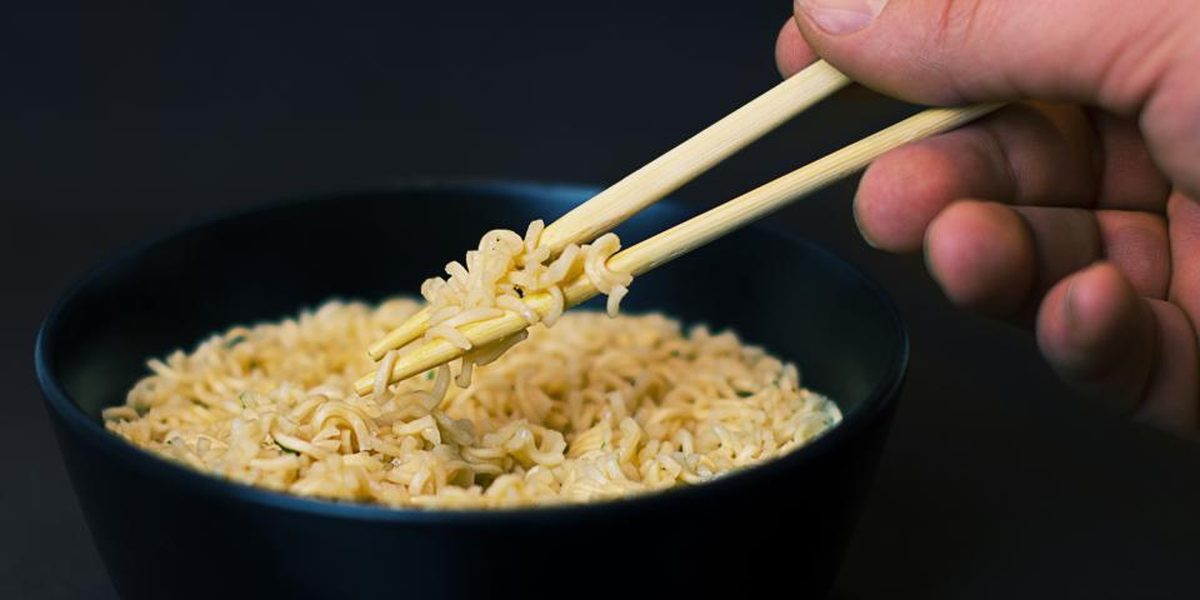
One-pot pasta feels like a cheat the first time it works: dry pasta, liquid, and flavorings simmer together in a single pot, and the starch the noodles release turns the cooking liquid into a silky sauce all by itself. From that base concept, the variations spread out in every direction — a tomato-basil version with garlic and a finish of parmesan-style cheese, a creamy mushroom-and-spinach direction, a lemony chicken-and-broccoli pot, or a spicy sausage-and-kale combination for cold nights.
The idea-level guidelines are simple: use enough liquid to just cover the pasta, stir now and then so nothing sticks, and add delicate ingredients like greens, cream, or cheese at the end. Because everything cooks together, the pasta tastes seasoned from within rather than sauced from above — and the only dish to wash is the pot you ate out of, if you were feeling truly rebellious.
The same everything-in-one-pot thinking extends beyond noodles. Rice-based skillet dinners, brothy beans simmered with greens and finished with cheese, and cozy risotto-style pots where the grain drinks the liquid slowly all live on this branch of the family tree. Once you trust the principle — starch, liquid, and flavor cooked as one — you will start spotting one-pot possibilities everywhere.
Foil Packets: Dinner in an Envelope
Foil-packet cooking is one-pan dinner at its most playful. Each portion of protein, vegetables, seasoning, and a little fat or sauce gets sealed in its own foil parcel, then baked or grilled until everything steams together in its private flavor chamber. Fish with lemon, herbs, and thin zucchini is the classic. Shrimp with corn, sausage, and potatoes makes a boil-style packet without the giant pot. Chicken with barbecue-style sauce and peppers, or a garlicky mushroom-and-potato packet for the vegetarians, round out the repertoire.
Packets shine for households with divided tastes, since every parcel can be customized — more spice in one, no onions in another — and kids genuinely enjoy building their own. They travel beautifully to campfires and cookouts, too, which makes them worth practicing at home before the next outdoor gathering. Serve each packet on a plate and let everyone open their own steamy envelope; cleanup is crumpling foil, which is arguably the most satisfying dish-washing alternative ever devised.
Round It Out Without Dirtying Another Dish
A one-pan main only stays a one-pan meal if the sides do not create their own pile of dishes, so lean on accompaniments that need no cooking at all.
- Bread as the side: a crusty loaf, warmed rolls, or flatbread mops up pan juices better than any spoon.
- Bagged salad with upgrades: greens plus a quick dressing shaken in a jar, topped with nuts or cheese, feels intentional in two minutes.
- Cool and creamy counterpoints: yogurt-based sauces, hummus, or sliced avocado balance anything roasted or spicy.
- Pickled and briny bits: olives, pickles, or quick-pickled onions add brightness with zero cleanup.
- Fruit for dessert: ending with something you can eat out of hand keeps the streak alive.
Building the pan itself around a starch — potatoes on the sheet pan, rice in the skillet, noodles in the pot — also means the meal arrives complete, no supporting dishes required.
Final Thoughts
One-pan dinners prove that lazy and delicious are not opposites — they are teammates. Keep the four formats in rotation so the approach never gets stale: sheet pan when you want hands-off roasting, skillet when you want speed, one-pot pasta when you want comfort, and foil packets when you want fun. Learn the finish-together pairing instinct, stock a few no-cook sides, and the nights you refuse to wash extra dishes might quietly become the nights you eat best.