Snacks have a reputation problem. Depending on who you ask, they are either the downfall of healthy eating or a beloved food group of their own. The truth sits comfortably in between: snacking is neither good nor bad — it is a tool, and like any tool, results depend on how you use it. A well-chosen snack bridges the long gap between meals, steadies your energy, and keeps you from arriving at dinner ravenous enough to eat the table. A poorly chosen one delivers a quick spark and a slow slump. The difference comes down to a few learnable habits: what you pair, what you prep, and what sits within arm's reach when hunger strikes. Here are smart, realistic snack ideas for keeping your energy on an even keel — no forbidden foods, no complicated rules. For guidance tailored to your health situation, a doctor or registered dietitian is always the right resource.
The Pairing Principle
If you remember one idea from this entire article, make it this: pair something with staying power alongside something satisfying. Snacks built purely from quick-burning carbohydrates — crackers alone, a plain pastry, a handful of sweets — tend to lift you briefly and drop you soon after, sending you back to the cupboard within the hour. Adding protein, fiber, or healthy fats slows the ride and stretches the satisfaction.
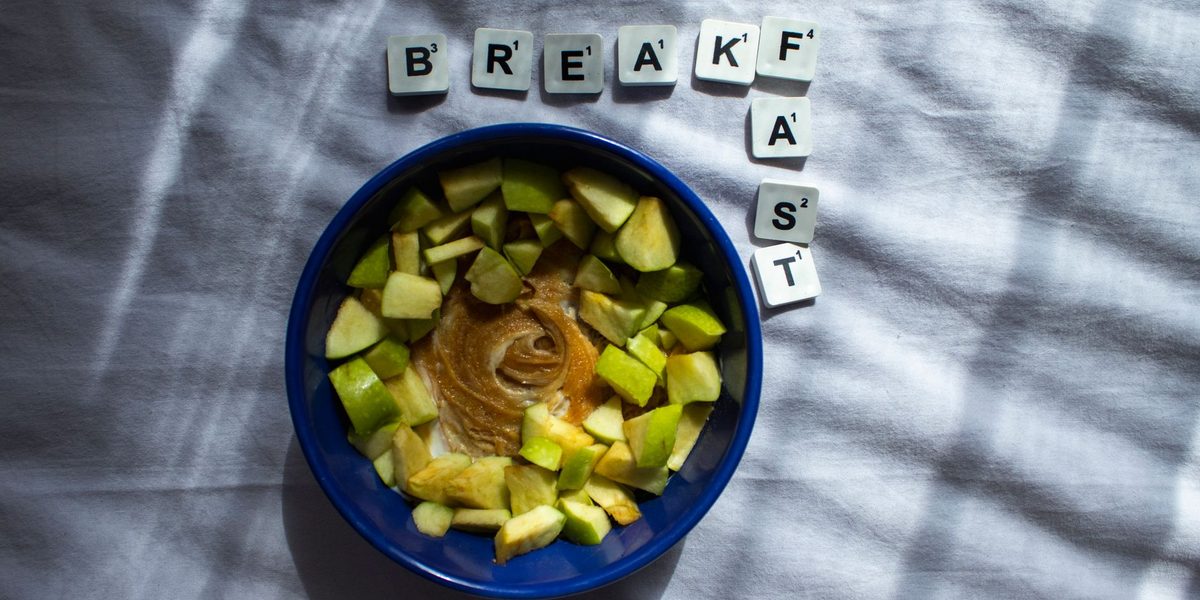
In practice the formula is simple: take the thing you were going to eat and give it a partner. Apple slices get peanut butter. Crackers get cheese or hummus. A banana gets a small handful of almonds. Toast gets mashed avocado or a smear of nut butter. Yogurt gets berries and a sprinkle of oats. None of these pairings demands cooking, and each transforms a fleeting nibble into a small, steady meal-in-miniature that carries you comfortably to the next real meal.
Stock a Smart Snack Roster
Good snacking starts at the grocery store, not at the moment of hunger. Keep a reliable roster of building blocks on hand and the pairing principle almost runs itself. Worthy staples include:
- Fresh fruit that travels well — apples, bananas, oranges, grapes; wash and display them where they will be seen.
- Crunchy vegetables — carrots, cucumbers, peppers, celery; even better already sliced.
- Protein anchors — plain or Greek yogurt, cheese, hard-boiled eggs, hummus, cottage cheese.
- Nuts and seeds — almonds, walnuts, pumpkin seeds; endlessly portable and satisfying in modest handfuls.
- Whole-grain bases — whole-grain crackers, oatcakes, popcorn, or bread for quick toast.
With five categories represented in your kitchen, dozens of combinations are always in reach, and the question what can I snack on? always has several good answers before it ever finds a bad one.
Prep Ahead, Snack Better
The snack you eat is almost always the snack that was easiest to grab. That single fact explains most snacking regret — and hands you the fix. Ten minutes of preparation, once or twice a week, rearranges the convenience contest in your favor. Slice the vegetables and park them at eye level in the fridge beside the hummus. Portion nuts into small containers so the satisfying handful is pre-measured. Boil half a dozen eggs. Wash the grapes. Assemble a few little jars of yogurt and berries.
Then apply the same logic in reverse: keep the treats you tend to overrun in less convenient places — a high shelf, an opaque tin, the back of the pantry. Nothing is banned; the chips are still there for the evening you truly want them. But when convenience favors the better options, the better options win most of the ordinary moments, and most-of-the-time is exactly where energy and eating patterns are made.
Time Snacks to Serve Your Energy
Smart snacking is as much about when and why as what. The most useful snack is the one placed in a genuine gap — when lunch is four or five hours behind you and dinner is still distant, a modest bridge keeps energy level and prevents the evening arrive-starving-and-inhale-everything pattern. If your meals sit close together, you may need little more than a piece of fruit, or nothing at all; there is no rule that hours must contain snacks.
The famous mid-afternoon slump deserves special mention. Before assuming it calls for sugar, run a quick diagnostic: Are you thirsty? Slightly stiff from sitting? Overdue for daylight? A glass of water, a five-minute walk, or a stretch often revives more than a vending-machine visit — and pairs beautifully with a real snack if hunger is genuinely present. Boredom, stress, and procrastination also love to impersonate hunger; a brief pause to ask would an apple satisfy me right now? sorts the impostors quickly. If the answer is no, the craving is probably about something other than fuel.
Pack Snacks for the Road, Desk, and Bag
Hunger away from home is where snack intentions go to die — unless you plan for portability. Build a small kit for the places you actually get hungry: a desk drawer with nuts, oatcakes, and a jar of nut butter; a bag pouch with a couple of shelf-stable options; a car stash for errand days (choosing items that tolerate temperature swings, like nuts or dried fruit rather than anything melty).
Refresh the kits as part of your grocery routine so they never quietly run dry. When you know an unusually long stretch is coming — travel, a marathon of meetings, a day of appointments — pack the bridge snack deliberately, the way you would pack a phone charger. The habit costs thirty seconds and spares you both the gas-station dinner-substitute and the cranky, depleted arrival home. Portable snacking is less about discipline than logistics: the person with almonds in their bag simply has better options than the person without. Kids' outings run on the same rule — a small container of fruit and crackers packed by the door has rescued more afternoons than any parent can count, and it works just as well for the adults doing the packing.
Keep Snacking Honest and Enjoyable
A few gentle guardrails keep snacking working for you. Portion consciously rather than grazing from full-size packages — a bowl or small container gives the snack a visible beginning and end. Sit for a moment and actually taste it; a snack eaten with two minutes of attention satisfies far more than the same snack inhaled mid-scroll. Watch liquid snacks too: sweet drinks slip past fullness signals entirely, so water, sparkling water, or tea alongside a real snack usually serves energy better.
And keep pleasure in the picture. A square of good chocolate after lunch, enjoyed deliberately, is a fine snack habit; rigid virtue that collapses into evening raids is not. The goal is a pattern you can happily keep — mostly nourishing, occasionally indulgent, never frantic. If you find snacking feels out of control, or you have questions about how snacks fit a specific health goal, that conversation belongs with a doctor or dietitian, who can tune the details to you rather than to a rule of thumb.
Final Thoughts
Smart snacking comes down to a handful of quiet habits: pair for staying power, stock the good stuff, prep it into arm's reach, time it to real gaps, and pack it for the road. Choose two of those habits and put them to work this week — perhaps the pairing principle and one round of Sunday slicing. The payoff arrives quickly and undramatically, exactly as it should: an afternoon that no longer sags, a dinner approached calmly, and energy that carries you evenly from breakfast to bedtime.