A bath is the rare luxury that’s already plumbed into your home, waiting behind a plain white curtain. The difference between “getting clean” and “taking the waters” is maybe three ingredients and ten minutes of intention — a scoop of something soothing in the water, low light, and permission to stay put. Homemade bath soaks are the easiest recipes in all of DIY beauty: nothing needs melting or precise measuring, the pantry supplies most of it, and the results are immediate in the way only warm water can be. Here’s a menu of soak ideas for every mood, plus the small staging details that turn a tub into a ritual.
The Simple Salt Soak, Perfected
The foundational recipe is one to two cups of plain Epsom salt dissolved under warm running water — a classic for easing the feeling of tired, heavy muscles after long days on your feet. Coarse sea salt works too, alone or blended half-and-half with Epsom. Keep the water comfortably warm rather than punishing; hot-hot baths feel dramatic but leave skin parched and you woozy. Fifteen to twenty minutes is the sweet spot.
Upgrade the base with scent and softness: a few drops of lavender essential oil stirred into the salt before it hits the water (mixing into salt first helps disperse it), a spoonful of sweet almond or olive oil for silky water on dry-skin days, or a handful of dried lavender buds if you don’t mind fishing petals from the drain. Blend a big jar of your favorite combination in advance and the whole ritual becomes scoop-and-run simple. Rinse briefly after very salty or oily soaks, and mind the slippery tub oil leaves behind.
Oatmeal and Milk Baths for Softness
The gentlest soaks in the canon come from the breakfast shelf. Finely ground oats — blitz rolled oats to powder in a blender — turn bathwater milky-soft and are famously comforting for dry, itchy-feeling skin. Add half a cup directly to the bath, or tie whole oats into a muslin cloth or clean sock and let it steep like a giant tea bag, squeezing occasionally for maximum silkiness with zero drain cleanup.
The milk bath is the same idea in dairy form: a cup or two of whole milk powder swirled into warm water makes the classic soft-focus soak of legend. Combine the two — oat powder plus milk powder with a spoonful of honey dissolved in — and you have the softest bath your house can produce. These soaks suit sensitive-skin households and wind-down evenings; they’re about comfort, not invigoration. Anyone with a genuine skin condition should keep additives minimal and check with a dermatologist about what belongs in their particular tub.
Herbal Tea Soaks: The Bath as a Giant Teacup
Some of the loveliest soak ideas are brewed, not scooped. Steep six to eight bags of chamomile tea in a big bowl of hot water, then pour the strong brew into the bath for a gentle, honey-scented calm. Green tea does the same in a fresher register; peppermint tea adds a cool tingle that’s wonderful in warm weather; a mixed-berry herbal blend tints the water blush-pink for pure theater.
Loose herbs work in the sock-or-muslin method: dried chamomile, rose petals, calendula, or a sprig of fresh rosemary bundled and steeped in the tub as it fills. The scent is subtler than oils — closer to a garden than a perfume counter — and there’s something quietly wonderful about bathing in something you brewed. Pair a tea bath with an actual cup of the same tea and the ritual gets pleasantly recursive.
Mood Menus: Build a Soak for the Evening You Need
Once you know the bases, mix by intention. A few house favorites to riff on:
- The unwinder: Epsom salt, lavender oil, dim lights, phone in another room — for days that wouldn’t end.
- The soft reset: oat and milk powders with honey, a warm towel waiting — for skin and spirits gone brittle.
- The morning-after-legs-day: extra Epsom, a peppermint tea brew, cooler-than-usual water — invigorating rather than sleepy.
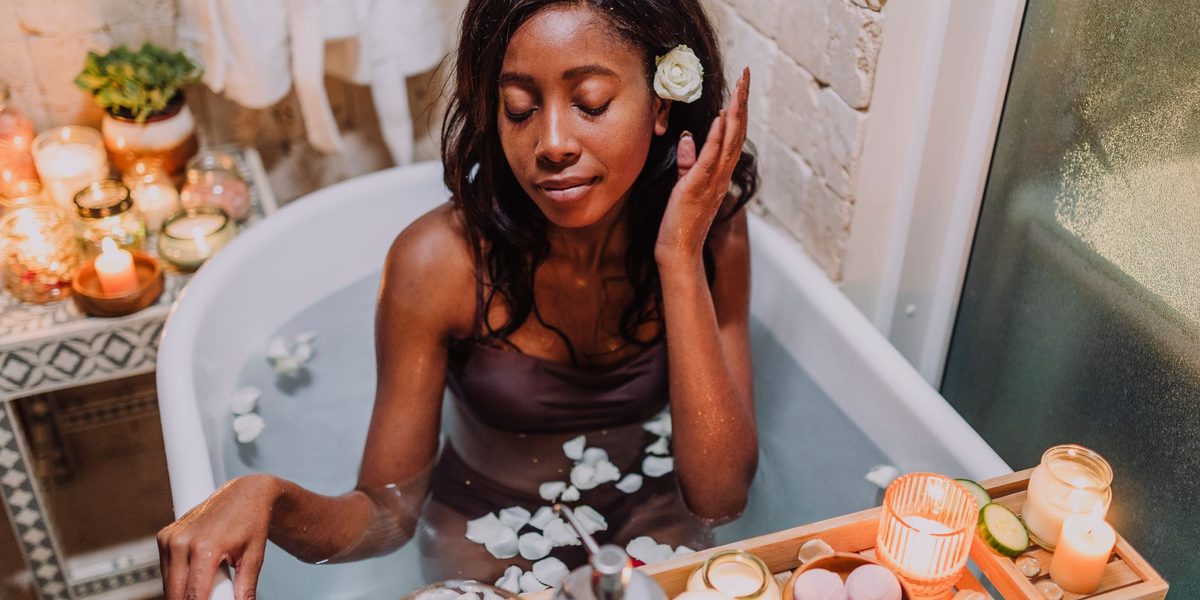
- The romantic theater: rose petals, a milk base, candles multiplied in the mirror — because sometimes the point is the scene.
- The head-cold comfort: a eucalyptus-scented steam, warm not hot, short and cozy — general comfort only, with rest doing the real work.
Label jars by mood rather than ingredient — a shelf reading “Unwind,” “Reset,” “Revive” makes the choosing part of the pleasure.
Don’t Have a Tub? Build a Foot Soak Ritual
Every idea above scales down to a basin, and a proper foot soak is genuinely one of life’s underrated luxuries. Use a deep basin or bucket so water covers the ankles, dissolve a generous scoop of Epsom salt or a brewed tea base, and set the station up properly: a chair with back support, a folded towel under the basin, another towel warming nearby, and something good to drink within reach.
Soak for fifteen or twenty minutes, topping up with warm water as it cools. Afterward, dry thoroughly, massage feet with cream or oil — thumbs deep into the arches — and finish with cotton socks. Do the full sequence weekly and your feet will be in the best shape of their lives; do it while watching something great and it stops feeling like self-care homework entirely. The foot soak is also the perfect gateway ritual for people who find full baths boring — all of the ceremony, none of the time commitment.
Stage the Scene Like It Matters
The water is only half the bath. Light is the fastest transformer: overhead bulbs off, candles or a warm lamp on, and the entire room changes temperament. Sound is next — a slow playlist, rain sounds, or deliberate silence, chosen before you get in so you’re not dripping across the floor for your phone. Which raises the real rule: the phone stays out of reach, ideally out of the room. A paper book, a face mask working while you soak, or nothing at all are the approved entertainments.
Prepare the exit as carefully as the entrance: towel within arm’s reach, robe or warm clothes waiting, a glass of water for after (warm baths are dehydrating), and lotion applied to damp skin the moment you’re out, sealing in the soak’s softness. The last detail is the timer paradox — setting a gentle twenty-minute alarm actually deepens relaxation, because you’re not surfacing every few minutes wondering how long it’s been.
Jars, Gifts, and Keeping the Habit
Bath blends make beautiful, nearly-free gifts: a mason jar of layered salts and dried petals with a wooden scoop and a handwritten label (“Unwind: two scoops under warm running water”) is a present people actually use. A trio of mood jars makes a lovely housewarming or new-parent offering — the latter needing the ritual more than anyone.
For your own shelf, store blends in airtight jars away from shower steam, scoop with dry hands, and make batches small enough to stay fresh and interesting. Then protect the habit itself: one standing bath night a week, non-negotiable, seasonally adjusted — saltier and warmer in the cold months, tea-based and cooler when it’s warm. The tub was always there; the ritual is what you built.
Final Thoughts
A transporting bath costs about as much as a cup of tea: salt or oats from the pantry, scent from a tea bag or a few drops of oil, and staging from candles you already own. Start this week with the simple Epsom-lavender jar and one protected evening, then let the mood menu grow. The point was never the recipe — it’s the twenty minutes where the water holds everything up, including you.