Braids are the most generous hairstyle family there is: they work on almost every length, flatter every texture, hide a skipped wash day, survive weather that would flatten any blowout, and range from thirty-second fixes to slow Sunday projects. Yet most of us learned one basic three-strand version somewhere around age ten and never went further. This is your invitation to go further. Below is a tour of braid ideas organized by hair length and texture, plus the prep tricks and finishing touches that make home braiding look intentional instead of improvised. Grab some soft elastics and a handful of bobby pins, and start playing.
Prep That Makes Every Braid Better
Braids hold best on hair with a little grip, which is why day-old or day-two hair usually braids better than freshly washed, slippery strands. If your hair is squeaky clean, add traction with a light mist of texturizing spray, a pinch of styling powder at the roots, or even a spritz of water mixed with a drop of leave-in conditioner. Detangle thoroughly first — a braid drags every knot along with it — and part your sections cleanly with a rat-tail comb if you want a polished result, or rake them apart with fingers for a softer, undone feel.
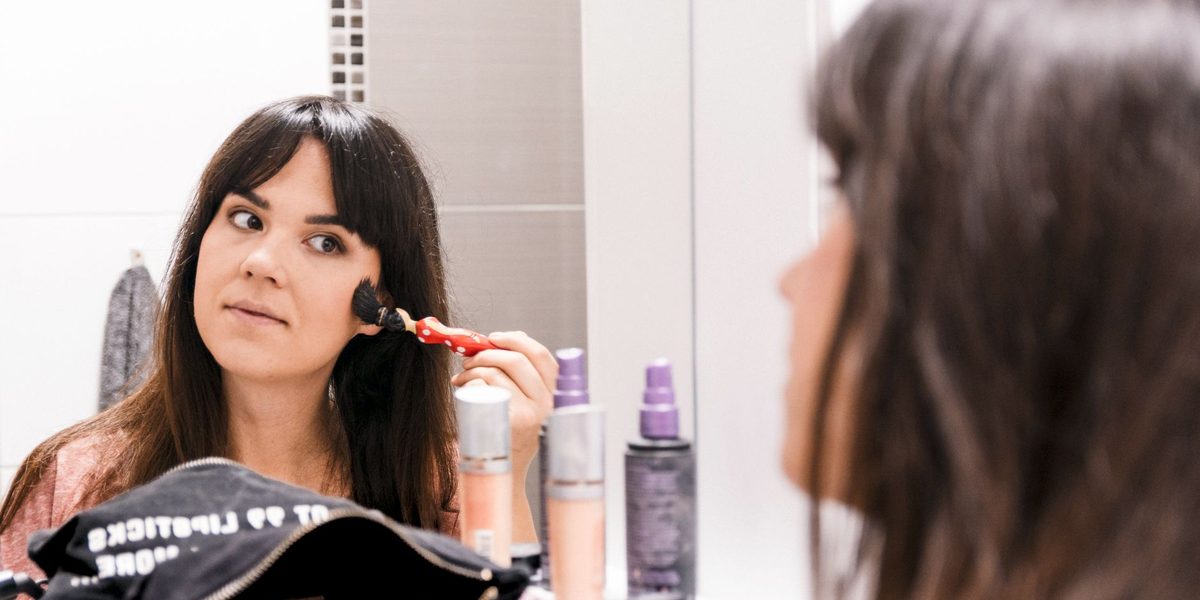
Keep your tools honest and simple: clear or hair-colored soft elastics, a few bobby pins that match your shade, and a mirror setup that lets you see the back of your head (a hand mirror facing the bathroom mirror works fine). One more secret weapon: braid with slightly damp hands when flyaways are winning. A tiny bit of moisture tames the fuzz without any product at all.
Short Hair: Small Braids, Big Impact
Short hair gets told it can’t braid, and that’s simply untrue — it just braids in miniature. A few ideas that work from chin-length bobs down to pixie-adjacent cuts: two small Dutch braids along the part line that stop at the crown and pin behind the ears; a single skinny accent braid woven into loose hair at the temple; or a braided headband section that travels along the hairline and tucks behind one ear.
The half-up mini braid is probably the most flattering short-hair option of all. Take just the front third of your hair, braid it loosely back from the forehead, and secure it where a half-ponytail would sit. It keeps hair out of your face, adds instant shape to a grown-out cut, and takes under two minutes. Short layers will escape — let them. Escaped pieces around the face are the style, not a failure of it.
Medium Hair: The Sweet Spot
Shoulder-grazing hair is arguably the perfect braid length: long enough for real structure, short enough that nothing takes twenty minutes. This is the length for the classic French braid, the sportier Dutch braid (the same technique with sections crossed under instead of over, so the braid pops out in relief), and the endlessly useful side braid swept over one shoulder.
Medium hair also shines in combination styles. Try braiding just the sections above your ears and joining them into a half-up style at the back, or doing two Dutch braids that merge into one low ponytail. If your layers make tails look thin, stop the braid at the nape and let the rest hang loose, or tuck the tail under and pin it for a faux-updo effect. A gentle tug on the edges of each braid loop — the technique stylists call pancaking — makes a modest braid look twice as thick.
Long Hair: Showpiece Braids
Long hair opens the door to the dramatic styles. A few worth learning, in rough order of effort:
- The fishtail: two sections instead of three, crossing small slivers from the outside edges. Slower, but the herringbone texture is stunning — and messier actually looks better.
- The pull-through braid: a chain of stacked ponytails flipped through each other. It fakes an elaborate braid with nothing but elastics, and it’s wonderfully voluminous.
- The crown braid: one or two braids wrapped around the head and pinned — the ultimate special-occasion style that hides its bobby pins under its own loops.
- The rope twist: two strands twisted around each other in opposite directions. Thirty seconds, and it holds better than it has any right to.
With length comes weight, so anchor showpiece braids well: cross two bobby pins in an X for grip, and use a strong elastic at the base before any decorative wrapping.
Braids for Curls, Coils, and Waves
Textured hair and braids are old friends, and the rules shift in lovely ways: braids set better, last longer, and double as overnight styling. On curls and coils, chunky Dutch braids look rich and dimensional with zero teasing. Two-strand twists — technically cousins of braids — give definition with less tension and take half the time. Flat twists along the hairline make a beautiful border for a curly puff or updo.
Work with hair that’s been moisturized and detangled, braid with a butter or cream for smoothness, and keep tension gentle, especially at the hairline — a braid should never ache. Braiding damp curls loosely before bed also doubles as a heatless stretch, so the take-down the next day is a style all by itself: soft, elongated waves with built-in body. Wavy textures fall somewhere in between; embrace the natural fuzz and choose relaxed styles like loose fishtails that make texture look deliberate.
Occasion Upgrades and Finishing Touches
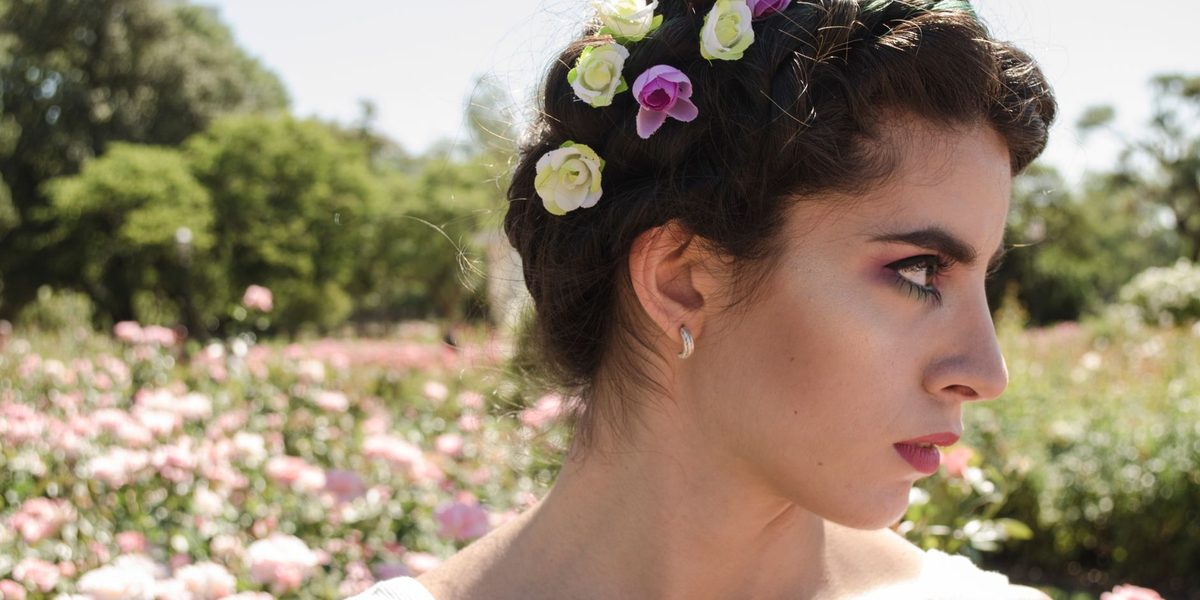
Any braid dresses up with small additions. Weave a thin ribbon or a silk scarf strip in as a third strand for instant romance. Slide small metallic cuffs or pearl pins along a finished braid for an event. Face-framing tendrils, pulled loose at the temples and in front of the ears, soften every style — curl them lightly around a finger if they hang straight.
The universal finishing move is the loosen-and-set: once the braid is secured, gently tug the outer loops wider starting from the bottom, loosen a little volume at the crown, then mist lightly with flexible hairspray. Tight, scalp-hugging braids read severe; loosened ones read effortless. That single habit upgrades every braid in this article.
Practice Ideas That Actually Stick
Braiding is muscle memory, and muscle memory comes from low-stakes repetition. Practice on a ponytail first — braiding a tail you can hold in front of you is far easier than working blind behind your head. Do your practice braids on evenings when the result doesn’t matter, or braid before bed so the reward is heatless waves either way. Watching your hands in a mirror slows you down at first, so consider practicing by feel and only checking at the end.
Give each new style three honest attempts before judging it. The first is always awkward, the second is passable, and the third is usually when your hands suddenly understand. Keep a note of your favorites and rotate them through the week so none of them get rusty. If you have a patient friend, child, or even a doll head to practice on, take advantage — braiding someone else’s hair builds the same finger memory twice as fast, and it turns practice into an excuse for a chatty evening in.
Final Thoughts
Whatever your length or texture, there’s a braid that suits it — usually several. Start with the style closest to what you already know, add the pancaking trick and a few face-framing pieces, and build from there toward fishtails and crowns. Braiding is one of the few beauty skills that compounds: every style you learn makes the next one easier, and before long your hands will carry a whole repertoire you can deploy in minutes, anywhere, with nothing but elastics and pins.