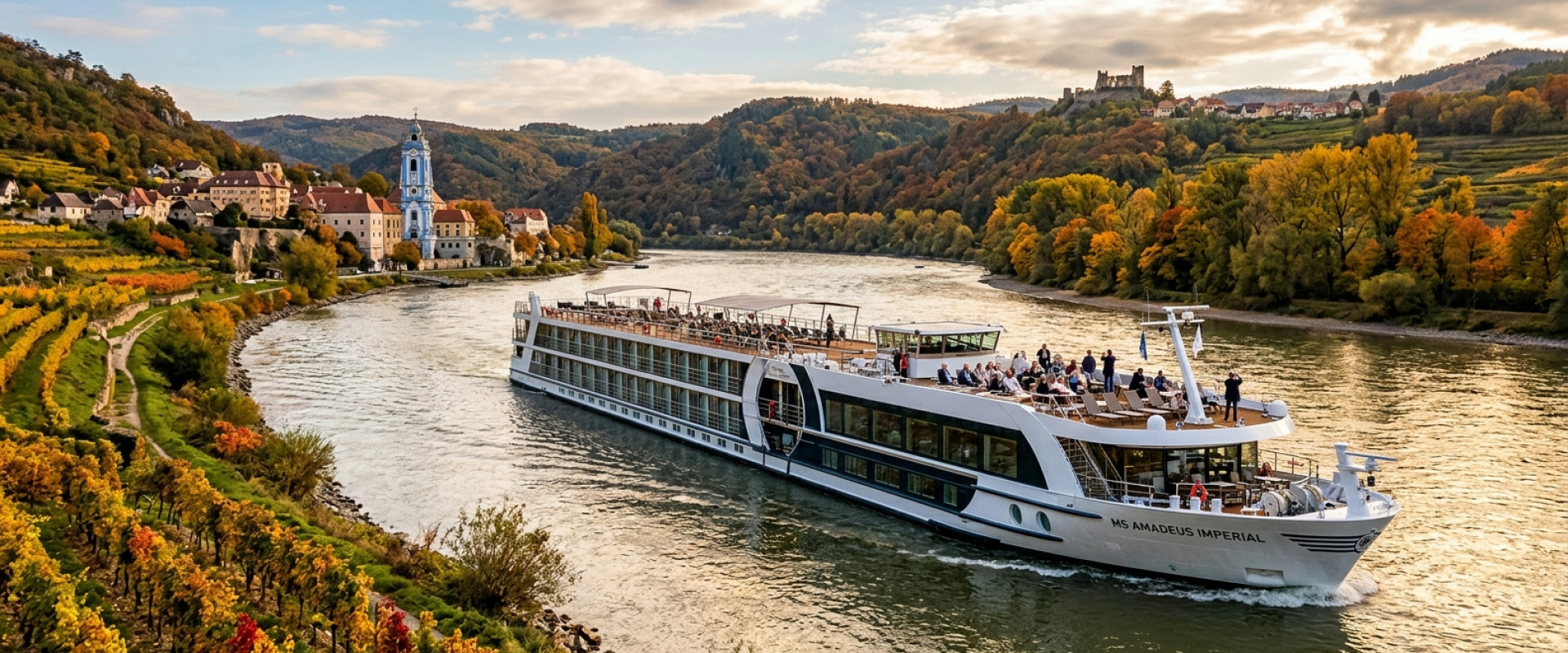
European river cruises are among the most popular ways to explore the continent's history, culture, and natural beauty. Unlike ocean cruises, river cruises travel through the heart of cities and countryside, offering passengers an intimate and immersive travel experience. This guide covers the top rivers to cruise, what to expect onboard, the best seasons to travel, and practical tips for first-time river cruisers.
What Is a European River Cruise?
A European river cruise is a holiday taken aboard a specially designed riverboat that travels along one of Europe's major inland waterways. These ships are smaller than ocean liners — typically carrying between 100 and 200 passengers — which allows them to dock directly in town centers rather than remote port terminals.
River cruise itineraries generally last between seven and fourteen nights, though shorter weekend sailings and longer grand voyages are also available. Passengers sleep, dine, and relax on the ship while waking up each morning in a different city or village.
How River Cruises Differ from Ocean Cruises
River cruise ships are long and narrow to fit through locks and under low bridges. They have far fewer onboard amenities compared to ocean liners, but what they lack in pool decks and casinos they make up for in personal service and destination-focused itineraries.
River cruising tends to attract travelers who prefer culture, history, and scenic landscapes over onboard entertainment. The pace is relaxed, the group sizes are manageable, and the connection to each destination feels far more personal.
The Rhine River
The Rhine is one of Europe's most famous and most traveled rivers. It flows through Switzerland, Germany, France, and the Netherlands, covering a total length of about 1,230 kilometers (764 miles). Rhine cruises are ideal for travelers who want a classic European experience with castles, vineyards, and medieval towns.
Key Highlights Along the Rhine
The Middle Rhine Valley, a UNESCO World Heritage Site, is widely considered the most scenic stretch of the river. Passengers pass dozens of hilltop castles, steep vineyard slopes, and charming wine villages as the ship winds through dramatic gorges.
Major ports of call on Rhine cruises typically include:
- Basel, Switzerland — a cultural hub with outstanding museums and old-town architecture
- Strasbourg, France — famous for its Gothic cathedral and distinctive Alsatian half-timbered houses
- Cologne, Germany — home to one of Europe's most recognizable cathedrals and a lively riverfront
- Amsterdam, Netherlands — the classic starting or ending point for many Rhine itineraries, with its iconic canals and world-class art museums
Quick Fact: The Loreley Rock near St. Goarshausen in Germany is one of the most photographed landmarks on the Rhine. According to legend, a siren named Loreley once lured sailors onto the rocks with her singing.
The Danube River
The Danube is Europe's second-longest river, stretching approximately 2,860 kilometers (1,777 miles) across ten countries. It is the most internationally traversed river on the continent, making it a favorite for river cruise passengers who want to experience multiple cultures in a single voyage.
Classic Danube Itineraries
The most popular Danube route runs between Passau, Germany and Budapest, Hungary — a journey that passes through Austria, Slovakia, and Hungary. This route packs an extraordinary amount of history and architectural grandeur into a relatively short distance.
Top ports on the Danube include:
- Passau, Germany — a Baroque city set at the confluence of three rivers
- Linz, Austria — a modern city with deep artistic roots and excellent museums
- Vienna, Austria — the Habsburg imperial capital, brimming with palaces, concert halls, and coffeehouses
- Bratislava, Slovakia — a compact and charming capital with a hilltop castle overlooking the river
- Budapest, Hungary — widely regarded as one of the most beautiful cities on any European river
Extended Danube Voyages
Some operators offer longer itineraries that extend deep into Eastern Europe, reaching Belgrade in Serbia, the Iron Gates gorge on the Serbian-Romanian border, and even the Danube Delta in Romania where the river empties into the Black Sea. These extended voyages are less common but offer an extraordinary sense of adventure and cultural discovery.
The Douro River
Portugal's Douro River offers one of the most visually spectacular river cruise experiences in all of Europe. The river flows through the Douro Valley, a UNESCO World Heritage landscape of terraced vineyards, ancient quintas (wine estates), and rugged hillsides.
Wine and Scenery on the Douro
The Douro Valley is the birthplace of Port wine, and tasting sessions at traditional wine estates are a standard part of most cruise itineraries. Passengers can explore vineyards, learn about winemaking traditions, and sample both Port and Douro table wines.
Ships typically sail between Porto, Portugal's vibrant second city, and the Spanish border near Barca d'Alva. Because the Douro has significant elevation changes along its course, ships must pass through a series of locks — an impressive mechanical spectacle in itself.
What Makes Douro Cruises Unique
The Douro attracts travelers who appreciate off-the-beaten-path destinations. The valley is less developed than many Western European tourist corridors, and the small towns and villages along the river retain a genuinely authentic character. Porto itself is worth exploring for its historic riverside district, ornate tile-covered buildings, and acclaimed food scene.
The Seine River
A Seine river cruise offers one of the most culturally rich itineraries in Europe, with Paris as a starting or ending point. The river flows 775 kilometers (482 miles) from the Langres Plateau in Burgundy to the English Channel at Normandy.
Paris and Beyond
Many Seine cruises begin in Paris, giving passengers time to explore the French capital before sailing downstream toward Normandy. The route passes through some of France's most historically significant landscapes, including the beaches and memorials of the D-Day landing zones from World War II.
Key destinations on a Seine cruise often include:
- Paris — the Eiffel Tower, the Louvre, Notre-Dame Cathedral, and Montmartre
- Vernon — the gateway to Claude Monet's famous garden at Giverny
- Rouen — a medieval city with a magnificent Gothic cathedral and connections to Joan of Arc
- Normandy beaches — a profoundly moving historical experience for many travelers
- Honfleur — a picturesque harbor town beloved by Impressionist painters
The Moselle River
The Moselle is a quieter and less-traveled alternative to the Rhine, but it rewards curious travelers with spectacular scenery and world-class wines. The river forms much of the border between Germany and Luxembourg before flowing through the German wine country toward its confluence with the Rhine at Koblenz.
Germany's Hidden Wine River
The German Moselle Valley is famous for its Riesling wines, produced on dramatically steep slate-soil slopes that drop directly to the riverbanks. Villages like Bernkastel-Kues, Cochem, and Traben-Trarbach are picture-perfect examples of traditional German wine country.
Moselle cruises are often combined with Rhine itineraries, allowing passengers to experience both rivers in a single voyage. The pace on the Moselle tends to be even more relaxed than on the major rivers, making it a favorite for repeat river cruise passengers looking for something a little different.
The Rhône and Saône Rivers
Southern France's Rhône and Saône rivers offer a compelling mix of Roman history, medieval towns, Provençal culture, and world-renowned cuisine. These two rivers are almost always combined on a single itinerary, as the Saône flows into the Rhône at Lyon.
A Culinary and Cultural Journey
Lyon is frequently cited by food lovers as one of the great culinary capitals of the world, and a stop here is a highlight of any Rhône-Saône cruise. From Lyon, ships sail south past Beaujolais vineyards, Roman ruins at Vienne and Arles, and the spectacular Pont du Gard aqueduct before reaching the Mediterranean coast near Avignon or Arles.
Avignon, home to the magnificent Palais des Papes, is usually a full-day port stop. The Camargue wetlands near the river's mouth add a surprising note of wild nature to an otherwise culture-rich itinerary.
The Elbe River
The Elbe flows from the Czech Republic through Germany to the North Sea, and cruises along this less-commercialized river offer a fascinating look at Central European history, particularly the legacy of East and West Germany.
Dresden and Saxon Switzerland
Dresden, the baroque jewel of Saxony, is the centerpiece of most Elbe itineraries. The city was largely destroyed in World War II but has been meticulously rebuilt, and landmarks like the Frauenkirche and the Zwinger palace are now fully restored to their former glory.
Elbe cruises also pass through the Saxon Switzerland National Park, an extraordinary landscape of sandstone rock formations, deep gorges, and forested plateaus. The region is a dramatic contrast to the baroque cityscapes that define much of the route.
Best Time to Take a European River Cruise
River cruises on European waterways typically operate from late March through early November. Each season offers a different kind of experience, and the best time to travel depends largely on personal preferences.
Spring (April to May)
Spring is an excellent time to cruise. Temperatures are mild, flowers are in bloom, and the crowds at major tourist sites have not yet reached summer peaks. The Rhine and Danube valleys are especially beautiful during the cherry blossom season in April.
Summer (June to August)
Summer offers the longest daylight hours and the warmest temperatures, making it ideal for enjoying outdoor deck time. However, this is also the busiest and most expensive period. Advance booking is essential, and popular ports like Amsterdam and Vienna can be crowded.
Autumn (September to October)
Many experienced river cruisers consider autumn the finest season to sail. The harvest season brings wine festivals, golden vineyard colors, and abundant local produce to riverside markets. Temperatures remain comfortable, and the crowds begin to thin noticeably after August.
Christmas Markets (November to December)
Christmas market cruises have become enormously popular in recent years. The Rhine and Danube rivers host world-famous Christmas markets in cities like Cologne, Nuremberg, Vienna, and Budapest. The festive atmosphere, mulled wine, handcrafted gifts, and twinkling lights make for a magical and unique seasonal experience.
What Is Typically Included in a River Cruise Package
River cruise pricing tends to be all-inclusive or near-all-inclusive compared to many other holiday types. Understanding what is covered helps travelers budget accurately and avoid surprises.
What Is Usually Included
- Cabin accommodation on the ship
- All meals — breakfast, lunch, and dinner — in the main dining room
- Wine, beer, and soft drinks with lunch and dinner (varies by operator)
- Guided shore excursions at each port of call
- Port charges and docking fees
- Onboard entertainment and lectures
- Use of bicycles at many ports (offered by most operators)
What May Cost Extra
- Premium shore excursions or optional tours
- Alcoholic drinks outside of mealtimes
- Gratuities for crew members
- Flights and pre- or post-cruise hotel stays
- Travel insurance
- Specialty dining or private tastings
Choosing the Right Cabin
River cruise ships offer several cabin categories, and the right choice depends on budget, personal preferences, and how much time passengers plan to spend in their room.
Cabin Types Explained
Standard cabins are located on the lower decks and feature small or no windows. They are the most affordable option and perfectly adequate for travelers who plan to spend most of their time on deck or ashore.
French balcony cabins are among the most popular on modern river cruise ships. These rooms have full floor-to-ceiling glass doors that open to allow in fresh air, but there is no exterior balcony to step out onto. They offer wonderful river views from inside the cabin.
Full balcony cabins feature a small exterior seating area and are found on the upper decks. They offer a more private and outdoor-focused experience but typically come at a premium price.
Suite cabins provide the most space and the best views. They often include separate living and sleeping areas, priority boarding, and additional onboard credits or complimentary excursions.
River Levels and Practical Considerations
One important factor unique to river cruising is the impact of water levels on sailing conditions. Unlike the ocean, rivers can run too high or too low for safe navigation depending on seasonal rainfall, snowmelt, and drought conditions.
High Water
During periods of flooding — most common in spring — ships may be unable to pass under low bridges, particularly on the Rhine. In such cases, passengers are transferred to buses to bypass the affected sections or continue the tour by land.
Low Water
Prolonged drought can cause water levels to drop to the point where ships cannot safely navigate certain sections of a river. This has become an increasingly common concern in recent years due to shifting weather patterns. Responsible operators have contingency plans to minimize disruption, often substituting land-based tours or switching to different vessels.
Travelers should read their booking terms carefully to understand what compensation or alternatives are offered in the event of river-level disruptions.
Tips for First-Time River Cruise Passengers
A river cruise is a very different holiday experience from a resort stay or a backpacking trip. A few simple pieces of advice can help first-timers get the most out of their voyage.
- Pack light. Cabin storage is limited compared to hotel rooms. A medium-sized rolling suitcase and a small day bag are usually sufficient for a week-long cruise.
- Bring comfortable walking shoes. Shore excursions often involve cobblestone streets, uneven terrain, and significant walking distances.
- Book excursions early. Popular optional tours can sell out before the ship departs. Reserve your preferred activities as soon as booking is open.
- Spend time on the sun deck. Some of the best scenery passes by while passengers are at meals or in their cabins. Make a habit of spending time on the upper deck, especially in scenic gorges and valleys.
- Explore independently when possible. Many river cruise ships dock close to town centers, making it easy to walk off and explore on your own beyond the organized tours.
- Take advantage of onboard lectures. Most ships offer talks by historians, wine experts, and regional specialists. These sessions significantly enrich the experience at each port of call.
- Check visa requirements. Some Eastern European river routes pass through countries with specific entry requirements depending on your nationality. Confirm all requirements before departure.
Sustainability and River Cruising
As environmental awareness grows among travelers, many river cruise operators have made significant commitments to reducing their ecological footprint. River cruise ships, by their nature, are smaller and consume far less fuel per passenger than large ocean-going vessels.
Green Initiatives in the Industry
Several operators have introduced hybrid and fully electric ships, particularly on Dutch and German waterways. Solar panels, shore-power connections that allow ships to turn off their engines while docked, and advanced wastewater treatment systems are becoming standard features on newer vessels.
Passengers who are concerned about sustainability can look for operators that hold recognized environmental certifications, source food locally, limit single-use plastics onboard, and partner with community-based tourism organizations at each destination.
Summary: Choosing the Right River Cruise for You
European river cruising offers something for nearly every kind of traveler. Whether you are drawn to the dramatic castles of the Rhine, the imperial grandeur of the Danube, the wine-soaked terraces of the Douro, the culinary riches of the Rhône, or the Christmas magic of Central Europe in winter, there is an itinerary perfectly suited to your interests.
The key is to identify which combination of countries, cultures, and landscapes excites you most, then choose an operator and cabin category that fits your budget and travel style. With careful planning, a European river cruise can be one of the most rewarding and memorable holidays of a lifetime.