Houseplants are decor that happens to be alive — the only accessory that grows, changes with the seasons, and literally leans toward the light. Yet there is a visible difference between a home with plants and a home where plants are styled: one has pots scattered on windowsills, the other has green moments that make every room feel layered, calm, and complete. The difference is not money or rare specimens; it is placement, grouping, and matching the right plant to the right spot. Here is how to style houseplants like a designer in every room of the house.
Master the Rules of Plant Styling First
A few principles elevate any plant collection instantly. Group in odd numbers — three or five plants of varying heights and leaf shapes read as a composition, while pairs and rows read as inventory. Contrast is the engine: pair something tall and architectural with something bushy and something trailing, and mix leaf textures so big glossy foliage sits beside fine or feathery growth.
The pot is half the look. A cohesive pot palette — say, terracotta with cream and one dark accent — lets diverse plants feel like a family, and raising the whole arrangement to different levels with a plant stand, a stool, or a stack of books gives the group rhythm. Finally, respect scale: a tiny pot on a vast credenza disappears, while one generous floor plant can finish a whole corner. When in doubt, fewer but larger reads more intentional than many and small.
One honest caveat belongs in every plant styling plan: light beats looks. A plant placed for the photo but starved of its light needs will decline no matter how perfect the vignette, so check each spot's brightness before assigning it a resident. Styling is choosing among the plants that can thrive there — never forcing a sun lover into a shadowy corner because the pot matches the rug.
Living Room: Build a Statement and a Backdrop
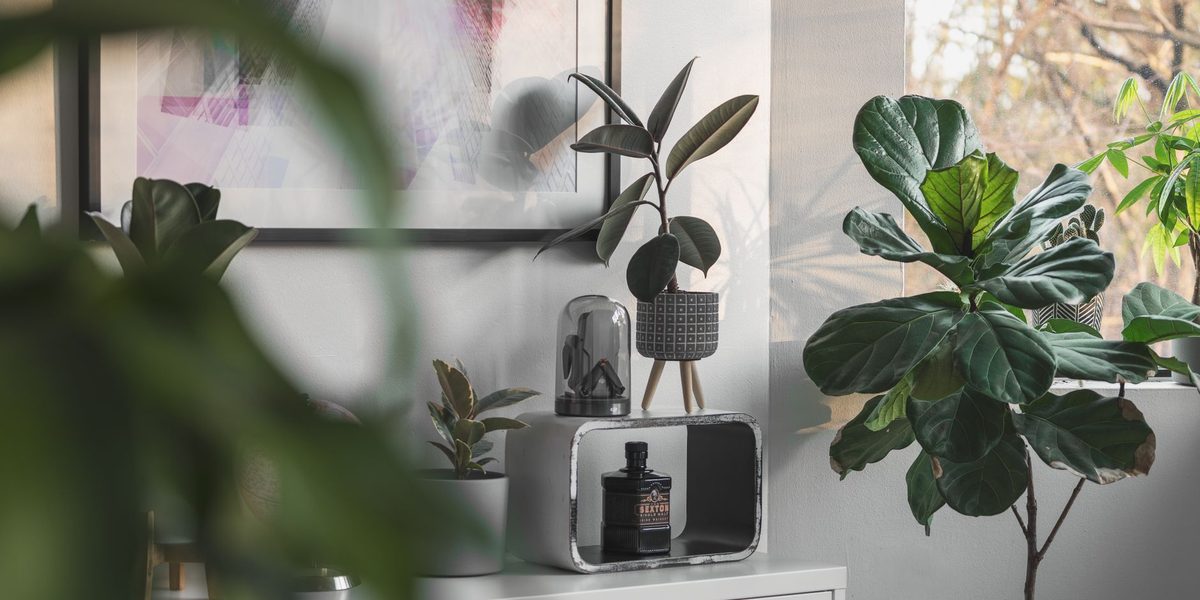
The living room deserves both a hero and a supporting cast. The hero is a floor plant with presence — a fiddle-leaf fig by the window, a monstera unfurling beside the sofa, a bird of paradise in a bright corner — planted in a substantial pot that suits the room's palette. Position it where the eye lands naturally: beside the sofa, flanking a window, or filling the awkward dead corner every living room has.
The supporting cast works the edges: a trailing pothos or philodendron spilling from a bookshelf, a compact plant softening the coffee-table tray, a fern on a plant stand bridging the gap between armchair and wall. Let shelves carry greenery in the mix with books and objects rather than as a separate plant zone — one trailing stem draped over a shelf edge does more styling work than a dozen pots crowded on a sill.
Kitchen and Dining: Keep It Useful and Alive
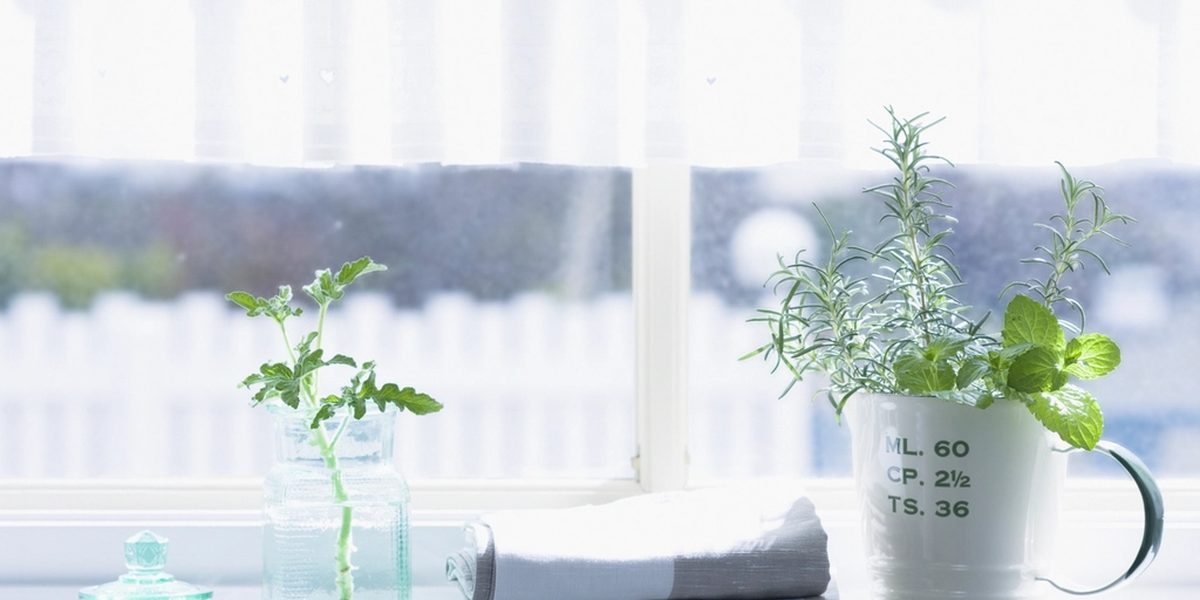
Kitchen plants earn their place twice when they are edible: a row of potted herbs by the sunniest window puts basil and chives within cooking reach and looks like a still life doing it. Beyond herbs, kitchens suit compact, easygoing plants that tolerate temperature swings — pothos trailing from the top of the cabinets turns dusty dead space into a green ribbon, and a small aloe or jade on the windowsill thrives on bright neglect.
In the dining room, think in centerpieces and sideboards. A low bowl of mixed small plants or a single sculptural specimen makes a table centerpiece that never wilts, provided it stays low enough for conversation to clear it. A sideboard hosts a rotating pair — one upright, one trailing — flanking a lamp or artwork. Keep dining greenery unscented and tidy; dropped leaves near food areas erase the charm quickly.
Bedroom: Choose Calm, Low-Care Companions
Bedrooms want plants that whisper rather than shout — soft shapes, deep greens, and care requirements that survive being forgotten during a busy week. Snake plants and ZZ plants are the reliable core, handsome in low light and nearly indestructible, while a peace lily adds gentle white blooms in brighter rooms. A trailing heartleaf philodendron on the dresser or a high shelf softens hard lines beautifully.
- A single statement plant in the corner beats a crowd of small pots for serenity
- Nightstands suit one small, tidy plant beside the lamp — nothing that sheds
- Hanging planters near the window free surface space and add a layer of height
- Matching pots in muted tones keep the bedroom palette restful
Style for the view from the bed: the plant you see on waking sets a surprisingly effective tone for the morning, which is the kind of decor return no vase of cut flowers can match.
Bathroom and Low-Light Corners: Work With What You Have
Bathrooms are secretly excellent plant habitats — the humidity that fogs the mirror is a spa day for ferns, orchids, air plants, and calatheas. A Boston fern hanging near the shower, an orchid on the vanity, or a small pothos on a shelf brings life to the most utilitarian room in the house. If the bathroom has no window, rotate two plants weekly between the bathroom and a brighter room, and both will manage happily.
For genuinely dark corners elsewhere, choose from the shade-tolerant honor roll: ZZ plant, snake plant, cast iron plant, and pothos all endure dimness that would defeat anything flashier. Where even those struggle, a high-quality faux plant mixed among real ones is a legitimate styling tool — designers do it constantly — especially placed above eye level where the fiction is safe. Grow lights disguised as ordinary bulbs in a floor lamp can also turn any corner legitimate — the plant gets its light, the room gets its lamp, and nobody can tell the difference at a glance.
Display Ideas That Multiply the Style
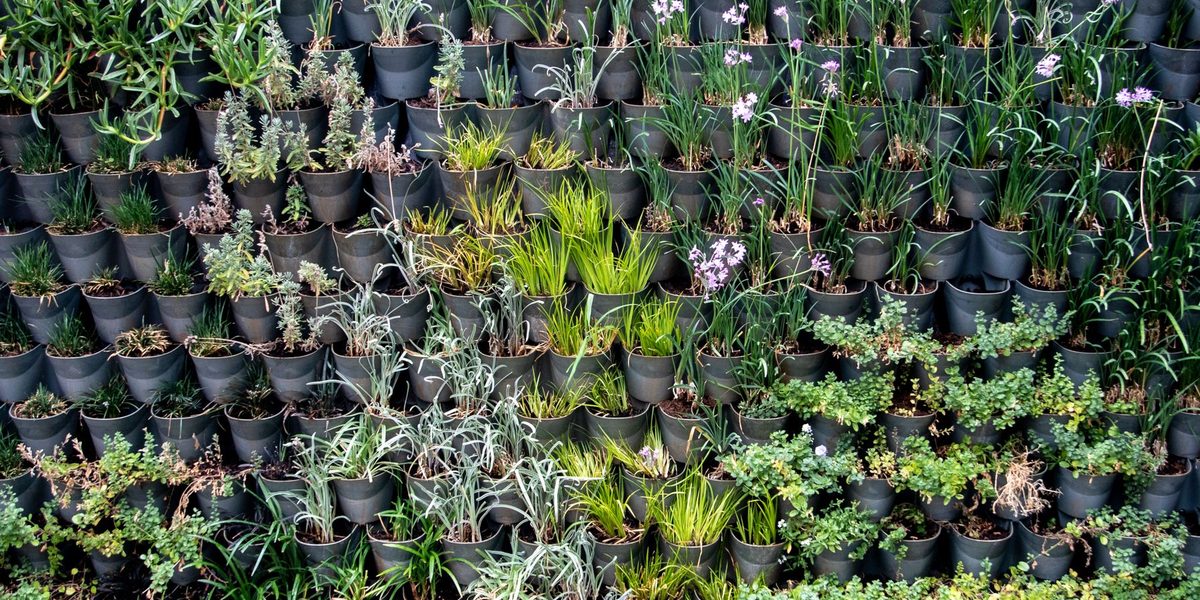
Once the rooms are placed, the fun layer begins: how the plants are shown. A plant stand collection at staggered heights turns a bright corner into an indoor garden with real presence. A wall of hanging planters or a mounted rail with pots creates living art where floor space is scarce. A bar cart repurposed as a plant cart becomes a movable jungle that chases the seasonal light around the room.
Small rituals keep the display looking styled rather than merely surviving: wipe dust from broad leaves so they gleam, turn pots a quarter-rotation weekly so growth stays even, trim the browned tips, and top dress the soil with fine bark or pebbles for a finished look. Repot into something one size larger when roots circle the drainage holes, and treat every repotting as a styling opportunity — the plant gets room to grow, and the room gets a refreshed vignette. Propagation adds a final layer of charm: a windowsill of cuttings rooting in small glass bottles is a display in itself, and the babies it produces become gifts, trades, and free styling material for the next room on the list.
Final Thoughts
Styling houseplants is decorating with a material that rewards you for paying attention — the arrangement that looks good today looks fuller and better next season. Start with one well-placed statement plant, group the smaller players in odd-numbered clusters with pots that speak to each other, and match each room's light and mood to species that can honestly thrive there. Room by room, the green accumulates into that unmistakable feeling visitors describe the same way every time: this home feels alive.