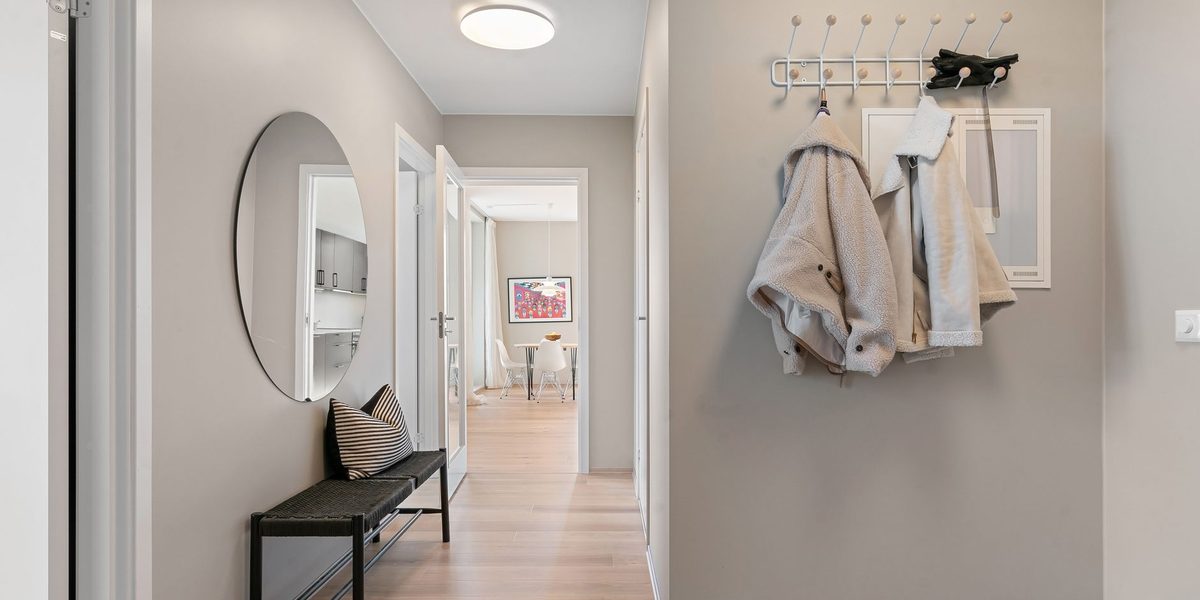
The entryway is the handshake of your home. It greets every guest, launches every school morning, and catches everything the day drags in — shoes, coats, mail, keys, umbrellas, and the mystery items nobody claims. When it works, the whole household runs smoother; when it does not, chaos spills into every room beyond it. The encouraging news is that a functional, welcoming entry does not require a grand foyer or a built-in mudroom. With a few smart zones and the right containers, even a strip of wall beside the door can handle the daily storm with grace.
Start by Watching How Your Door Actually Works
Before buying a single basket, spend a few days observing what really happens at your entrance. Where do shoes actually land? Which coats get worn on repeat, and where does the mail pile up? An entryway fails when its storage fights natural habits instead of working with them. If everyone drops keys on the nearest flat surface, the solution is a beautiful tray on that surface, not a hook on the far wall that no one will use.
List the categories your entry must handle — typically shoes, outerwear, bags, keys, mail, and seasonal gear — and count honestly. A family of four might rotate through a dozen pairs of shoes a week at the door. Designing for the real number, rather than the ideal one, is the difference between an entry that stays tidy and one that collapses by Wednesday.
Solve the Shoe Situation First
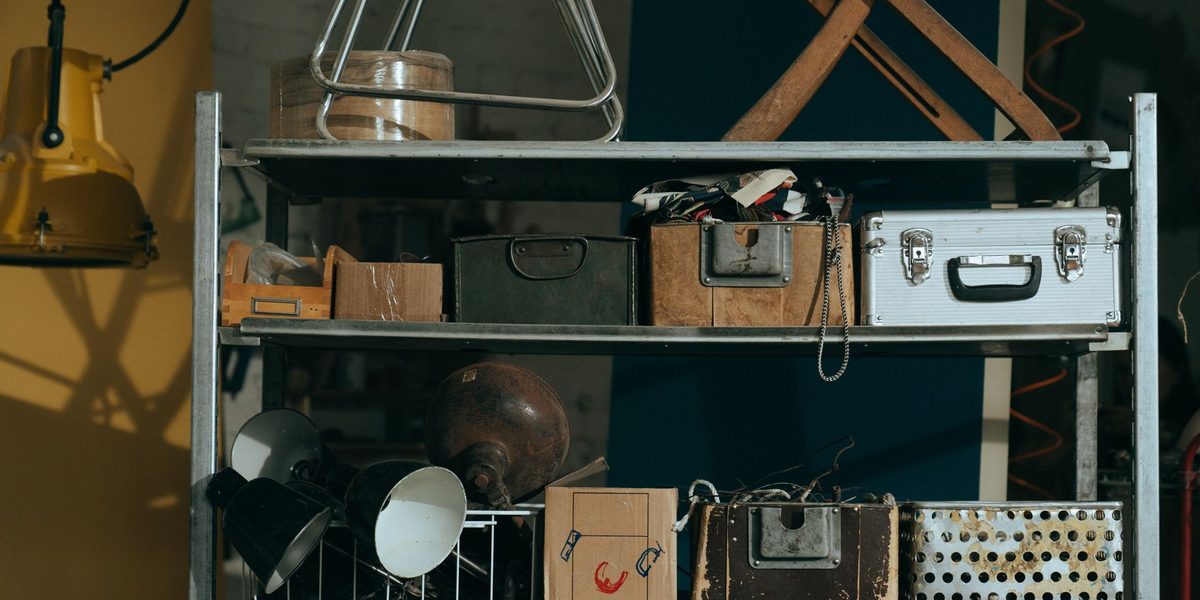
Shoes create more entryway chaos than everything else combined, so give them a dedicated home before anything else. A slim shoe cabinet with flip-down compartments hides a surprising number of pairs in just a few inches of depth, which makes it ideal for narrow halls. Open options work too: a two-tier rack under a bench, a large low basket for the everyday pairs, or a boot tray to contain wet and muddy soles.
The most important rule is the rotation limit: only the shoes currently in use live at the door, one or two pairs per person, while the rest return to closets. A weekly reset — sixty seconds of returning strays — keeps the system honest. If space allows, a washable rug just inside the door catches grit before it travels, cutting your floor cleaning in half.
Put the Walls to Work With Hooks and Rails
Hooks beat hangers at the entryway every time, because a hook takes two seconds and a hanger takes ten — and busy people always choose the two-second option. Mount a sturdy rail of hooks at adult height for coats and bags, then add a lower row for kids, who are far more likely to hang their own things when they can actually reach.
- Double-prong hooks hold a coat and a bag without crowding
- A small shelf above the hook rail stores hats, gloves, and sunscreen in labeled bins
- A single hook near the handle keeps the dog leash ready for walks
- Adhesive hooks inside a coat closet door add capacity without drilling
Resist the temptation to install a hook for every coat you own. Like shoes, outerwear at the door should be the current rotation only; the entryway is a launch pad, not a wardrobe.
Create a Landing Zone for Keys, Mail, and Pocket Clutter
The small stuff — keys, wallets, sunglasses, earbuds — needs a precise home, because these items cause the most frantic morning searches. A small tray, bowl, or wall-mounted shelf right beside the door becomes the official drop spot, and once the habit forms, lost-key panic disappears from your life. A charging station tucked into a drawer or on a shelf handles phones and earbuds overnight.
Mail deserves its own strategy, since it arrives daily and multiplies quietly. A two-slot wall organizer — one for action items, one for recycling-bound paper — processes the flow in seconds. The key discipline is opening mail standing at the organizer rather than carrying it deeper into the house, where it becomes kitchen-counter sediment. Add a small hook for a pen and the whole paper problem stays contained in one square foot.
Add Seating and Softness
A place to sit transforms an entry from a hallway into a proper room. A bench makes shoe changes graceful for guests and grandparents alike, and the right bench doubles as storage: lift-top models swallow seasonal gear, while benches with cubbies beneath organize baskets by family member. In a tight space, a single sturdy stool or a wall-mounted fold-down seat performs the same welcome.
Softness matters as much as function. A rug anchors the space and handles traffic, a cushion warms the bench, and a mirror above the console adds light, depth, and a last-glance checkpoint on the way out. A small lamp on a timer casts a far friendlier glow than an overhead fixture, greeting evening arrivals with warmth instead of glare.
Design Zones for Small and Odd-Shaped Entries
No entry closet, no problem — some of the most charming entryways are carved out of nothing. A narrow console table with baskets beneath, a mirror above, and a tray on top delivers a full entry system in under a foot of depth. If there is not even room for a table, a vertical stack works: hooks at shoulder height, a floating shelf above with a catch-all bowl, and a boot tray or shoe basket on the floor below.
Apartment dwellers whose front door opens directly into the living room can define an entry with cues instead of walls: a different rug, a slim bookcase set perpendicular to the door as a subtle divider, or simply a consistent drop-zone arrangement that signals where outside things stop. The goal in every case is the same — a predictable place for each incoming item within arm's reach of the door.
Do not forget the back door or garage entry, which in many homes handles more daily traffic than the front. The same principles scale to fit: a boot tray, a rail of hooks, and one basket per person can turn even a strip of garage wall into a functioning mudroom. When the everyday entrance works, the front entry stays guest-ready almost by default.
Keep It Beautiful and Keep It Working
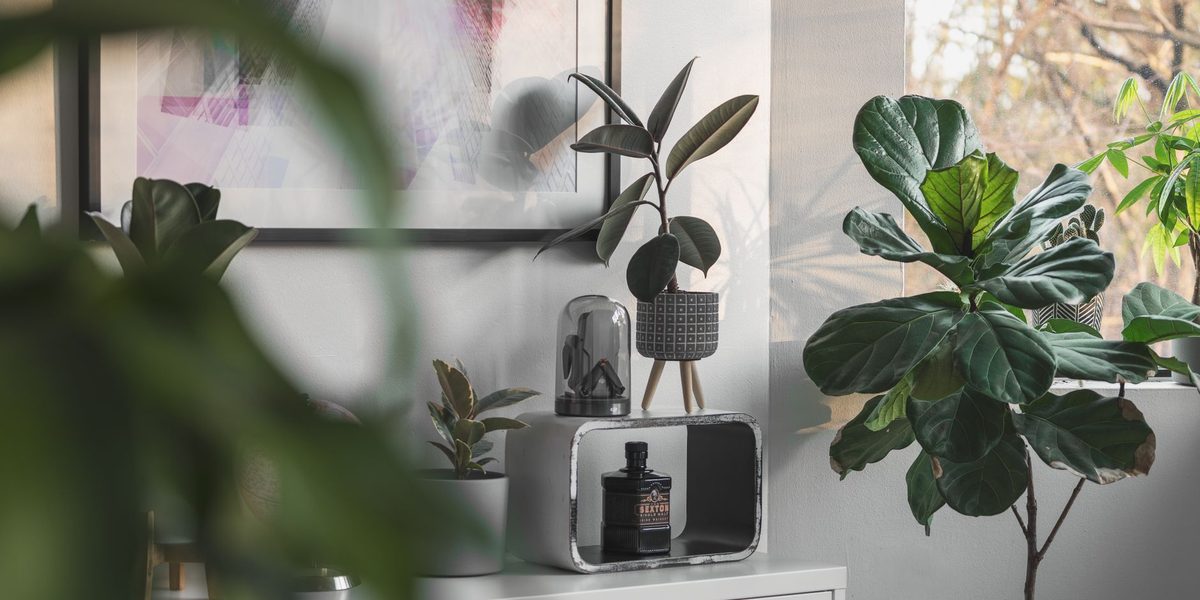
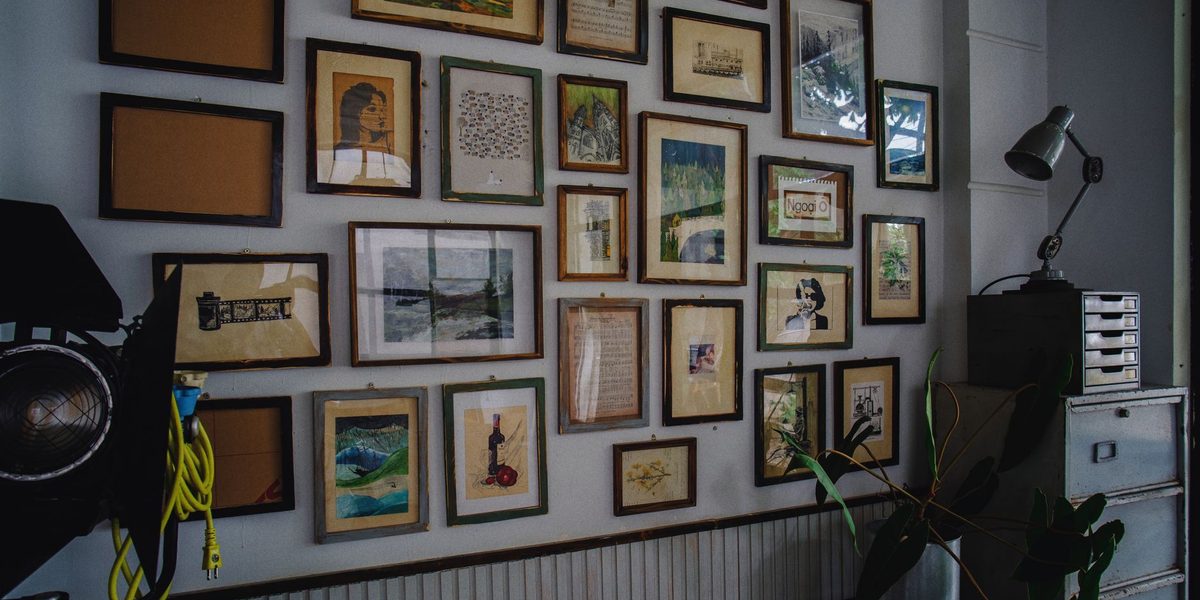
Organization keeps the entry functional, but a few finishing touches make it genuinely welcoming. A vase of grocery-store flowers or clipped garden greenery, a piece of art that makes you smile, a scented candle or diffuser near the door — these details cost little and set the tone for the entire home. Choose baskets and bins in natural materials that look good on display, because entry storage is always at least partly visible.
Then protect the system with tiny habits: a nightly thirty-second sweep returning strays to their zones, a seasonal swap of gear so winter gloves are not crowding summer sunhats, and a quarterly edit of whatever has crept in. Maintenance is easiest when everything already has a home, which is exactly what all this setup buys you.
Final Thoughts
A great entryway is not about matching baskets or magazine-perfect styling — it is about a home that welcomes you and your armload of daily stuff without friction. Solve shoes first, put the walls to work, give keys and mail a precise landing zone, and add a seat and a soft glow. Do that, and the first impression your home makes, on guests and on you, becomes one of calm and warmth every single time the door opens.