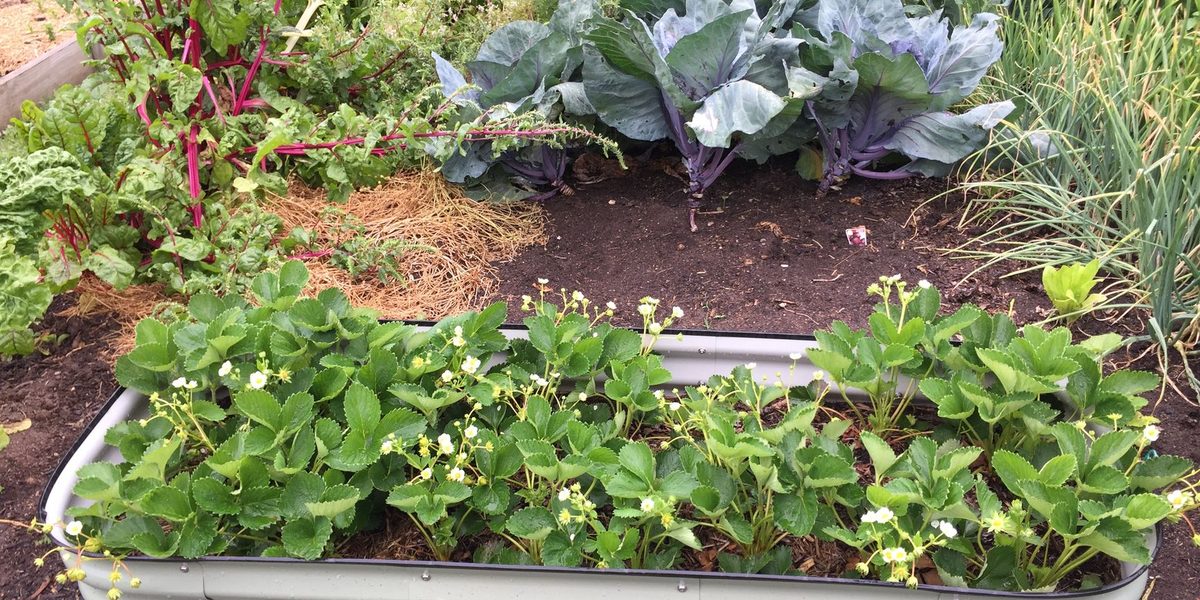
If you have ever stood in a backyard dreaming of homegrown tomatoes but felt defeated by hard clay, patchy grass, or simple not-knowing-where-to-start, the raised bed was invented for you. A raised bed is just a frame of soil above the ground — but that little bit of elevation solves most of the problems that sink first gardens. You control the soil completely, weeds lose their head start, drainage takes care of itself, and the tidy edges make the whole project feel achievable rather than overwhelming. Here is everything a first-time grower needs to plan, fill, and plant a raised bed that actually produces.
Why Raised Beds Are the Beginner's Best Friend
The raised bed's core advantage is soil authority. Instead of gambling on whatever your yard offers — compacted clay, sandy fill, or mystery dirt — you fill the frame with a rich, loose growing mix from day one, and plants respond immediately. Elevated soil also drains well and warms earlier in spring, buying you a longer season at both ends.
The practical wins pile up from there. Defined edges mean you never step on and compact the growing soil. Weeds are fewer and easier to spot in a contained space. Rabbits and lawnmowers stay out, and a bed raised to a comfortable height spares knees and backs. Perhaps most importantly for beginners, a raised bed limits ambition to a survivable size: it is far better to triumph over four by eight feet than to be defeated by a quarter acre.
Size and Place Your Bed for Success
The golden rule of raised bed sizing is reach: never wider than four feet if you can walk both sides, or two and a half feet against a fence, so every inch is tendable without stepping in. Length is flexible — four to eight feet is typical — and depth matters more than beginners expect. Ten to twelve inches suits most vegetables, while deep-rooted crops like carrots and tomatoes appreciate more; taller beds of eighteen inches and up double as seating and kindness to backs.
Placement decides half your harvest before anything is planted. Most vegetables demand six to eight hours of direct sun, so watch your yard through a day and choose the brightest spot, ideally close to the house and a water source — beds you walk past daily get noticeably better care. Leave at least two feet of path around each bed for comfortable kneeling and wheelbarrow access. Untreated cedar and other rot-resistant woods are classic frame materials; composite boards and galvanized metal both work well too, so choose by budget and looks.
Fill It With Soil Worth Bragging About
The soil is the garden, and filling a raised bed is your one chance to get it gloriously right. A reliable recipe is roughly half quality topsoil, a third compost, and the remainder an aerator like perlite or coarse bark for structure. Bagged raised-bed mixes take the guesswork out for smaller beds, while bulk delivery beats bags on price once you are filling anything large.
For deep beds, save money with the layered approach: coarse woody material and untreated yard debris in the bottom third, then compost and soil above — the base breaks down slowly and feeds the bed for years. Top everything with a couple of inches of mulch such as straw or shredded leaves to hold moisture and suppress weeds. Each season afterward, maintenance is simply an inch or two of fresh compost on top; the bed only gets better with age.
Plant the Right Crops the First Year
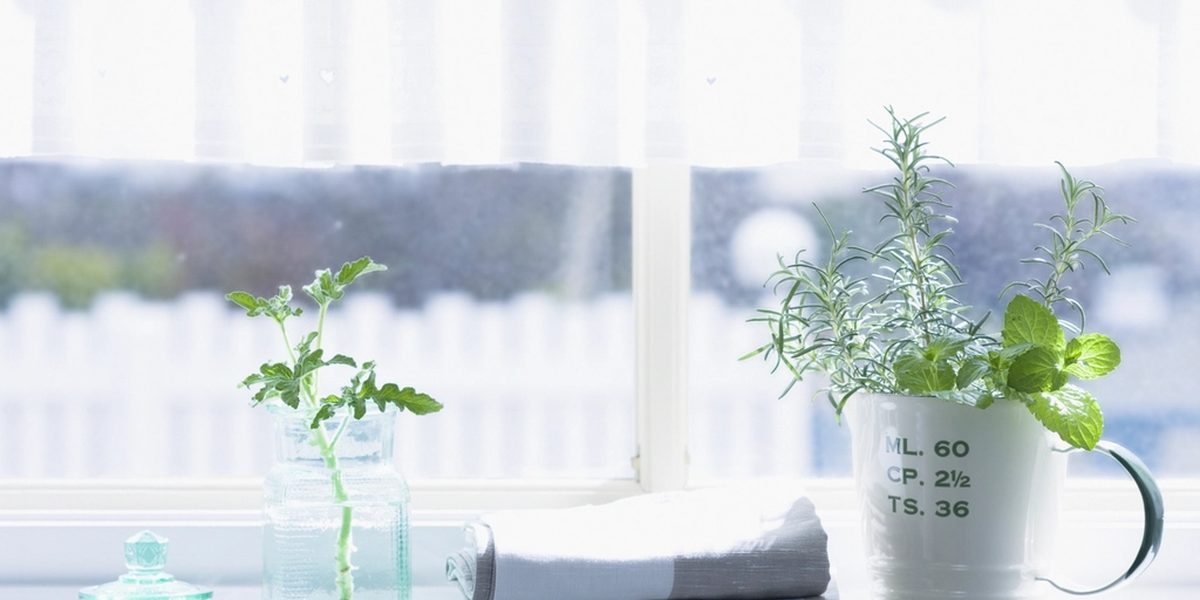
First-year success is mostly crop choice, so stack the deck with generous, forgiving growers. The universal confidence-builders are lettuce and salad greens, radishes, bush beans, zucchini, cherry tomatoes, and herbs like basil and parsley — all quick to reward and hard to ruin.
- Spring: peas, lettuce, spinach, and radishes go in while nights are still cool
- Summer: one cherry tomato, one zucchini, bush beans, and basil earn their space
- Autumn: a second sowing of greens and radishes stretches the harvest
- Always: a few marigolds or nasturtiums for color and pest-confusing charm
Resist planting one of everything. A short list, spaced honestly according to the seed packet, outperforms a crowded ark every time. Intensive spacing in a raised bed can be tighter than row-garden instructions, but the plants still need their light and air — when in doubt, give the zucchini more room than seems reasonable.
Design the Layout Like a Pro
A little layout thinking multiplies the harvest. Place tall crops and any trellis on the north side of the bed so they never shade shorter neighbors. Put sprawlers like zucchini at a corner where they can spill over the edge, saving interior soil for tidy growers. Quick crops like radishes and lettuce can interplant between slow ones like tomatoes, harvesting out before the giants need the room.
Vertical elements earn their space in raised beds: a simple trellis, an arch between two beds, or a teepee of poles turns peas, beans, and cucumbers into space-free climbers and makes the garden genuinely beautiful. Succession planting keeps beds full — every time a crop finishes, another sowing goes in its place. And keep a simple sketch or photo of what went where, because next year's crop rotation starts with remembering this year's map. Rotating plant families to a new spot in the bed each season keeps soil-borne pests guessing and the harvest steady year after year.
Water and Tend Without Burning Out
Raised beds drain beautifully, which also means they dry faster than ground-level gardens. Deep, less frequent watering beats daily sprinkles — aim for soil moist a finger-depth down, and water the base of plants rather than the leaves to keep disease away. A soaker hose or simple drip line snaked through the bed, run twice a week and adjusted by weather, removes the chore almost entirely; that mulch layer keeps working alongside it.
Beyond water, tending a raised bed is minutes, not hours: pull the occasional weed while the kettle boils, harvest often to keep plants producing, and look at your plants when you are out there — most problems (yellowing, chewing, wilting) are easy fixes when caught early. Feed hungry crops like tomatoes with a monthly organic fertilizer, and let the rest live off the compost. A raised bed rewards small, regular attention over heroic weekend campaigns.
Expect a few failures and treat them as tuition. A crop that bolts, a seedling the slugs claim, a tomato that sulks in a cool summer — every gardener pays these dues, and the contained scale of a raised bed keeps the losses small and the lessons cheap. Note what thrived and what struggled, and next season's bed will be measurably better for it.
Final Thoughts
A first raised bed is one of the most reliably rewarding projects a home can host: a weekend to build and fill, a season to learn, and fresh food on the table faster than any other kind of garden delivers. Start with one bed in your sunniest reachable spot, fill it with soil you are proud of, plant the forgiving classics, and water deeply. By harvest time you will have salads with your name on them — and, almost inevitably, plans for a second bed drawn up before the first frost.