Organizing a child's room can feel like landscaping in a hurricane. Toys multiply overnight, clothing sizes change by the season, and the beautiful system you built in an afternoon collapses by the weekend. The problem usually is not the child — it is that most organizing systems are designed for adults, then imposed on people three feet tall with developing motor skills and zero interest in category theory. The fix is to build storage that works the way kids actually work, and to choose furniture and systems flexible enough to grow through every stage from board books to backpacks. Here is how.
Design for the Child's Height and Habits
The first rule of kid-friendly organization is altitude: children can only maintain what they can reach. Everyday toys, books, and clothes belong in the bottom three or four feet of the room, with higher shelves reserved for keepsakes, rotation storage, and things that need adult supervision. Get down on your knees and tour the room at child height — it is genuinely clarifying to see how much of the storage is out of range.
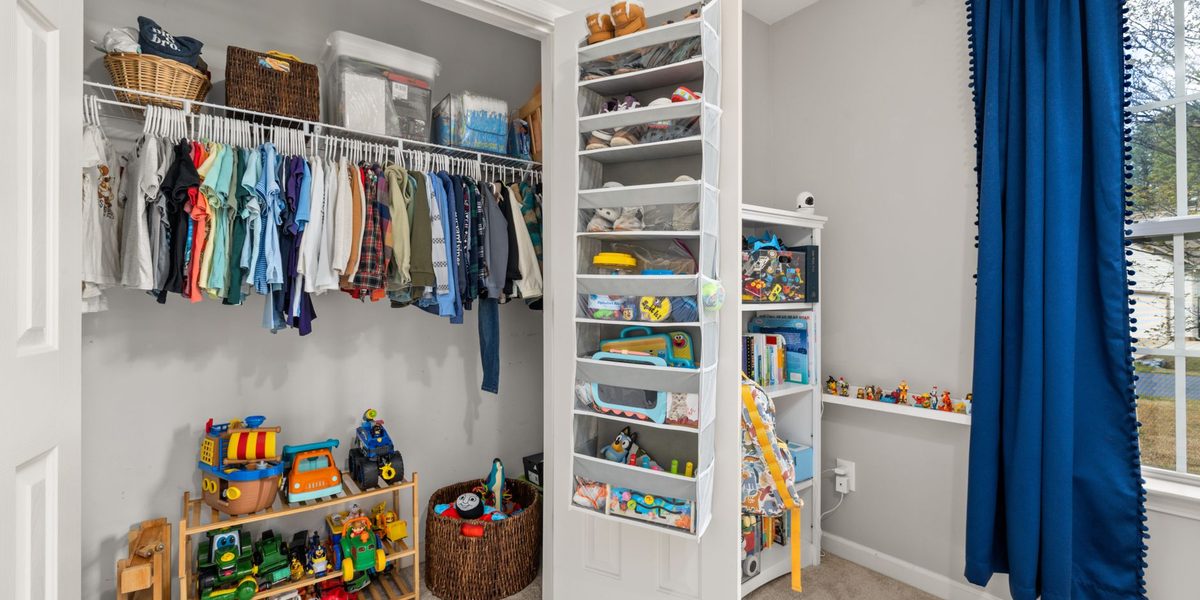
Then match the mechanism to small hands. Open bins beat lidded boxes, low hooks beat hangers, and big drawers beat fiddly latches, because every extra step between child and put-away cuts the odds it happens. A toddler can toss blocks into an open floor basket; nobody of any age enjoys re-stacking a tower of lidded tubs. The convenience gap between putting away and leaving out should be as close to zero as furniture allows.
Safety rides along with accessibility. Anchor every bookcase and dresser to the wall without exception, keep heavy items on low shelves, and choose bins light enough for the child to carry when full. A room a child can navigate independently is also a room where climbing to reach things never becomes necessary — which is precisely the point.
Corral the Toys With Categories a Kid Understands
Adults sort by taxonomy; kids sort by story. Skip the seventeen micro-categories and create a handful of broad, obvious groups — building things, pretend things, vehicles, art stuff, stuffed friends — each with one dedicated bin. Labels do the teaching: pictures for pre-readers, words and pictures together for new readers, so the system itself shows every household member and babysitter where things live.
- Cube shelving with pull-out fabric bins is the workhorse of toy storage at every age
- A big floor basket for stuffed animals accepts enthusiastic throws and still looks tidy
- Shallow under-bed bins hold puzzles, train tracks, and works-in-progress
- A small parts drawer unit keeps tiny treasures from becoming floor shrapnel
- One special shelf displays current favorites and creations like a tiny museum
Resist the temptation to buy storage first. Sort and purge with your child, count the categories that survive, and then buy exactly the bins the system needs — storage purchased before sorting almost always fits the store better than the room.
Rotate Toys to Shrink the Chaos
The most powerful toy organization idea does not organize toys at all — it removes most of them from circulation. Toy rotation stores the majority of the collection in labeled bins out of sight, leaving a curated fraction in the room at any time. Fewer available toys means faster cleanup, calmer play, and the repeated delight of reunion when a stored bin rotates back in feeling brand new.
Rotation is also the gentlest purge mechanism a family can run. Toys that draw no excitement across several rotations are ready to be passed along, a conversation children handle far better when the toy has already been out of sight for months. Keep a permanent donation basket in the closet, and make a habit of one-in-one-out around birthdays and holidays, when the incoming tide is strongest.
Make the Closet Work at Every Age
A standard closet is built for adult proportions, which is why a child's version needs remixing. Add a second, lower hanging rod so small clothes hang at small height, and dedicate the floor to labeled bins for shoes and dress-up gear. Drawer dividers turn a jumble of tiny socks and leggings into visible rows, and folding clothes upright in file fashion — rather than in stacks — lets a child see and grab an outfit without excavating.
Handle the size-change churn with two standing bins: one for outgrown clothes headed to donation or a younger cousin, one for the next size up waiting in the wings. A weekly ritual of dropping too-small items straight into the outgrown bin keeps the drawers honest year-round. For school-age kids, a five-slot hanging organizer loaded with a week of outfits on Sunday quietly ends the morning wardrobe standoff.
Seasonal swaps deserve their own hour twice a year: winter gear up high in summer, swimsuits stored in the cold months, and everything current at reachable height. Done with the child helping, the swap doubles as a natural purge point and a small ceremony marking that they have, once again, grown.
Build Zones That Grow Up With the Room
Rooms organize best around activity zones — sleep, play, reading, making — and the magic of zones is that they age gracefully. The toddler's floor-cushion book corner becomes the grade-schooler's beanbag reading nook and the teenager's chair-and-lamp retreat, all in the same footprint. The craft table becomes the homework desk; the toy shelf becomes the collection-and-trophy shelf; the stuffed animal basket eventually holds sports gear.
Buy the big pieces with that trajectory in mind. Full-height bookcases anchored to the wall serve picture books now and novels later; a simple desk suits crayons today and laptops tomorrow; neutral cube storage re-labels itself through a decade of changing contents. Save the trend commitment for bedding, art, and bin colors — the cheap-to-change layer — and the room can follow your child's taste without a furniture overhaul at every phase.
Teach the Habits That Keep It Working
No system survives without maintenance, and in a kid's room maintenance is a teachable skill, not a parental chore. Anchor it to a rhythm: a five-minute tidy before dinner or bath, with everything returning to its labeled home. Race a song, beat a timer, put away by color — gamified cleanup gets genuine cooperation from small kids, and the routine itself carries older ones once the fun wears off.
Match expectations to age: toddlers put bins on shelves, preschoolers sort into categories, school-age kids reset whole zones, and preteens manage their own laundry cycle and drawer order. Praise the state of the room, not just the effort, and involve kids in every reorganization so the system feels like theirs. A child who helped decide where the dinosaurs live defends that decision with surprising loyalty. When the system does break down — and every system does — resist the urge to rebuild it alone after bedtime. Resetting the room together, even imperfectly, teaches the recovery skill that matters far more than any single tidy evening.
Final Thoughts
A kids' room stays organized when the system respects its user: storage at their height, categories in their language, mechanisms their hands can operate, and routines their attention span can survive. Build with open bins and flexible furniture, run a rotation to keep volume sane, and let the zones mature as your child does. The reward is bigger than a tidy floor — it is a kid who grows up believing that order is something they can create themselves, five minutes at a time.