When a yard runs out of ground, the garden does not have to stop — it just has to change direction. Vertical gardening turns fences, walls, railings, and thin slices of side yard into growing space, often doubling or tripling what a small lot can produce. It is also simply beautiful: a wall of green softens hard surfaces, screens unlovely views, and gives even the tiniest outdoor space the lush, layered feeling of a much larger garden. Whether you want flowers, food, privacy, or all three, these vertical ideas will help your small yard grow up in the best possible way.
Start With the Structures You Already Have
Before building anything, look at the vertical surfaces your yard already offers. A wooden fence is prime real estate: hang rows of planter boxes from its rails, screw on pocket planters, or mount a simple grid of horizontal wires for climbers to weave through. Brick and stucco walls take masonry hooks that support hanging baskets and wall pots, while a garage or shed wall can host a full trellis panel that turns dead space into a living feature.
Railings on decks, balconies, and porches carry clip-on planters that add growing room without sacrificing a single square foot of floor. Even a downspout can become a feature with a climbing vine spiraling up beside it on a wire. The rule of thumb is sun first: track which surfaces get six or more hours for sun-loving plants, and reserve the shadier walls for ferns, ivies, and other shade-tolerant greenery.
Choose Climbers That Pull Their Weight
Climbing plants are the workhorses of vertical gardening, delivering huge coverage from a single planting hole. Annual vines sprint: morning glories, black-eyed Susan vine, sweet peas, and scarlet runner beans can curtain a trellis in one season and let you redesign every year. Perennial climbers build lasting structure — clematis for spectacular flowers, climbing roses for romance, honeysuckle for fragrance and hummingbirds, and hardy ivies or climbing hydrangea for handsome green walls in shade.
Match the plant's climbing style to the support you give it. Twiners like beans and honeysuckle need something slim to wrap around, such as wires, netting, or narrow slats. Tendril climbers like clematis and sweet peas want a fine grid to grip. Roses and other ramblers do not truly climb at all — they lean, and need tying in as they grow. Getting this pairing right is the difference between a lush screen and a vine sulking at the bottom of the wrong trellis.
Grow Dinner on a Fence
Vertical space is not just ornamental — it is some of the most productive food-growing territory a small yard has. Pole beans, snap peas, cucumbers, and small-fruited squash all climb willingly, saving ground space while keeping the harvest clean, visible, and easy to pick. Indeterminate tomatoes trained up strings or tall stakes produce generously in a narrow footprint, and even melons will climb with small slings supporting the fruit.
- An A-frame trellis over a pathway turns walking space into a bean tunnel
- Stacked or tiered planters grow a salad bar of lettuces in two square feet
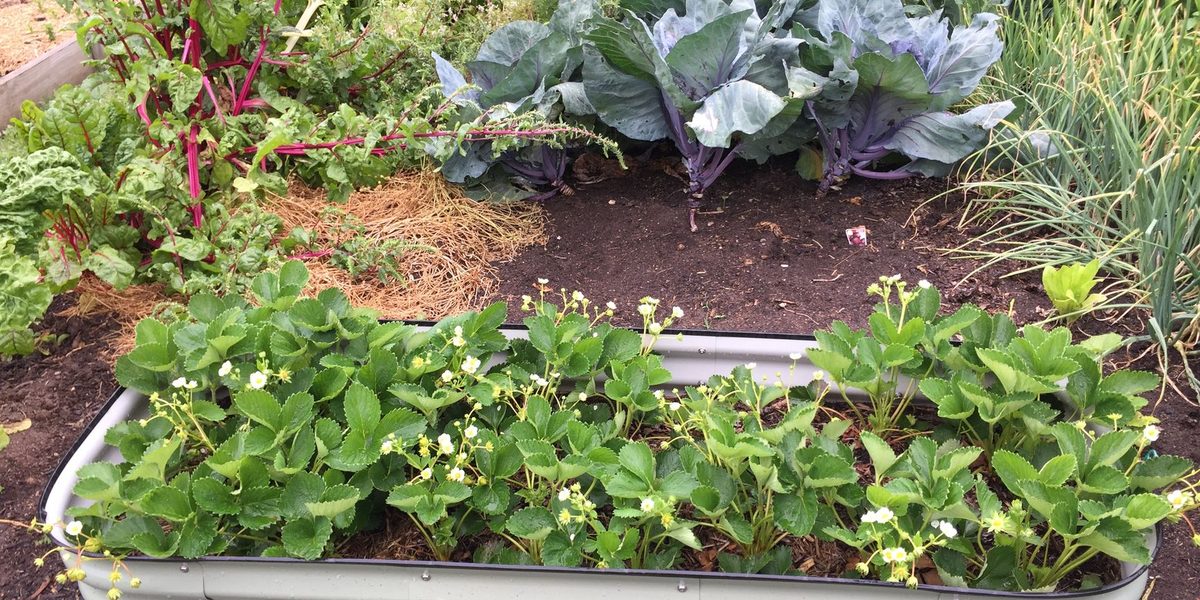
- Strawberries thrive in vertical towers, gutters mounted on a fence, and hanging baskets
- A pallet planter leaned against a sunny wall hosts a full herb collection
Edible vertical gardens dry out faster than beds, so plan for daily summer watering or run a simple drip line up the structure — a small investment that pays for itself in unstressed plants and steady harvests.
Vertical growing also improves plant health in ways ground beds cannot. Air circulates freely around climbing vines, which keeps foliage drier and dramatically reduces the mildew and rot problems that plague sprawling cucumbers and squash. Fruit hangs clean instead of sitting on soil, pests are easier to spot at eye level, and harvesting happens standing up — a kindness to knees and backs that gardeners of every age appreciate more each season.
Build a Living Wall, Big or Small
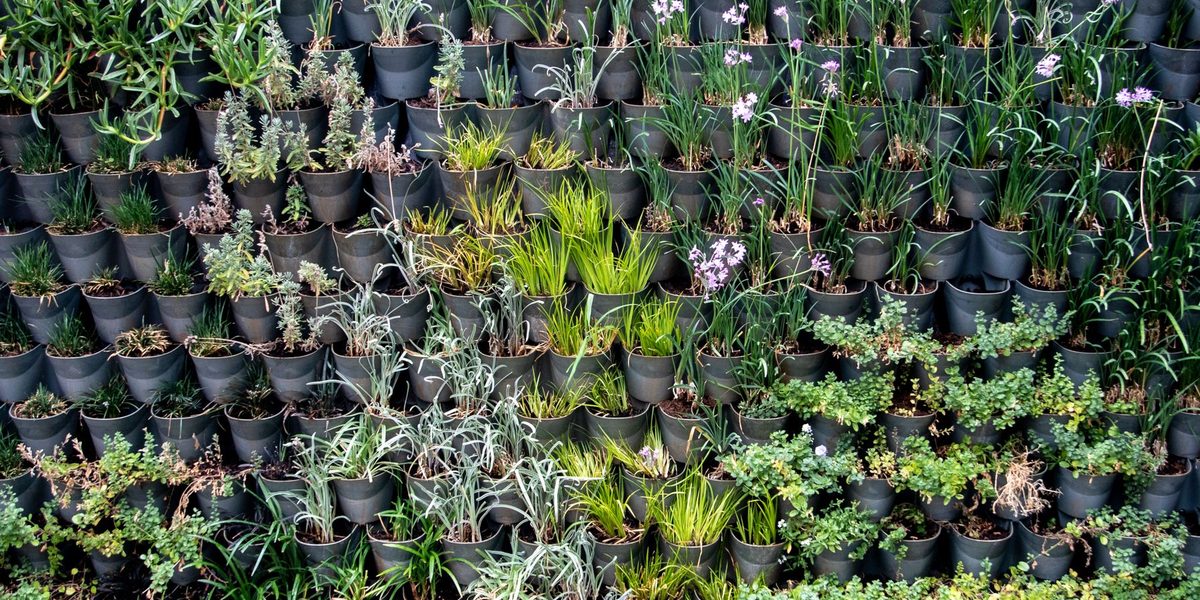
The living wall — a whole surface carpeted in plants — is vertical gardening's showpiece, and it scales to any ambition. The easiest entry point is a set of fabric pocket panels or modular plastic wall planters, filled with a mix of trailing and mounding plants: ferns, heucheras, sedums, ivies, and seasonal annuals for color. Hang panels where you can reach every pocket for watering, and start smaller than you think you want, because a two-panel wall that thrives beats a full wall that struggles.
Succulent walls suit hot, sunny exposures and forgiving waterers, planted in shallow frames of well-draining mix. In kitchens-adjacent spots, a wall of herbs and compact greens is as practical as it is pretty. Whatever the style, remember that a living wall is a container garden turned sideways: it needs quality potting mix, regular feeding, and more frequent watering than anything planted in the ground. Built-in drip irrigation moves a living wall from labor of love to low-maintenance feature.
Use Height to Create Privacy and Rooms
Vertical gardening solves the small yard's other great problem: feeling exposed. A trellis panel with an evergreen climber creates a green wall exactly where you need it — beside a patio table, around a hot tub, or between your seating area and the neighbor's kitchen window. Freestanding planter boxes with built-in trellises are movable privacy, letting you reposition your walls as the sun and seasons shift.
Think of these vertical elements as the walls of outdoor rooms. A screen of clumping bamboo in large containers reads modern and rustles pleasantly; a rose-covered arch marks the doorway between garden zones; tall ornamental grasses in a raised planter blur a property line more gracefully than any fence. In narrow side yards, wall-mounted greenery on both sides turns a forgotten corridor into a garden walk rather than a storage lane. Add a hanging lantern or two and the passage becomes a destination in its own right, somewhere to linger instead of hurry through.
Keep a Vertical Garden Thriving
Height changes a garden's care routine in predictable ways. Water travels down, so upper levels dry first — check them most often, and choose the most drought-tolerant plants for the top tiers. Wind is stronger above the fence line, so anchor tall structures firmly, secure young vines with soft ties, and favor flexible plants in exposed spots. Weight matters too: wet soil is heavy, so confirm that fences, walls, and railings can carry what you hang on them, and use proper anchors rather than hope.
Feed container-based vertical plantings regularly, since frequent watering washes nutrients through. Prune climbers with intention — annual vines can simply be cleared at season's end, while perennial climbers appreciate a yearly tidy to remove dead wood and keep growth where you want it. A few minutes of weekly grooming keeps a vertical garden looking like a design feature instead of an escape attempt.
Final Thoughts
A small yard measured in square feet can still be enormous measured in growing surface. Start with one fence panel, one trellis, or one set of railing planters, learn how water and sun behave in your vertical spaces, and expand from there. Climbing flowers, wall-grown salads, and leafy privacy screens all come from the same simple insight: when a garden cannot spread out, it can always reach up — and the view on the way is spectacular.