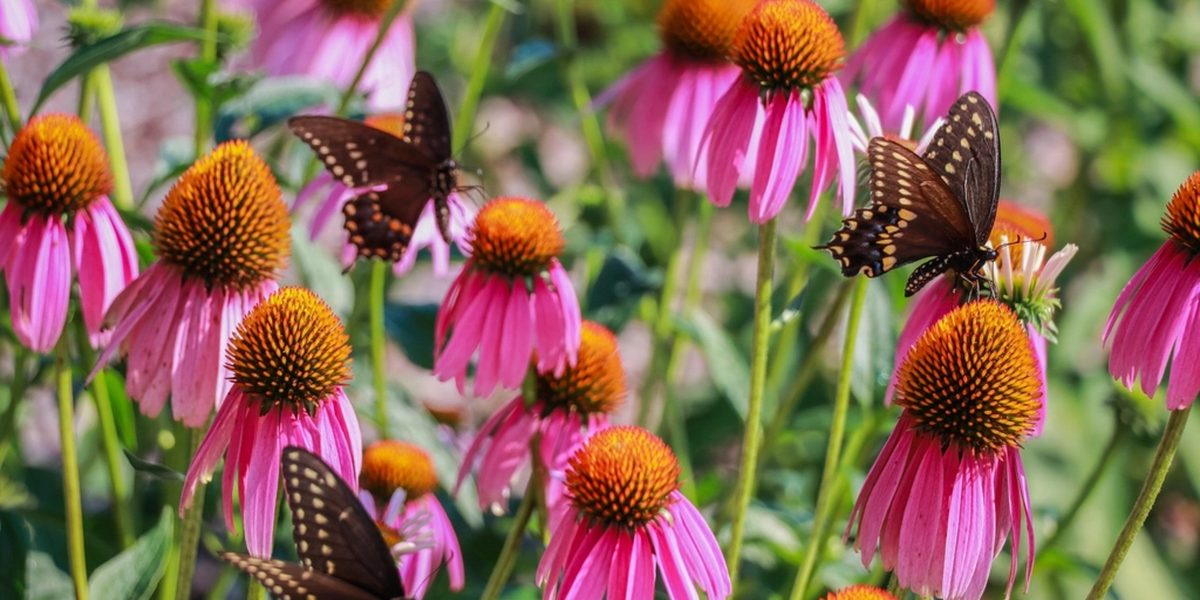
A garden buzzing with bees, flickering with butterflies, and visited by the occasional hummingbird is not just prettier than a silent one — it feels alive in a way no amount of hardscaping can match. Pollinator gardening is the happy overlap of beauty and purpose: the same flowers that delight you feed the small creatures that keep gardens, orchards, and wild places productive. Better still, it is one of the most forgiving styles of gardening there is, thriving on variety, tolerating imperfection, and rewarding even a single container of the right blooms. Here is how to turn any yard, bed, or balcony into a pollinator haven.
Understand What Pollinators Are Looking For
Every pollinator visit is a shopping trip for two things: nectar for energy and pollen for protein. Gardens win visitors by offering both, generously and reliably. Flower shape decides the clientele — flat, open blooms like daisies and coneflowers serve nearly everyone; tubular flowers like salvia and bee balm cater to hummingbirds and long-tongued bees; tiny clustered blooms like yarrow and sweet alyssum feed the small beneficial insects most gardeners never notice.
Two buying rules do most of the work. First, favor single-flowered varieties over frilly doubles, because those extravagant ruffled blooms often hide or eliminate the nectar and pollen that make a flower useful. Second, lean heavily on plants native to your region — local pollinators evolved alongside them, and a native flowering perennial routinely supports many times the insect life of an imported ornamental. A garden center's native section, or a regional native plant society list, is the best shortcut in all of pollinator gardening.
Color and fragrance are the garden's advertising. Bees see blues, purples, and yellows most vividly; butterflies flock to bright pinks, oranges, and reds; and many pollinators navigate by scent as much as sight, which is why old-fashioned fragrant varieties often outdraw modern scentless ones. A garden planted with this palette in mind ends up irresistible to visitors and, conveniently, gorgeous to its gardener.
Plant for Blooms From Thaw to Frost
The most common pollinator garden mistake is a spectacular June followed by famine. Pollinators need food across the entire growing season, so plan your plantings as a relay: early bloomers hand off to summer stars, which hand off to autumn finishers. Early crocus, lungwort, and flowering herbs feed the first hungry bees of spring; midsummer belongs to coneflowers, bee balm, lavender, and black-eyed Susans; asters and goldenrod carry the buffet deep into fall when little else is flowering.
- Spring: crocus, grape hyacinth, columbine, and flowering currant wake the season
- Early summer: salvia, catmint, penstemon, and yarrow build the crowd
- High summer: coneflower, bee balm, milkweed, and sunflowers feed the masses
- Fall: asters, goldenrod, and sedum sustain late fliers preparing for winter
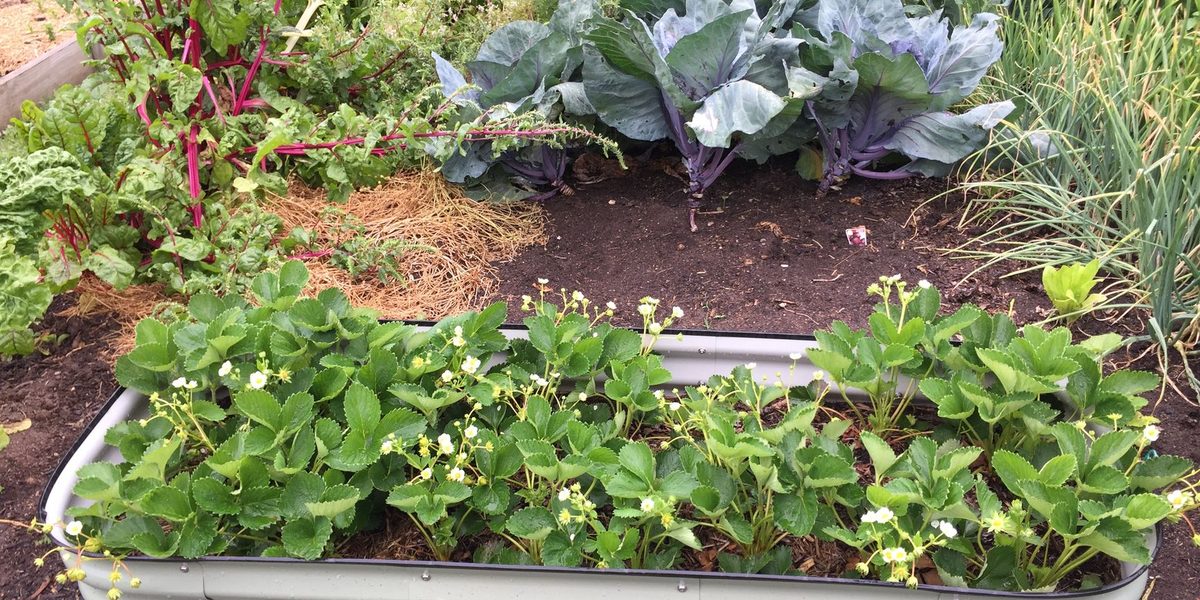
Herbs deserve special mention: letting basil, oregano, thyme, and mint flower at season's end turns the kitchen garden into a pollinator dessert bar, and a bolted cilantro plant will hum with tiny beneficial wasps for weeks. Even the vegetable patch joins the effort when squash blossoms and flowering beans feed the very bees that will set the harvest.
Design in Drifts, Not Polka Dots
Pollinators forage efficiently, and single scattered plants make them work too hard for too little. Plant in drifts — groups of three, five, or more of the same species — so a foraging bee can move flower to flower without long, energy-burning flights. Drifts also happen to be exactly how professional designers plant for visual impact, so the garden gets more beautiful and more useful in the same stroke.
Layer heights the way a meadow does: taller back-of-border plants like Joe Pye weed and sunflowers, mid-height workhorses like coneflowers and bee balm, and low edge-softeners like creeping thyme and alyssum. Aim for sunny placement, since most nectar plants and their visitors prefer six hours of light, and tuck the garden out of strong wind if you can — butterflies especially favor calm, warm pockets. No yard required, either: a cluster of containers with salvia, lantana, and trailing verbena on a sunny balcony is a legitimate pollinator station.
Add Water and Shelter, the Forgotten Half of Habitat
Flowers get the attention, but a true pollinator garden covers the rest of life's needs. Water is simplest: a shallow dish with pebbles breaking the surface gives bees and butterflies a safe landing to drink from — refresh it every few days. A patch of damp sand or soil doubles as a puddling station where butterflies gather minerals, which is why they crowd muddy spots after rain.
Shelter asks mostly for restraint. Leave some hollow stems standing through winter instead of cutting the garden to stubble, keep a small brush pile or an undisturbed corner of leaf litter, and preserve a patch of bare, unmulched ground — the nesting real estate for the many gentle ground-nesting bees. Even mowing less often, or leaving a strip of lawn to grow clover, measurably increases the life a yard supports. Tidy gardens are lovely; slightly untidy edges are habitat.
Roll Out the Welcome Mat for Butterflies and Hummingbirds
Butterflies need two menus: nectar plants for adults and host plants for caterpillars, and the second is the one gardeners forget. Milkweed for monarchs is the famous example, but dill, fennel, and parsley host swallowtails, and violets host fritillaries — expect chewed leaves on host plants and count them as success, since a butterfly garden that feeds no caterpillars is only a butterfly restaurant, not a nursery.
Hummingbirds, where your region hosts them, respond to a simple formula: tubular flowers, generous red and orange, and continuous bloom. Bee balm, salvia, trumpet honeysuckle on a fence, and fuchsia in a hanging basket will put them on patrol through your yard daily. Give them a high perch nearby — they survey their territory between feedings — and skip the pesticides entirely, because the tiny insects they also eat are part of their diet, and a sprayed garden goes silent in more ways than one.
Garden Gently and Let Nature Meet You Halfway
The final pollinator idea is a change of habits more than a purchase. Skip broad-spectrum insecticides, which cannot tell a pest from a pollinator, and tolerate modest imperfection — a few aphids feed the ladybugs that police the rest. Weed by hand near blooming plants, water at the base rather than overhead in the evening, and let a corner of the garden get a little wild.
Then watch what happens, because the response is fast. The first season brings noticeably more bees; by the second, butterflies are regulars and the bird population rises to enjoy the thriving insect life; by the third, the garden hums with a background of life most yards never know. Keep a chair nearby — a pollinator garden is entertainment, education for any children in the household, and quiet daily proof that a single yard can matter.
Final Thoughts
A pollinator garden asks so little and gives back on every level: more color, more motion, more birdsong, and the satisfaction of a yard that participates in the living world instead of just decorating it. Start with a drift of natives, stretch your blooms across the seasons, add a pebbled water dish and a slightly unkempt corner, and put away the sprays. The bees will find you astonishingly fast — and the garden will never feel silent again.