Almost everyone agrees they should probably drink more water, yet somehow the day slips by and the glass stays empty. The trouble is rarely a lack of knowledge — water is good for us, we get it — but a lack of easy, automatic habits. Willpower is a terrible hydration strategy. The better approach is to design your day so that drinking water happens almost by itself, the same way you brush your teeth without an inner debate. Here are plenty of friendly, low-effort ideas to help the water find you, rather than the other way around. As always, individual needs vary, and if you have questions about how much fluid is right for you, your doctor is the best person to ask.
Put Water Where Your Day Already Happens
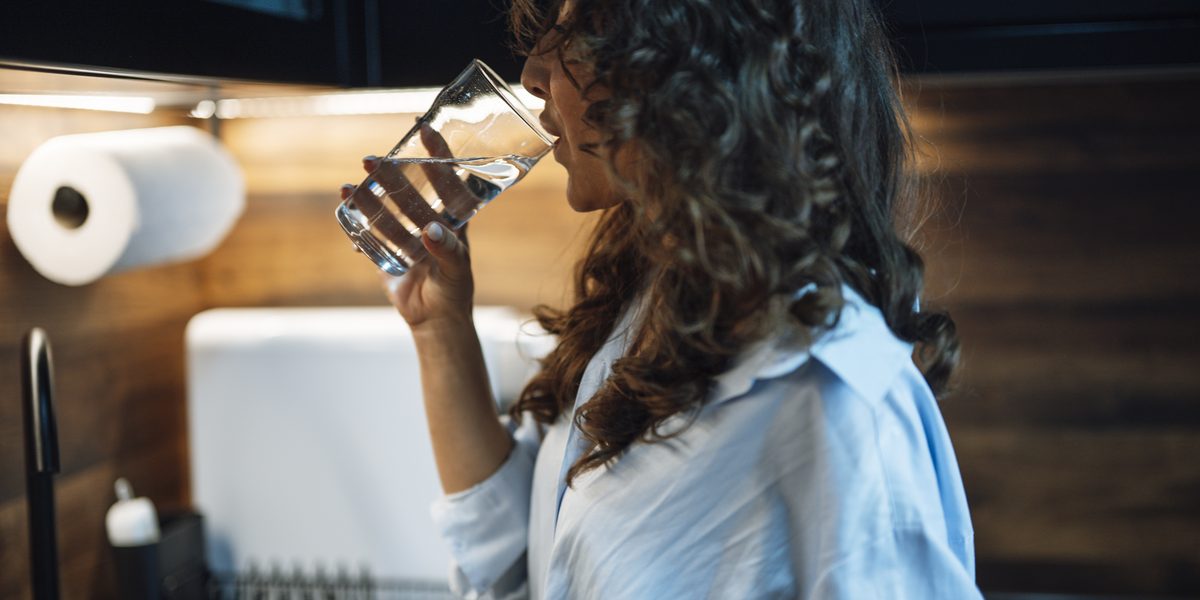
The single most effective hydration trick is embarrassingly simple: keep water within arm's reach at all times. We drink what is in front of us. A full glass on your desk gets sipped; a full pitcher in the fridge two rooms away does not. Walk through a typical day in your mind and place water at every station — a bottle on the desk, a glass by the reading chair, one at your bedside for the morning.
The morning spot deserves special attention. Many people enjoy drinking a glass of water first thing after waking, before coffee or breakfast, simply because it starts the day with an easy win. If the glass is already sitting there from the night before, the habit requires zero thought. By lunchtime you are a glass or two ahead of your usual pace, without having remembered anything at all.
Find a Bottle You Actually Like
It sounds trivial, but the right water bottle genuinely changes behavior. If your bottle leaks, tastes odd, or is a wrestling match to clean, you will quietly stop using it. Look for one that suits your real life: a straw lid if you like effortless sipping, a wide mouth if you add ice, an insulated body if you love cold water, a size that fits your bag and your car's cup holder.
Some people find they drink dramatically more from a straw; others prefer gulping from a wide rim. Some love a big bottle they fill once; others do better with a small glass they refill often, because each refill doubles as a movement break. There is no correct answer — only the version you will actually use. Treat it like finding a good pair of shoes: a little trial and error up front pays off every single day afterward.
Anchor Sips to Existing Habits
Habits stick best when they piggyback on things you already do without thinking. Pick a few daily anchors and attach a drink of water to each one. Good candidates include:
- Before every coffee or tea — a glass of water first makes the hot drink a small reward.
- Every time you sit down at your desk — arriving equals sipping.
- Before each meal — a natural pause that also helps you eat more slowly.
- After every bathroom break — refill the glass on your way back.
- Whenever you finish a phone call or meeting — hang up, drink up.
Choose two or three anchors rather than all of them; a short list you follow beats a long list you abandon. Within a couple of weeks, the pairing becomes automatic, and you will find yourself reaching for water with no conscious decision at all.
Make Water More Interesting
Plenty of people skip water simply because it bores them, and that is a solvable problem. A pitcher of infused water in the fridge turns hydration into something you look forward to. Try lemon and mint, cucumber and lime, orange slices with a few berries, or ginger with a splash of citrus. The flavors are subtle, the pitcher looks lovely, and reaching for it feels like a small luxury rather than a duty.
Temperature and fizz are other easy levers. Some people drink twice as much when the water is icy cold; others prefer room temperature or a warm mug of plain hot water in cooler months. Sparkling water, plain or with a squeeze of fruit, satisfies the craving for something festive without added sugar. Herbal teas count toward your fluids too, so a rotation of caffeine-free favorites can quietly boost your intake through the afternoon and evening.
Let Food Help You Hydrate
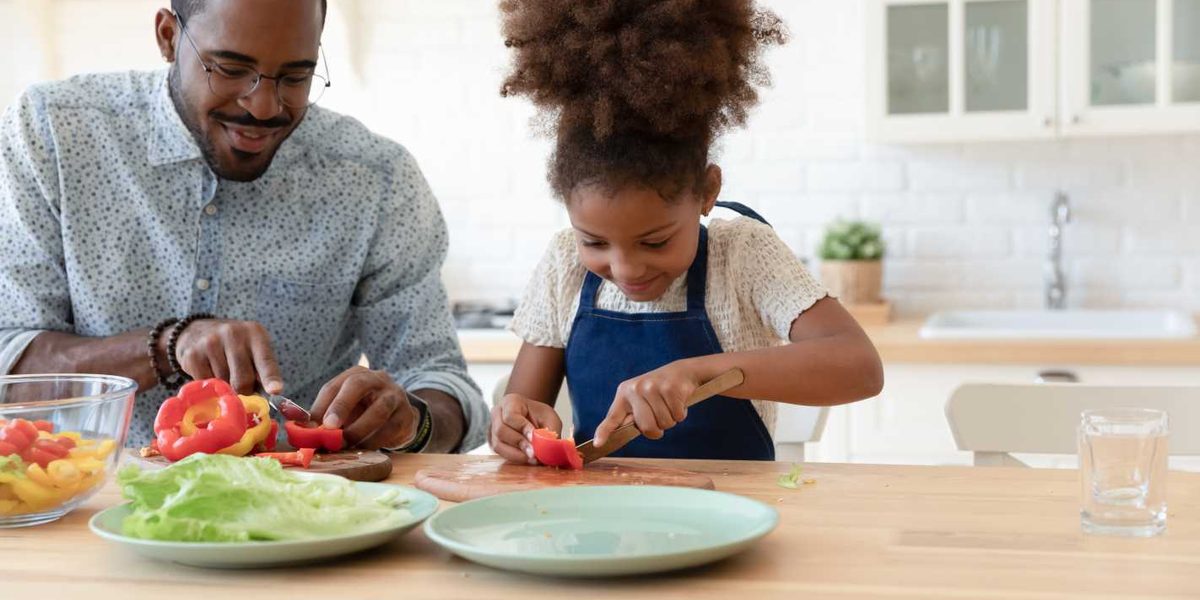
Hydration does not come only from the glass. Many everyday foods carry a surprising amount of water, and building them into meals and snacks supports your fluid intake while you eat. Water-rich options include melon, oranges, berries, cucumbers, tomatoes, lettuce, celery, and bell peppers. Soups and broths contribute as well, which is one reason a brothy lunch feels so refreshing.
This is welcome news for anyone who finds chugging plain water unpleasant. A fruit bowl on the counter, a side salad with dinner, or a handful of cucumber slices with your afternoon snack all nudge your hydration in the right direction. Think of food and drink as teammates: the glass does most of the work, and juicy foods pick up the slack.
Use Gentle Cues, Not Nagging Alarms
Reminders can help, but aggressive hourly alarms tend to get dismissed and then resented. Gentler cues work better over the long run. Visual tricks are especially effective: a clear bottle marked with simple time goals, a set of rubber bands moved from one side of the bottle to the other with each refill, or the plain sight of a full glass placed deliberately in your path.
You can also borrow cues from your surroundings. Refill your bottle every time you pass the kitchen. Keep a glass by the sink and drink whenever you wash your hands at home. If you like technology, a subtle midday check-in — am I halfway through what I hoped to drink? — is usually enough. Your own body offers cues too: noticing thirst, dry lips, or a dip in energy and treating them as a friendly tap on the shoulder builds awareness that outlasts any gadget.
Plan for the Moments You Usually Forget
Most hydration habits collapse in predictable places: busy mornings, errands, travel, and any stretch of deep focus. A little planning covers these gaps. Keep a spare bottle in the car or your bag, so leaving the house never means leaving your water behind. Before a long meeting or a stretch of focused work, fill your glass first — future you will drink whatever is within reach.
Hot days, workouts, and long walks deserve extra attention, since you lose more fluid than usual. Drink before you head out, carry water with you, and top up afterward. If you are ever unsure how your fluid needs interact with a medical condition or medication, that is a perfect question for your doctor or pharmacist rather than guesswork. A minute of planning in the morning — bottle filled, glass placed, pitcher chilled — quietly protects your hydration through the busiest stretches of the day.
Final Thoughts
Drinking more water is not about discipline; it is about design. Put water where your day happens, choose a bottle you love, anchor sips to habits you already have, and make the water itself something to enjoy. Pick just two ideas from this list and start today — the rest tend to follow naturally once the first ones take hold. Hydration, it turns out, is one of the easiest healthy habits to automate, and one of the most refreshing to get right.