Some of the most memorable bites you will ever taste come from flavors that have no business being together, at least on paper. Salt on caramel. Basil on strawberries. A whisper of heat in a chocolate dessert. These combinations sound like accidents, yet the moment you try them, something clicks. If your cooking has started to feel predictable, borrowing a few unexpected pairings is one of the fastest ways to shake things up without learning a single new technique. You do not need special equipment or hard-to-find ingredients, just a willingness to let two flavors surprise you. Here is a tour of contrasts worth exploring, why they tend to work, and simple ways to slide each one into meals you already make.
Why Opposites Attract on the Plate
Before diving into specific combinations, it helps to understand the simple logic behind them. Your palate gets bored quickly. When every bite of a dish tastes exactly the same, your attention drifts by the third forkful. Contrast is what keeps you interested. A salty edge makes sweetness taste sweeter by comparison. A bright, acidic note cuts through richness so a heavy dish never feels like a chore. A little heat wakes up flavors that might otherwise read as flat.
Think of it like music. A song played at one steady volume with one steady note would put you to sleep, no matter how pretty the note. Flavor works the same way. The pairings below all share a common thread: each half of the duo highlights something in the other that you would not notice on its own. That is the entire secret, and once you see it, you will start spotting pairing opportunities everywhere in your kitchen.
Sweet Meets Salty
This is the gateway pairing, the one most people already love without realizing it. Salt does something almost magical to sweet foods. It sharpens them, rounds out any cloying edge, and adds a savory depth that plain sugar can never deliver. If you have ever dipped a salty fry into a milkshake and felt strangely satisfied, you have experienced this firsthand.
- Sprinkle a tiny pinch of flaky salt over brownies, cookies, or caramel sauce just before serving.
- Add crumbled salty cheese to a slice of sweet melon or a handful of grapes for an instant snack plate.
- Stir a spoonful of honey into a salty peanut sauce for noodles and taste how the two push each other forward.
- Try a thin swipe of jam inside a grilled cheese sandwich, where the sweetness plays against the savory cheese.
The trick is restraint. You want the salt to be a spark, not a wave. Start with less than you think you need and build from there.
Fruit and Fresh Herbs
Most home cooks keep fruit in the dessert lane and herbs in the dinner lane, and the two rarely meet. That is a missed opportunity. Fresh herbs bring a green, aromatic lift that makes ripe fruit taste even more like itself. Strawberries with torn basil is the classic example, and it works because the herb adds a peppery, floral note that plain berries lack.
Once you try that combination, keep going. Mint turns a bowl of watermelon or pineapple into something that tastes like a vacation. Rosemary, used gently, gives roasted peaches or a simple citrus salad a woodsy backbone. Cilantro and mango are a natural match in a quick salsa spooned over grilled chicken or fish. Even thyme, which feels so firmly savory, is lovely scattered over baked apples or pears. The easiest entry point is a fruit salad: make your usual mix, then add one torn herb and notice how the whole bowl changes character.
Chocolate with a Kick of Spice
Chocolate is rich, deep, and a little mysterious on its own, but a touch of warmth turns it into something unforgettable. Cultures around the world have paired chocolate with chili and warm spices for a very long time, and the reason is simple: gentle heat amplifies chocolate's darker, roasted notes and keeps its sweetness from feeling heavy.
You do not need to make anything elaborate to test this. Add a small pinch of cinnamon and an even smaller pinch of cayenne to your next cup of hot cocoa. Stir a bit of chili powder into brownie batter or a chocolate sauce for ice cream. Dust chocolate truffles or a mug of coffee with a hint of ground ginger or cardamom. The heat should arrive late, as a soft glow at the end of the bite rather than a punch at the beginning. If anyone at the table asks what is different, you have done it exactly right.
Cheese and Fruit, Beyond the Party Platter
Cheese boards already taught us that grapes and cheddar get along, but the pairing goes much deeper than snack trays. The salty, tangy, sometimes funky character of cheese is a perfect foil for the bright sweetness of fruit, and you can build entire dishes around that tension.
- Fold diced pears or apples into a grilled cheese or quesadilla for a sweet crunch against melted cheese.
- Top a flatbread with soft cheese, thin slices of fig or peach, and a drizzle of honey, then bake until bubbly.
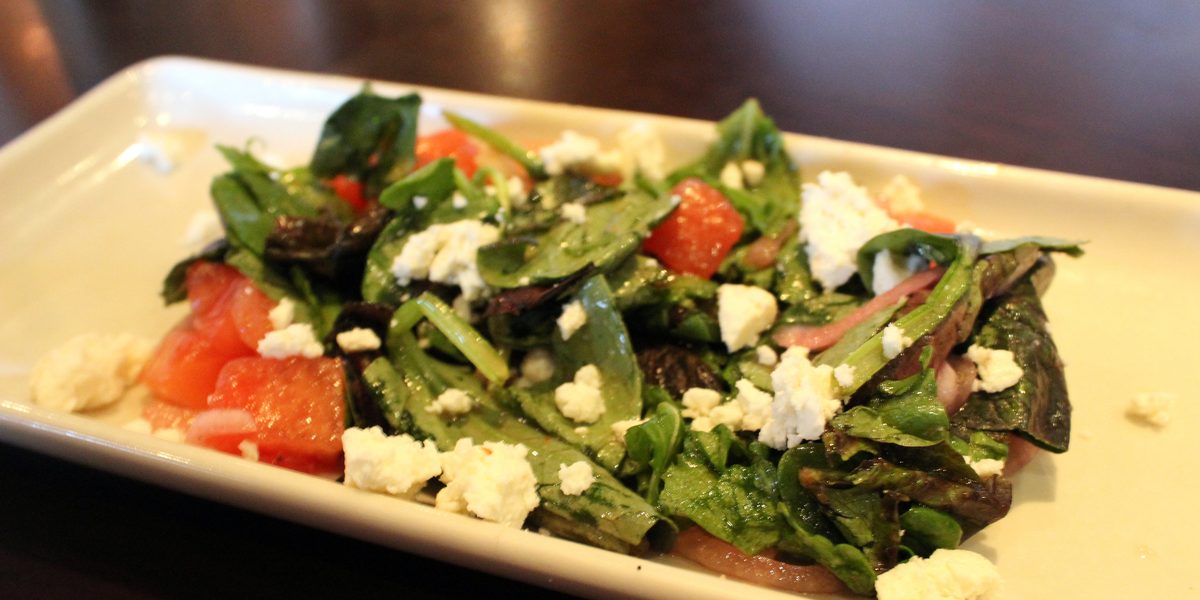
- Toss cubes of salty white cheese with watermelon, cucumber, and mint for a refreshing warm-weather salad.
- Serve a wedge of sharp cheese with a spoonful of cherry or apricot preserves instead of crackers alone.
A good rule of thumb: the sharper or saltier the cheese, the sweeter and juicier the fruit it can handle. Mild cheeses prefer subtle fruits, while bold blues can stand up to the sweetest jams.
Savory Dishes with a Secret Sweet Note
Flipping the direction of the sweet and salty pairing opens another world: savory meals with a quiet undercurrent of sweetness. This is one of the oldest tricks in home cooking, and it explains why a spoonful of something sweet shows up in so many beloved sauces and stews.
Try grating a little apple into a pot of curry or chili and watch the flavors deepen. Add a splash of orange juice to a pan sauce for chicken. Roast carrots, onions, or squash until their natural sugars caramelize, then pair them with something salty like olives or crispy bacon-style bits. Caramelized onions on a burger or in a savory tart are perhaps the ultimate example: pure vegetable sweetness playing against rich, salty toppings. The sweetness should never announce itself. It should simply make everyone reach for a second helping without knowing why.
Bright Acids Against Rich Comfort Food
Here is a pairing principle that professional cooks lean on constantly and home cooks often forget: rich food begs for something sharp. A squeeze of lemon over buttery pasta, a spoonful of pickled onions on creamy mac and cheese, a splash of vinegar stirred into a hearty bean stew right before serving. None of these additions taste sour in the finished dish. Instead, they lift everything, cutting through richness so the meal feels lively instead of sleepy.
Keep a small arsenal of bright ingredients within reach: citrus, any vinegar you enjoy, pickles, plain yogurt, or even a handful of chopped fresh tomatoes. When a dish tastes good but somehow flat, the answer is very often acid rather than more salt. Taste, add a small splash of something tangy, and taste again. The difference is usually immediate and a little bit thrilling.
How to Invent Your Own Pairings
Once you have tried a few of these combinations, you can start freelancing. The method is simple. Pick a flavor you love, then ask what would contrast with it. Something rich wants something sharp. Something sweet wants something salty or herbal. Something mild wants something bold. Test your idea in the smallest possible way first: one bite, one corner of the dish, one spoonful set aside. If the combination makes you pause and take a second taste, scale it up.
Keep notes, even casually, on your phone or a card taped inside a cabinet. The pairings that delight you become your personal signature, the little touches that make people say your cooking tastes different from everyone else's, in the best way.
Final Thoughts
Unexpected flavor pairings are not about being fancy or showing off. They are about keeping your own curiosity alive at the stove. Start with one idea from this list, maybe salt on your next batch of cookies or basil in your fruit bowl, and pay attention to what happens. Each small experiment teaches your palate something new, and before long you will be combining flavors on instinct. The dishes you already know how to make are just waiting for a spark. Go strike one.