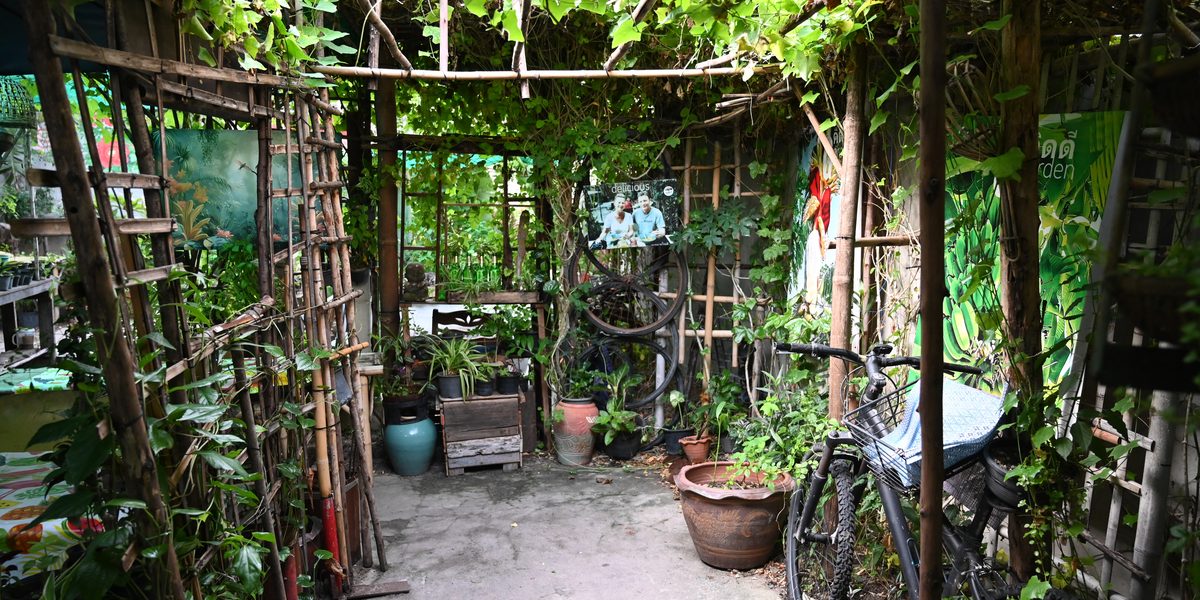
You do not need a backyard to have a garden. A sunny balcony, a small patio, or even a wide front step can hold an astonishing amount of green when you grow in containers. Pots let you control soil quality, chase the sun, and redesign your garden on a whim, which makes them perfect for renters, beginners, and anyone whose ambitions outpace their acreage. Whether you dream of tumbling flowers, fresh salad greens, or a fragrant little jungle to sip coffee in, these container garden ideas will help you turn the smallest corner into a thriving retreat.
Choose Containers With Personality and Purpose
The container itself is half the design. Terracotta brings classic warmth and breathes well, though it dries out quickly in summer heat. Glazed ceramic holds moisture longer and adds color, while lightweight resin and fabric grow bags are kind to balconies with weight limits. Whatever you choose, drainage holes are non-negotiable; roots sitting in water are the fastest way to lose a plant.
Think beyond the garden center, too. Vintage tins, wooden crates lined with landscape fabric, old colanders, and galvanized buckets all make charming planters once you drill drainage. Grouping mismatched vessels works best when they share one unifying trait, such as a common material, a similar color family, or a repeated plant. Odd-numbered clusters of three or five pots at varying heights almost always look better than a straight row of identical containers.
Size matters more than beginners expect. Small pots look sweet but dry out within hours on a hot day and cramp roots long before summer ends, so when in doubt, go a size up. A few large containers are easier to care for than a dozen tiny ones, hold moisture longer, and give plants room to reach their full potential. Elevating pots on feet or low stands improves drainage, protects patio surfaces from staining, and adds a subtle layer of height variation to the display.
Master the Thriller, Filler, Spiller Formula
Professional-looking mixed pots follow a simple recipe. The thriller is a tall, dramatic centerpiece, such as an ornamental grass, a dwarf canna, or a spiky dracaena. Fillers are mid-height mounding plants that surround it, like petunias, coleus, or compact marigolds. Spillers tumble over the rim to soften the edges, and trailing favorites include sweet potato vine, bacopa, creeping Jenny, and cascading lobelia.
Pick plants with matching needs so the whole pot thrives together: sun lovers with sun lovers, drought-tolerant with drought-tolerant. For a shaded balcony, build the same formula with ferns, heucheras, impatiens, and trailing ivy. One generously sized mixed container often makes a stronger statement than a scatter of small pots, and it dries out far more slowly.
Grow Dinner in a Pot
Containers are surprisingly productive kitchen gardens. Compact and dwarf varieties have been bred specifically for pots, so look for words like patio, bush, or baby on plant tags and seed packets. A five-gallon container supports a patio tomato or a pepper plant; a wide, shallow bowl grows a steady supply of lettuce and spinach; and a deep pot handles carrots or potatoes.
- Cherry tomatoes with a basil filler make a classic, delicious pairing
- Rainbow chard is pretty enough to star in a decorative planter
- Bush beans and compact zucchini thrive in large tubs on sunny patios
- Strawberries spill beautifully from hanging baskets and tiered planters
Vegetables in containers are hungry and thirsty, so feed them with a diluted liquid fertilizer every couple of weeks and check moisture daily in hot weather. Poke a finger an inch into the soil; if it is dry, it is time to water.
Herbs may be the most rewarding edible of all for container growers. Basil, chives, parsley, thyme, and oregano are content in modest pots, forgive occasional neglect, and pay rent every time you cook. Keep them within a few steps of the kitchen door if you can, because the closer the herbs, the more often they actually make it into dinner. Snip regularly from the top rather than pulling leaves from the bottom, and most herbs respond by growing back thicker and bushier than before.
Go Vertical When Floor Space Runs Out
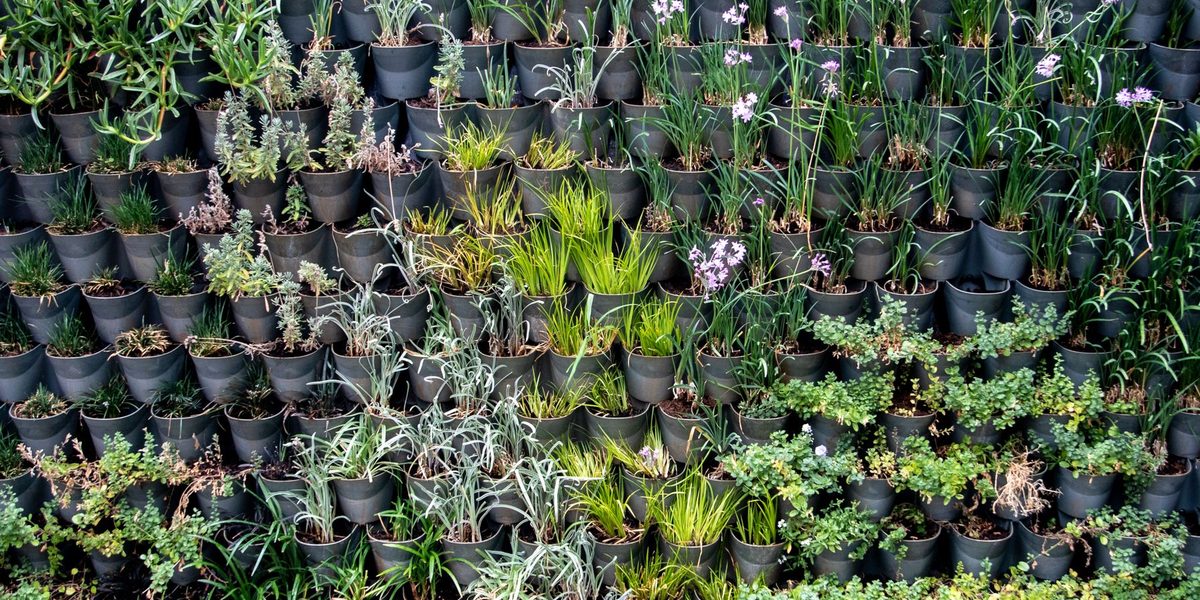
When the footprint is tiny, grow up instead of out. Railing planters put flowers and herbs at hand height without stealing floor space, while wall-mounted pocket panels turn a blank fence into a living tapestry of greens and trailing blooms. A simple wooden ladder shelf holds a whole nursery of pots in the space of a single chair.
Climbing plants offer vertical drama with minimal ground area. A pot with a small trellis supports morning glories, black-eyed Susan vine, snap peas, or compact cucumbers. Hanging baskets layer yet another level overhead, and a sturdy shepherd's hook lets you add them even where there is nothing to screw into. Just remember that height means wind exposure on balconies, so anchor tall pots and choose flexible, wind-tolerant plants for upper levels.
Design a Sensory Corner
A container garden should please more than the eyes. Cluster fragrant plants near your seating: lavender, scented geraniums, jasmine, and chocolate cosmos all release perfume where you can enjoy it. Herbs such as mint, rosemary, and lemon balm reward a passing brush of the hand with instant aroma, and they double as tea and cocktail ingredients.
Add sound and movement with ornamental grasses that rustle in the breeze, and invite hummingbirds and butterflies with tubular flowers like salvia and fuchsia. A tiny tabletop fountain or a shallow dish of water with pebbles for landing spots brings both gentle sound and grateful pollinators. With a string of solar lights woven through the pots, the corner earns its keep well after sunset.
Keep Containers Thriving All Season
Container plants live entirely on what you give them, since their roots cannot roam for water or nutrients. Use a quality potting mix rather than garden soil, which compacts in pots and drowns roots. Water deeply until it runs from the drainage holes, then let the top inch dry before watering again. In peak summer, daily watering is normal for small pots, and self-watering containers or simple drip stakes can carry you through vacations.
Deadhead spent flowers weekly to keep blooms coming, and trim leggy fillers by a third in midsummer to trigger fresh, bushy growth. If a plant fades beyond rescue, pop it out and slot in a replacement; ruthless editing is one of the great luxuries of container gardening. When seasons change, swap summer annuals for pansies, ornamental kale, and small evergreens so the display never goes dark.
Watch for the small warning signs that tell you a pot needs attention before trouble spreads. Yellowing lower leaves usually point to overwatering or hungry roots, while crispy edges suggest the pot is drying out between drinks. Roots circling out of the drainage holes mean it is time to move up a container size. A monthly once-over — checking leaves, refreshing mulch on the soil surface, and turning pots so all sides get light — takes minutes and keeps the whole collection looking nursery-fresh.
Final Thoughts
Container gardening proves that space is no barrier to growing something beautiful. Start with one generous pot and the thriller, filler, spiller formula, then let success pull you toward herbs, vegetables, and vertical layers. Because everything lives in movable vessels, you can experiment endlessly, rearranging and replanting until the scene feels right. Before long, that tiny balcony or bare patio corner will be the greenest, most-loved spot in your home.