A small bedroom can feel like a design problem, but it is really a design opportunity in disguise. Cozy rooms force clarity: every piece has to earn its place, every surface has to work, and the result — when you get it right — is a space that feels calmer and more intentional than many sprawling suites. Whether you are working with a compact city bedroom, a snug guest room, or an attic hideaway with sloped ceilings, these ideas will help you squeeze comfort, storage, and real style out of every square foot.
Get the Bed Placement Right First
The bed is the biggest object in the room, so its position decides everything else. In most small rooms, centering the headboard on the wall opposite the door creates the best balance and leaves walkways on both sides. If the room is truly tight, pushing one side of the bed against a wall frees up meaningful floor space — a daybed arrangement with a row of cushions along the wall makes this feel intentional rather than cramped.
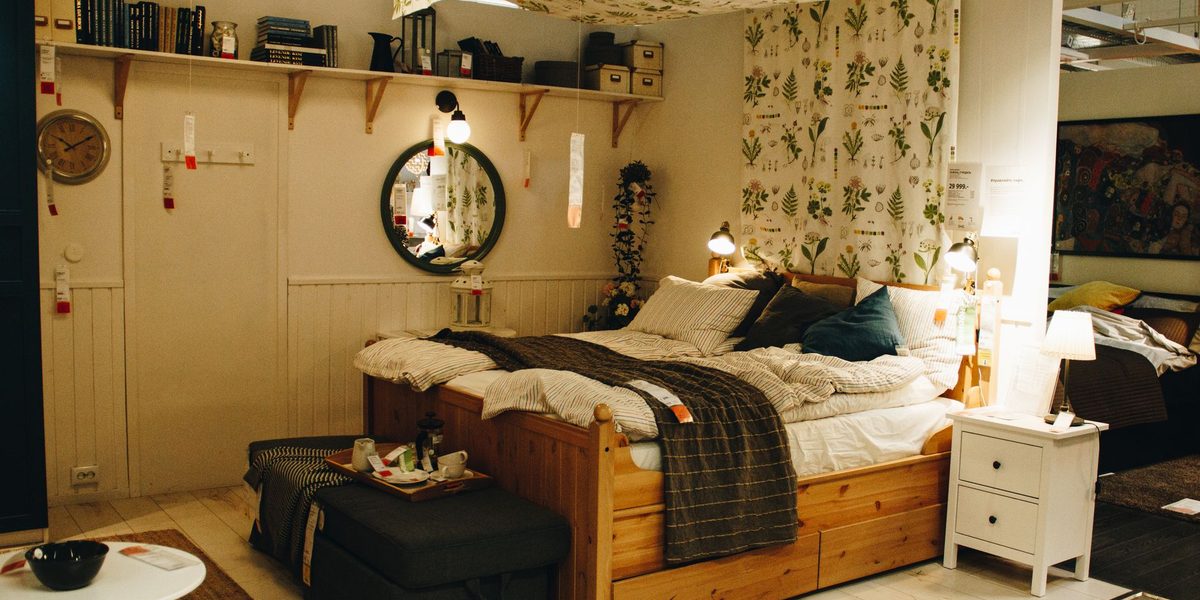
Consider the bed itself, too. A bed frame with built-in drawers replaces an entire dresser, and a lofted or raised frame creates a storage zone or even a small desk area beneath. Skip the bulky footboard, which eats visual space, and choose a headboard with presence but no depth, such as an upholstered panel or a painted arch directly on the wall behind the bed, which costs almost nothing and adds instant character.
Think Vertical: Walls Are Free Real Estate
When the floor runs out, the walls are just getting started. Mount shelves above the headboard, over the door, and in the dead space above a dresser to hold books, baskets, and decor without touching the floor. A single picture ledge running the length of one wall displays art, plants, and framed photos while taking up only a few inches of depth.
Swap bedside tables for wall-mounted shelves or small floating nightstands, and trade table lamps for plug-in wall sconces or swing-arm lights, which free the surface below for the things you actually reach for at night. Hooks deserve special mention: a short row inside the closet, behind the door, or beside the dresser handles robes, bags, and tomorrow's outfit, keeping them off the chair that every bedroom seems to sacrifice to clothing pileup.
Sloped ceilings and awkward alcoves, common in attic bedrooms, are storage gifts in disguise. Low bookcases tuck neatly under the slope where standing furniture cannot go, and the knee-wall zone suits baskets, shoe storage, or a low bench. In any bedroom, taking one storage piece all the way to the ceiling — a tall narrow shelf tower rather than a squat wide one — stores more while occupying less floor, and it draws the eye upward, which makes the room feel taller.
Choose Colors and Light That Expand the Room
Light, low-contrast color schemes visually push walls outward. Soft whites, pale greige, muted sage, and dusty blush all reflect light and blur the room's boundaries, especially when trim and walls are painted the same shade. If you crave depth, go the other direction deliberately: a dark, enveloping color on all four walls turns smallness into intimacy, which works beautifully in bedrooms because coziness is the point.
Whatever the palette, multiply your light. Hang the largest mirror the room can take — leaned against a wall, mounted above the dresser, or hung opposite the window to bounce daylight around. Layer at least two light sources beyond the ceiling fixture, using warm bulbs, and keep window treatments light and hung high and wide so the window reads larger than it is. A room that glows in the evening always feels more spacious than one lit by a single overhead bulb.
Make Every Piece Do Two Jobs
Multifunctional furniture is the small-room superpower. Before any piece earns entry, ask what else it can do besides its obvious job.
- A storage bench at the foot of the bed holds spare bedding and doubles as seating
- A slim desk works as both workspace and vanity with a mirror above it
- An upholstered storage ottoman serves as nightstand overflow, footrest, and hidden bin
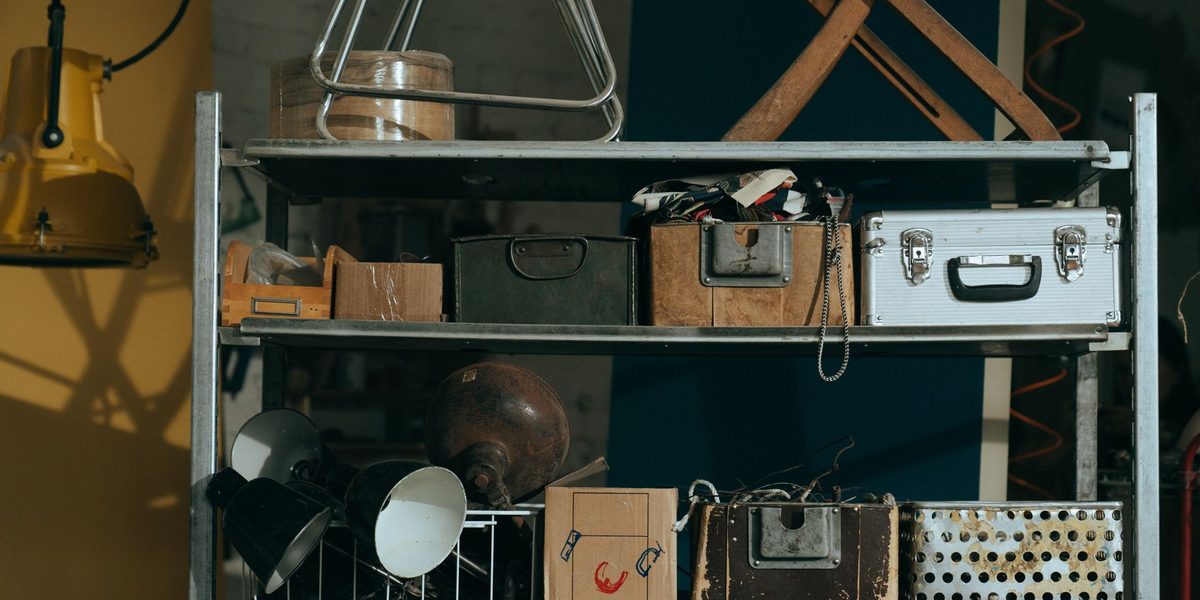
- A trunk or vintage suitcase stack becomes a side table with deep storage inside
- A ladder leaned against the wall corrals throws and tomorrow's clothes with charm
Under-bed space is the biggest hidden closet in the room. Low rolling bins or zippered fabric cases keep off-season clothing and extra linens dust-free and out of sight; bed risers can add inches of clearance if you need more depth.
Scale is the quiet secret of multifunctional furnishing. Pieces raised on visible legs let light flow underneath and feel airier than boxy styles that sit flush to the floor, and glass or acrylic surfaces nearly disappear. Choose a nightstand no deeper than the reach of your arm from bed, and a dresser that clears the door swing with room to spare. Furniture that fits the room's proportions always beats squeezing in one more full-size piece.
Streamline the Closet and Edit Ruthlessly
In a small bedroom, clutter is not just untidy — it physically shrinks the room. Start with a genuine edit: clothes that no longer fit your body or your life, single socks, and the exercise gear that lives on the chair all need to find new homes. Every item you remove returns space to the room, and small rooms repay decluttering more visibly than any other space in the house.
Then make the closet work harder. Slim matching hangers can add a surprising amount of rod space, a second hanging bar doubles capacity for shirts and folded-length items, and door-mounted organizers swallow shoes, scarves, and accessories. If the room lacks a closet altogether, a simple garment rack styled with your best pieces plus a curtained alcove for the rest keeps things honest without visual chaos.
Nightstand surfaces need the same discipline. Give each bedside spot a strict roster — lamp, current book, water glass, and perhaps one small personal object — and move everything else into a drawer or a small caddy mounted to the bed frame. Waking up to clear surfaces genuinely changes how a small room feels first thing in the morning.
Add Personality Without Adding Clutter
Small rooms still deserve big style; the trick is concentrating personality in a few high-impact moments rather than scattering trinkets everywhere. One oversized piece of art above the bed makes a stronger statement than a dozen small frames. A patterned rug, a boldly colored headboard, or wallpaper on a single wall gives the room a point of view while surfaces stay clear.
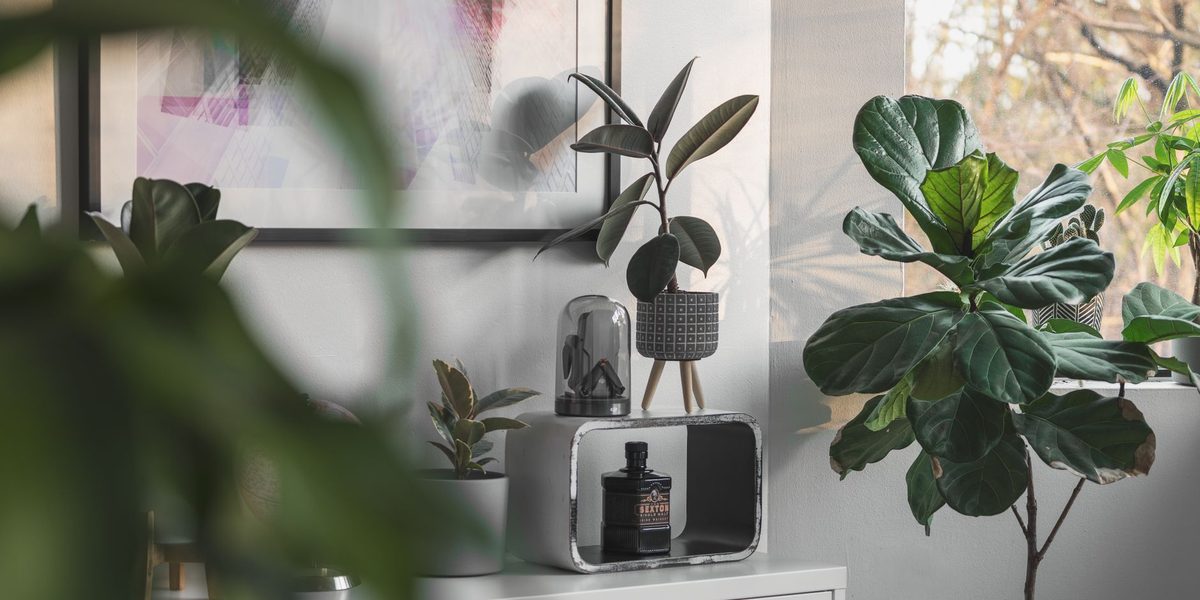
Layer texture instead of stuff: a chunky knit throw, linen bedding, a sheepskin draped over the chair, and a woven shade add richness that takes up no extra space. Finish with one or two plants — a trailing pothos on a shelf or snake plant in the corner — and the room feels alive, not crowded. When each object is chosen, the whole room reads as curated rather than cramped.
Final Thoughts
A small bedroom rewards every smart decision you make in it. Anchor the bed thoughtfully, climb the walls with storage, keep the palette light or go boldly cozy, and insist that every piece of furniture multitask. Most of all, edit relentlessly, because emptiness is a feature in a compact room, not a flaw. Square footage is fixed, but how a room feels is entirely up to you — and a well-planned small bedroom can feel like the most restful room in the house.